Monday.com Trust Center showcases security careers behind enterprise trust
monday.com’s trust pages reveal the real careers behind enterprise sales: security, compliance and AI trust jobs are becoming core product work.

monday.com’s Trust Center reads like a hiring map as much as a compliance page. The company’s public security and privacy materials point to the invisible labor that keeps enterprise buyers comfortable: policy work, access control, cloud security, and the evidence trail that turns controls into proof.
Trust pages that map the work
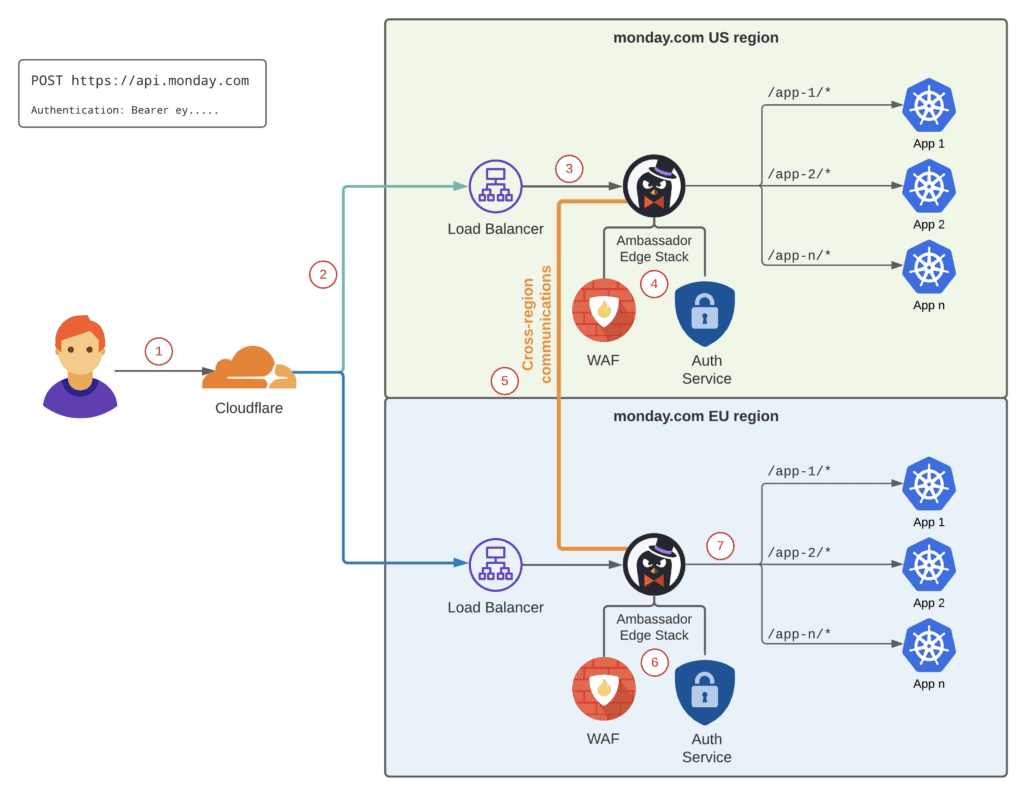
monday.com organizes its trust materials around security policies, privacy, data security, DORA, ISO certifications, HIPAA, SAML single sign-on, roles and permissions, user authentication, and data storage. Those are not decorative labels. They are the practical checkpoints that procurement teams, IT administrators, legal departments, and security reviewers use before a platform can spread through a large customer account.
The company’s Security Compliance Hub says it secures information for more than 245,000 customers worldwide with “absolute transparency and 24/7 support.” Its investor relations materials put the user base at over 250,000 customers worldwide, which makes the scale even clearer: trust is not a side page for a small niche, it is part of how monday.com sells a broad platform. The Trust Center also includes materials for frameworks, standards, and certifications, which is the language enterprise customers expect when they ask how a SaaS vendor handles risk.
Scale turns trust into a revenue issue
monday.com’s 2024 annual report gives a sense of why these jobs matter inside the company. Revenue reached $972 million, up 33% year over year, while net dollar retention came in at 112% and gross margin at 89%. Those are the kinds of numbers that make security and compliance more than a back-office function. At that scale, a failed review from a large customer can slow expansion, while a clean security story can keep deals moving.
The company’s own hiring materials sharpen that point. A Senior DevSecOps Engineer posting in Warsaw says monday.com has over $1B in ARR, 250,000+ customers, and a global team. That is a useful window into how the business sees itself: not as a tool maker with one security team tucked away in a corner, but as a public company whose growth depends on keeping enterprise buyers confident in the platform’s controls.
The jobs are hybrid by design
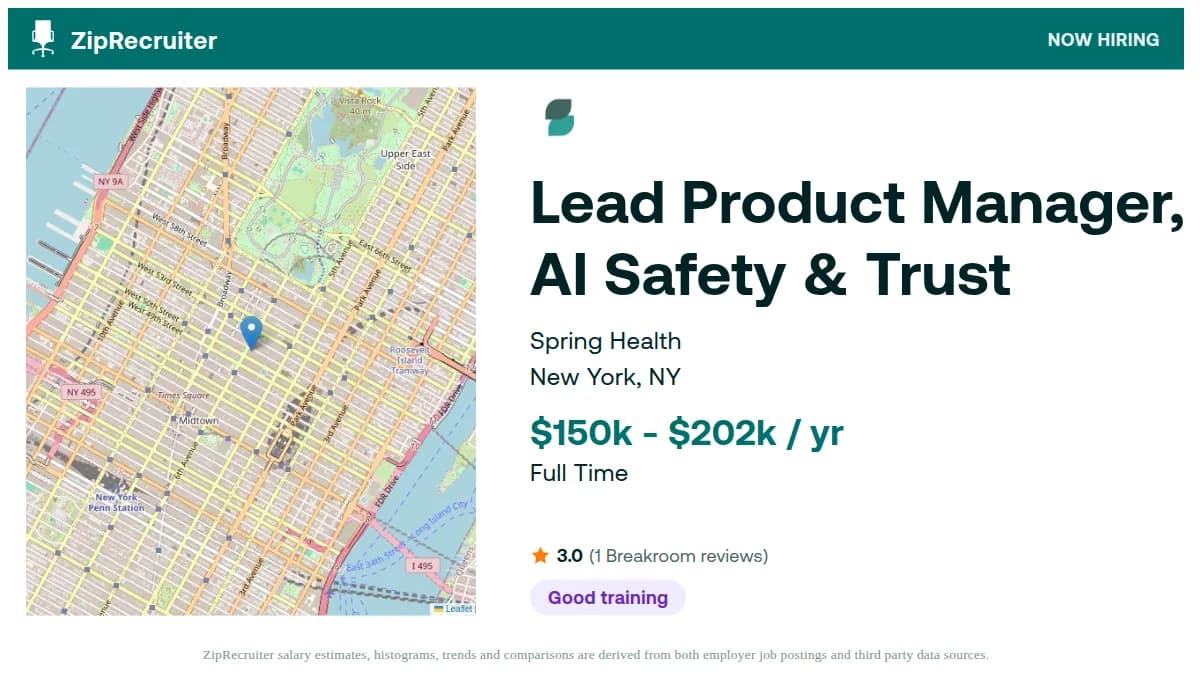
The roles monday.com has listed show that trust work is converging into hybrid jobs that blend engineering, governance, and communication. Public postings have included Security GRC Specialist, Application Security Team Lead, Senior DevSecOps Engineer, IT Infra & Cloud Engineer, Lead AI Product Manager - AI Trust, Senior Cybersecurity Assurance Specialist, and Senior GRC Trust Specialist. The spread matters because it shows the company is staffing trust across compliance, infrastructure, application security, and product management, not treating it as one isolated discipline.
A few of those titles tell the story plainly:
- Security GRC and cybersecurity assurance roles point to policy, audit readiness, evidence collection, and control mapping.
- Application Security and DevSecOps roles point to secure development pipelines, infrastructure hygiene, and fast feedback between engineers and security specialists.
- Cloud engineering roles point to the systems that support access control, data storage, and service reliability.
- AI Trust product management points to a newer layer, where the product itself has to carry responsibility for how AI features behave.
The geographic spread matters too. monday.com has publicly surfaced trust-related hiring in Tel Aviv and Warsaw, which shows the work is distributed across its global organization rather than locked in one office. For a company that operates with a global team, that kind of hiring pattern is a signal that trust is becoming embedded in multiple engineering and operational centers.
AI trust is moving from theory to job description
monday.com describes itself in investor materials as an AI work platform used by over 250,000 customers worldwide to bring people, workflows, and AI agents together on one flexible platform. That framing helps explain why a role like Lead AI Product Manager - AI Trust shows up alongside more traditional security and compliance jobs. Once AI becomes part of the product promise, trust work has to move closer to the roadmap.
The company’s newer AI branding, including AI agents, monday sidekick, and monday vibe, makes that shift more visible. Security is no longer just about preventing breaches or passing audits. It also has to answer the questions enterprise customers now ask about AI behavior, data handling, permissions, and whether a feature is safe enough for widespread internal use. In a platform business, those questions shape adoption just as much as feature design does.
What this means for people inside monday.com
For engineers, the message is straightforward: secure-by-default design is part of shipping product at monday.com, not a downstream cleanup job. Roles tied to DevSecOps, application security, cloud infrastructure, and user authentication suggest that product teams have to build with controls in mind from the start. That is especially true when the company is pushing AI features into workflows that customers rely on every day.
For product managers and sales teams, the trust stack becomes part of the conversation with enterprise buyers. DORA, HIPAA, ISO certifications, SAML single sign-on, roles and permissions, and data storage are the kind of topics that determine whether a deal expands, stalls, or gets blocked in review. monday.com’s Trust Center shows that trust has become a product surface as visible as automation, dashboards, or AI features, and the people who can translate that surface into workable controls are now central to the company’s growth.
This article was produced by Prism’s automated news system from verified source data, official records, and press releases, then run through automated quality and moderation checks before publishing. The system is built and supervised by the people who set the standards it runs under. Read our full AI policy.
Did this article answer your question?