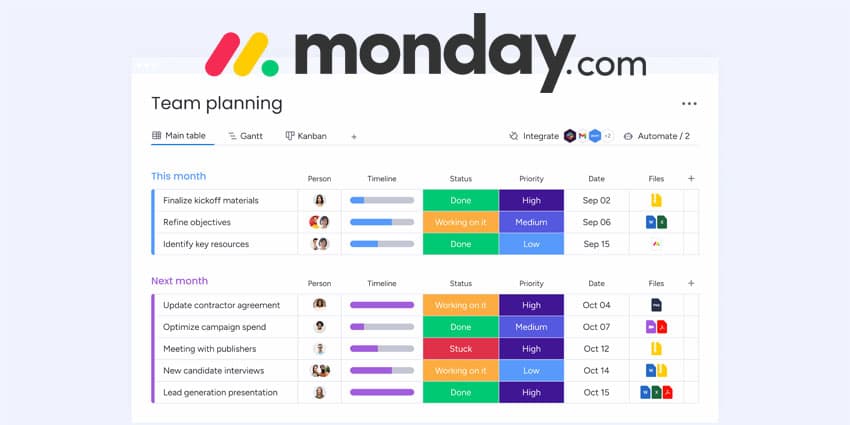
Monday.com guide shows order tracking as a real-time operations hub
Order tracking stops being a shipping feature when it gives every team one live view of customers, inventory, and delays.
The real problem is visibility
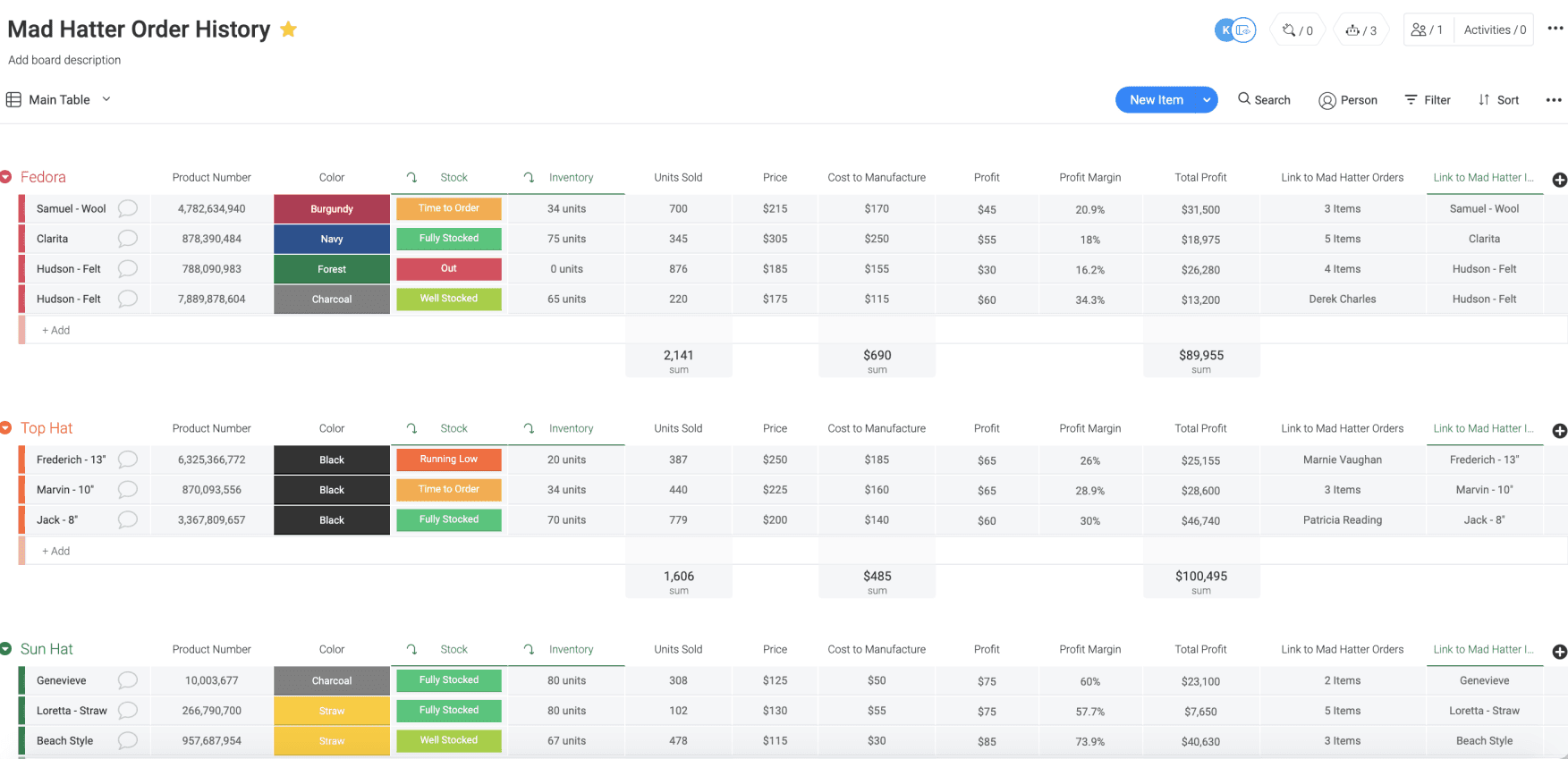
The first support ticket is usually the warning sign. A customer asks where an order is, and suddenly support is checking payments, ops is checking fulfillment, sales is checking promises, and nobody has the same answer at the same time. monday.com’s guide treats that moment as a visibility problem, not a shipping problem, and that framing matters because it turns order tracking into a shared operating system for the business.

That is the useful lens for anyone building, selling, or supporting the platform. When order status lives in separate tools, small delays can cascade into customer anxiety, duplicated work, and internal blame loops. When those moving parts sit inside one reliable workflow, teams can respond before the customer has to ask, which is a much better measure of operational maturity than a shipment number alone.
Why order tracking becomes strategic
The guide is explicit that good order tracking software does more than display a status page. It keeps customers informed automatically, gives teams real-time visibility, and prevents small delays from becoming costly support issues. That is the difference between a narrow logistics tool and a coordination layer that reaches across sales, operations, fulfillment, and customer communication.
For a company like monday.com, that distinction is the whole pitch. Work management becomes more valuable when it connects the people who promise the order, the people who move it, and the people who explain it. The software is no longer just recording what happened after the fact. It is creating a single workflow that reduces surprises while the order is still in motion.
This is also why the guide pushes beyond raw order volume. High order counts matter, but they are not the full story. The harder problems show up when a company is selling across multiple channels, splitting shipments, handling returns, and managing handoffs as the business scales. Those are coordination failures as much as logistics failures, and they are the kind of failures that cost time on both the customer side and the internal side.
What the monday.com framing says about the platform
monday.com has been leaning hard into the idea that it is not just a system for tasks, but a platform for orchestrating cross-functional work. In early May 2026, the company said more than 250,000 customers worldwide use monday.com to bring people, workflows, and AI agents together on one flexible platform. That scale matters because it explains why a seemingly modest use case like order tracking gets treated as a strategic entry point.
The company’s financial milestones reinforce the same point. monday.com said it reached $1 billion in annual recurring revenue in 2024, roughly a decade after launching Work OS. In its fourth-quarter and fiscal 2024 results, it reported revenue of $268.0 million for the quarter, up 32% year over year, and net dollar retention of 112%. Those numbers suggest a business that is not just adding customers, but keeping them engaged enough that the platform becomes embedded in day-to-day operations.
For people inside monday.com, that is the real lesson. A workflow that starts as order tracking can turn into a platform sale when it is framed as coordination across departments. Sales teams care because the promise they make has to match the reality fulfillment can deliver. Product teams care because integrations and data models determine whether that handoff is clean. Engineering cares because automation is only useful if the underlying system can move information accurately and in real time.
How the warehousing and inventory angle expands the use case
monday.com’s warehousing and inventory materials push this idea even further. The company describes order management as managing bulk and high-volume orders from intake to delivery, while using automation and real-time visibility across sales, inventory, and logistics management. That is a more expansive product story than simple tracking, because it places order flow inside the same operational fabric as stock, fulfillment, and customer-facing updates.
That matters for teams selling into operations-heavy businesses. A warehouse does not experience order tracking as a single dashboard problem. It experiences it as a chain of dependencies, where inventory accuracy affects fulfillment speed, fulfillment speed affects customer trust, and customer trust affects support load and future revenue. When monday.com presents the workflow that way, it is speaking directly to the pain points that make operations teams look for software in the first place.
There is also a practical SaaS lesson here. The strongest workflows are not the flashiest ones. They are the ones that quietly remove coordination overhead. If the same platform can centralize intake, automate handoffs, and keep every team looking at the same live record, then order tracking stops being a feature and becomes part of the company’s operating rhythm.
Where AI changes the workflow
The 2025 AI message from monday.com pushes the story into a more ambitious place. The company says its goal is not just to help users manage work, but to do the work for them, including AI agents that can operate directly within the platform. For order tracking, that is not a gimmick. It points to practical uses like intelligent routing, proactive delay detection, and predictive insights.
That changes the support burden in a meaningful way. Instead of waiting for a customer to report a problem, AI can help flag a delay before it turns into a ticket. Instead of leaving a manager to chase updates across systems, automation can route the issue to the right person or team. Instead of treating exceptions as one-off manual tasks, the platform can learn patterns and surface the most likely next step.
For monday.com, this is where the product story gets sharper. The company is not only selling visibility, it is selling orchestration. That is a more valuable promise in a market where every team is under pressure to move faster with fewer handoffs. It also fits the broader identity of Work OS, where the point is not to isolate one department’s workflow, but to connect the entire chain of work around a shared source of truth.
What matters most for the teams building and selling it
The biggest takeaway is that order tracking is only superficially about tracking. The real value is in preventing the gaps that appear when sales, ops, fulfillment, and support are working from different versions of reality. That is why the best software in this category behaves less like a shipment locator and more like a real-time operations hub.
For monday.com, that is a useful and very on-brand story. It ties product innovation, AI, and financial scale to a concrete business pain that customers understand immediately. It also reflects the way the company has been positioning itself across product launches and investor materials: as a platform for coordinating work at scale, not just storing it. In a market crowded with tools that promise efficiency, the durable advantage is still the simplest one, everyone seeing the same truth at the same time.
Know something we missed? Have a correction or additional information?
Submit a Tip