Monday.com job postings tout pay, equity, flexibility and growth
Monday.com’s job ads show a public company selling more than work-life balance. They package pay, equity, hybrid time and AI training as a retention pitch.
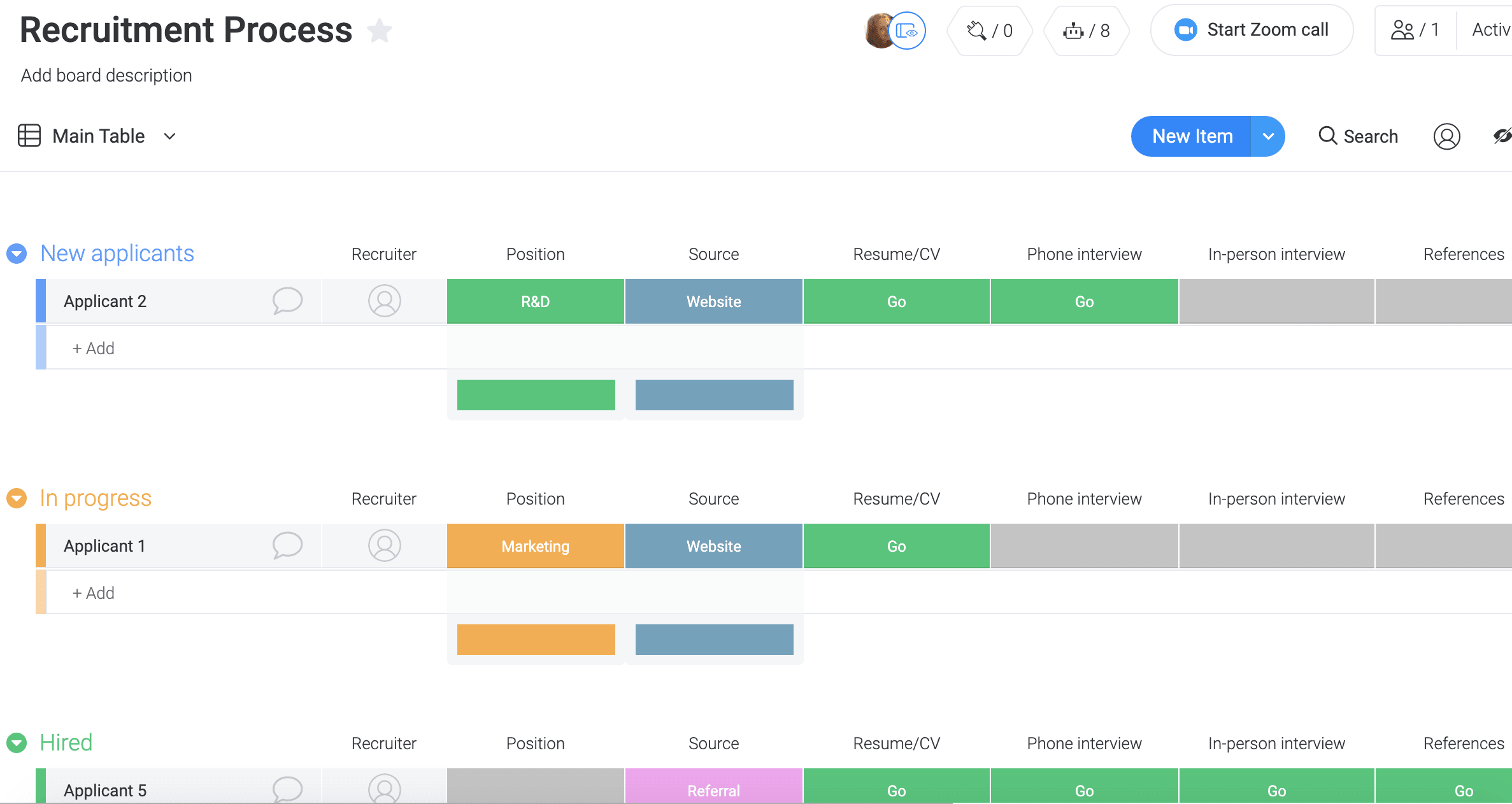
Pay, equity and flexibility are the real product in Monday.com’s hiring pitch
Monday.com’s job postings read less like a recruiting formality and more like an internal memo about what the company wants to reward. The message is clear: competitive salary, bonus potential, equity eligibility, learning support and a hybrid schedule are being used together to sell the same job, which tells current employees as much as it tells candidates.
That mix matters because it shows how monday.com is trying to compete in a crowded SaaS market. The company is not leaning only on brand recognition or the appeal of building a well-known product; it is signaling that ownership, growth and day-to-day flexibility are part of the deal. For engineers, product managers and sales teams, that is a useful clue about how the company wants people to think about their careers there: not as a static role, but as a path tied to both compensation and skill-building.
The compensation message goes beyond base pay
Across current postings, monday.com emphasizes competitive salary and benefits, bonus potential and eligibility for the company equity incentive program. Some roles also come with monthly stipends for food, wellness and commuter or remote work. That combination suggests a compensation philosophy built around layered value rather than a single paycheck figure.
The benefits list is broad enough to speak to different parts of the workday and the work-life boundary. Medical, dental and vision insurance show up alongside parental leave, commuter support, a fitness benefit and a lunch benefit. In practice, that says the company is trying to make the office, the commute and the home stretch of the workday feel less costly, while also making the employer brand feel more complete than a salary headline alone.
For employees, the subtext is important. Equity eligibility and bonus potential are not just recruiting perks; they are also reminders that monday.com wants workers to think like owners and contribute to long-term value. That can be motivating, but it also raises the stakes around workload, performance expectations and whether the upside is distributed in a way people can actually feel.
Learning and development is being used as a retention tool
Monday.com’s careers pages make a point of highlighting a dedicated learning and development team, AI workshops, bootcamps and internal hackathons. That is not just a nice-to-have line in a talent brochure. It tells you the company knows that skills in SaaS, especially around AI, are moving fast enough that employees need structured opportunities to keep up.
The emphasis on mastering new tools also reveals how monday.com wants its people to see the company’s own product direction. If AI workshops and bootcamps are front and center in hiring materials, the company is signaling that AI is not a side experiment. It is becoming part of the expected working environment, and employees are being invited to build fluency in it rather than watch it from the sidelines.
That matters for internal mobility too. A company that advertises learning support is making a promise about advancement, even if it does not spell out a promotion path. Workers read that as a cue that the company wants people to stretch into new roles, whether that means moving from implementation to product, from individual contributor to manager, or from feature execution to AI-driven work.
Hybrid work is still flexible, but it is not fully remote
Monday.com says most teams spend three days a week together in the office and can work elsewhere the rest of the time. That is a structured hybrid model, not a loose remote-first promise. For a company with teams spread across locations and a customer base that spans more than 250,000 customers worldwide, the choice says a lot about how it wants collaboration to happen.
The three-day office rhythm suggests the company values in-person coordination, especially for cross-functional work in engineering, product and go-to-market teams. It also signals to employees that flexibility still matters, but within a framework the company controls. In a tighter talent market, that middle ground is often the compromise companies use when they want the collaboration benefits of office time without giving up the recruiting advantage of remote flexibility.

For workers, the practical takeaway is simple: Monday.com is not presenting hybrid work as an exception or a negotiable perk. It is part of the operating model. That makes the policy more durable than a temporary pandemic-era accommodation, but it also means the boundaries of flexibility are set by the company, not the employee.
The hiring process is built to screen for fit, not just skill
Monday.com says its hiring process usually starts with a CV, continues with a recruiter conversation and then moves to a short task or interview. That sequence suggests the company is trying to quickly test whether candidates can do the work and whether they fit the way the team operates.
That matters because the benefits package alone does not explain who gets hired or promoted. A process that includes a task or interview after an early recruiter screen usually rewards people who can show applied judgment, communication and speed, not just pedigree. For candidates, that is a signal to come prepared with concrete examples of how they work, not just what titles they have held.
For managers, the structure is a reminder that employer brand and selection process have to line up. If the company sells ownership, collaboration and transparency on the careers page, then the interview process becomes the first test of whether those values are real or just marketing copy.
Scale gives the employer brand more weight
The company’s own investor materials help explain why the careers-page language is doing so much work. Monday.com said it filed its 2024 Annual Report on Form 20-F on March 17, 2025. It also reported fourth-quarter 2024 revenue of $268.0 million, up 32 percent year over year, with net dollar retention at 112 percent. In 2024, the company said it reached $1 billion in annual recurring revenue.
That is the backdrop for the hiring pitch. A company with that kind of growth profile can afford to present itself as both financially durable and culturally attractive, and it knows candidates will look for signs that the upside is real. Recent job postings also say monday.com has more than 2,500 employees across the globe, which adds another layer to the message: this is no longer a scrappy startup story, but a scaled public company still trying to feel agile.
The scale cuts both ways for workers. Big growth can mean more opportunity, more product surface area and more room to move internally. It can also mean more process, more pressure and more scrutiny over whether the ownership language matches how work is actually managed.
DEI language rounds out the employer message
Monday.com also continues to stress diversity, inclusion and belonging through employee resource groups. Its careers pages say all qualified candidates will be considered regardless of protected characteristics. That is the company’s way of tying culture to policy, and of telling applicants that belonging is part of the package, not an afterthought.
For current employees, that language matters most when it shows up in decisions about promotion, compensation and team composition. A careers page can promise transparency, collaboration and ownership; the test is whether those ideas survive contact with performance reviews, hiring decisions and internal mobility. Monday.com’s postings suggest the company understands that employee experience is now part of the competitive story, not separate from it.
The larger signal is straightforward. Monday.com is using its careers page to tell a story about what it values: ownership through equity, retention through benefits, momentum through learning and stability through a hybrid model. In a market where talent can leave for a better package or a more flexible setup, that mix is not decoration. It is part of how the company tries to keep its best people building the product instead of shopping for the next one.
Know something we missed? Have a correction or additional information?
Submit a Tip