monday.com leans into AI work platform pitch as category broadens
When email and spreadsheets break down, monday.com says work management becomes the system that keeps teams, tasks, and AI agents aligned. That is the category shift behind its AI pitch.
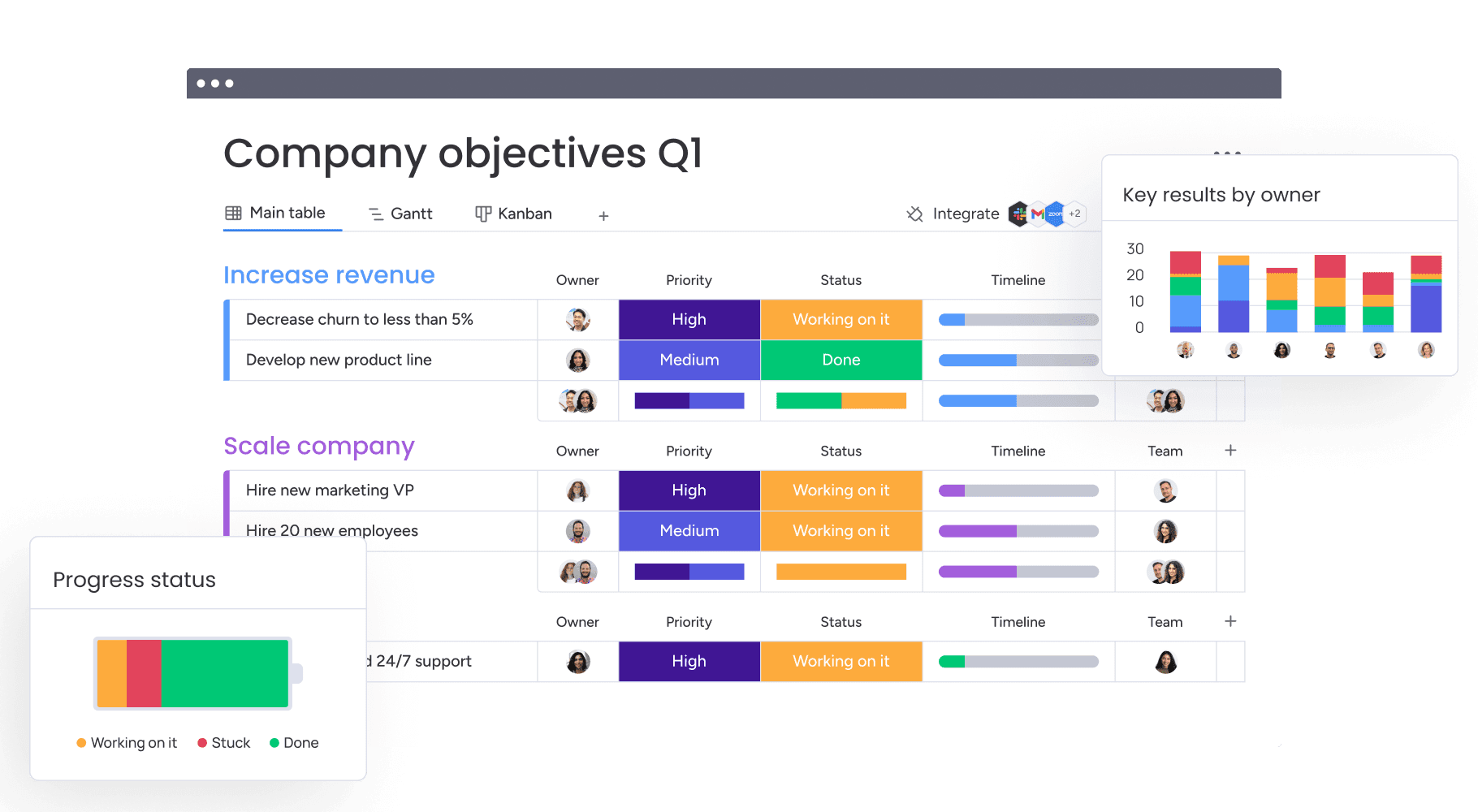
The real pain point is not project tracking
Work usually falls apart long before anyone notices the project plan. A request starts in email, the latest version lives in a spreadsheet, a status update sits in chat, and nobody is sure who owns the next step or who can actually see the file. That is the operational gap work management software is built to close.

The category matters because it is not just about making project managers happier. In G2’s framing, work management software is meant to involve all employees, including external users, in project-based work while improving cross-department collaboration, productivity, and resource allocation. In plain English: it is the layer that keeps people, tasks, timelines, and accountability connected when work has to move across departments.
Why the category is bigger than classic project management
Classic project management tools tend to serve a narrower audience. Work management is broader because it is supposed to be usable by anyone in the organization, not just the people who live inside Gantt charts or sprint boards all day. That is a meaningful distinction for a company like monday.com, where the value proposition is not simply “track this task,” but “run the work.”
The practical difference shows up in how these platforms are used. Work management systems are expected to support a shared data repository, role-based access, customized workflows by department, and visibility into planning, scheduling, monitoring, and sharing work across the business. G2 also points to stronger use cases in remote and cross-functional collaboration, which explains why integrations and ease of adoption matter so much.
This is also where the category starts touching adjacent systems. Work management platforms increasingly connect with ERP systems and accounting software, not because they want to replace them, but because teams need better visibility into cross-team workloads and a simpler way to collaborate around the same operational truth. That is the difference between a task list and an operating layer.
How monday.com is widening its own pitch
monday.com is leaning into that broader definition by describing itself as an “AI work platform.” The company says more than 250,000 customers worldwide use monday.com to bring people, workflows, and AI agents together on one flexible platform. That language signals a shift from being seen as a cleaner interface for work tracking to being positioned as the system that orchestrates work itself.
The integration story is part of that pitch too. monday.com says its platform connects with 200+ existing business applications, which is important because no team operates in a vacuum. The stronger the integration layer, the more likely the platform can sit between departments without forcing employees to rebuild their entire stack.
For employees inside monday.com, that changes what success looks like. It is no longer enough for the product to be easy to use or visually polished. The platform has to help a sales team, a product team, an engineering team, and a customer-facing operations group all work from the same underlying structure without slowing anyone down.
What this means for product, engineering, and sales
For sales teams, this category framing is the language of the buyer problem. Buyers are not really shopping for “project software” when they are dealing with fragmented handoffs, inconsistent ownership, or a lack of visibility across departments. They are looking for a way to make work legible across the business, which is a much bigger sale and a much stickier one.
For product teams, the challenge is balance. monday.com has to support structured process and flexible collaboration at the same time, because different departments use the product in different ways. The product has to work for project plans, cross-team execution, ongoing operational work, requests and intake, and portfolio-style oversight, all without turning into a rigid tool that only one team can tolerate.
Engineering faces a similar tradeoff. A work management platform has to handle permissions, workflow depth, integrations, and reporting while still feeling simple enough that adoption does not stall. The more monday.com pushes into the “AI work platform” category, the more the software has to make structured work and informal collaboration feel like one system rather than two competing experiences.
The proof points monday.com is using
The company’s own story is tied to scale. monday.com says it became a publicly traded company on Nasdaq on June 10, 2021, and later said it reached $1 billion in annual recurring revenue about a decade after launching its Work OS. Those milestones matter internally because they show how quickly a workflow product can become a public software platform with enterprise-grade expectations.
That scale also changes how the category is judged. Once a company reaches that size, customers expect governance, reporting, role controls, and cross-functional coordination to work across thousands of seats and multiple teams. The business is no longer selling productivity in the abstract. It is selling a place where operational truth can live.
One customer example monday.com highlights says a global marketing department saw a 40% improvement in cross-team collaboration for campaign planning and execution. That kind of result is the clearest argument for the category: the payoff is not a prettier dashboard, it is faster handoffs, fewer blind spots, and less time wasted reconciling conflicting updates.
Why this category keeps broadening
The broader the work management market gets, the less it behaves like a niche software purchase. It starts to look like an infrastructure decision about how work moves through an organization. That is why the best products in the space are increasingly judged on whether they can connect teams, standardize process where needed, and still leave room for each department’s actual workflow.
For monday.com, the AI angle is not a side quest. It is part of a broader effort to make the platform feel like the operating layer for modern work, not just a place to file tasks. If the company gets that right, the appeal goes beyond project tracking and into the daily friction of how teams coordinate, approve, escalate, and execute.
That is what makes the category worth watching. In a company world still full of email threads, spreadsheets, and scattered chat updates, work management software is becoming the system that decides whether work stays visible long enough to get done.
This article was produced by Prism’s automated news system from verified source data, official records, and press releases, then run through automated quality and moderation checks before publishing. The system is built and supervised by the people who set the standards it runs under. Read our full AI policy.
Know something we missed? Have a correction or additional information?
Submit a Tip