monday.com ties employee learning to its AI product strategy
monday.com is turning AI training into a core job skill, signaling that workshops and hackathons now feed product execution, not just employee perks.
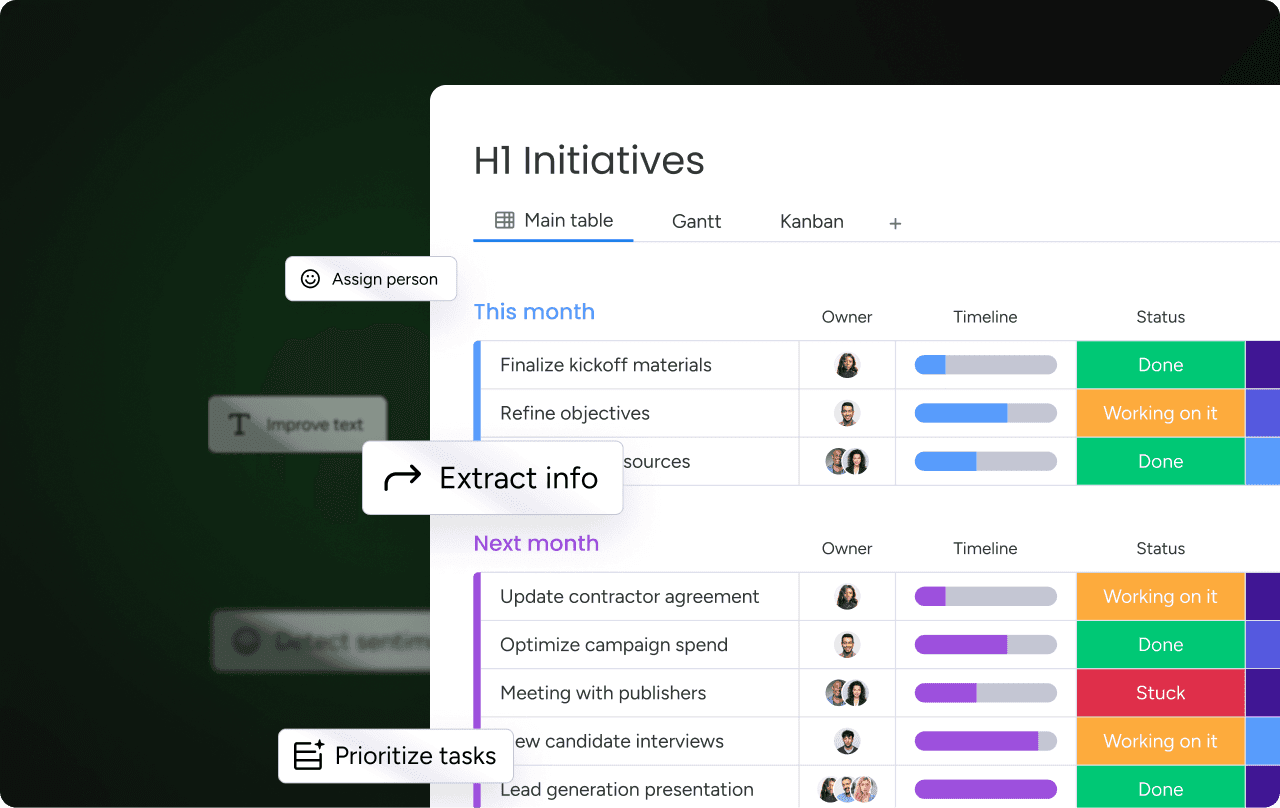
monday.com is no longer treating learning as a side benefit. Its career pages now frame a dedicated Learning and Development team, AI workshops, bootcamps, and internal hackathons as part of how employees are expected to grow, and that lines up with a broader shift toward an AI work platform used by more than 250,000 customers worldwide.
Learning is now part of the operating model
The clearest signal from monday.com’s job pages is that AI fluency is being treated like a core capability, not an optional extra. The company says it is building a platform where people, workflows, and AI agents work together on one flexible system, which means employees are being asked to learn alongside the product rather than catch up after the fact.
That matters because monday.com is not making a cosmetic change. In May 2026, the company described its relaunch around an AI Work Platform vision as the biggest change in its history, and its FY2025 results showed 27% revenue growth. It also said monday vibe became the fastest product in company history to cross $1 million in ARR. Put together, those details suggest the learning push is happening during a real product and revenue transition, not as an internal branding exercise.
For workers, that is an important career signal. When a company ties learning directly to the product it is building, it usually means the people who can adapt fastest will have the strongest internal leverage. At monday.com, that appears to include people who can understand AI use cases, work across functions, and help turn experimentation into something customers can actually use.
Why workshops, bootcamps and hackathons matter
The format of learning matters almost as much as the fact that it exists. AI workshops usually help teams build a shared language quickly, especially when a company is moving fast and the definitions around AI features, workflows, and customer value are still changing. That kind of training is valuable because it shortens the time between a new product idea and a team that can explain, test, and support it.
Bootcamps go deeper. They are the kind of learning format that can produce real operational gains because they build role-specific skill sets instead of broad awareness. For engineers, that can mean learning how to build across product surfaces and stacks. For product managers, it can mean getting sharper at experimentation, tradeoff decisions, and framing AI features around user problems instead of technology for its own sake.
Internal hackathons are often where companies discover more than just ideas. They surface people who can work across silos, combine technical and business judgment, and turn vague opportunities into something shippable. In an AI-heavy company, that can be especially important because the skills gap is not just technical anymore. Teams also need people who can assess whether a use case is worth pursuing, explain why it matters to customers, and design a repeatable workflow around it.
A practical way to read monday.com’s setup is this:
- Workshops help employees understand the new language of the platform.
- Bootcamps help them use that language in their own role.
- Hackathons help identify who can turn that knowledge into product execution.
That is why these learning formats carry promotion-ready value. They are not just morale events. They are rehearsal spaces for ownership.
What this means by role
For engineers, the takeaway is that monday.com appears to value builders who can work across stacks and product surfaces, not just inside a narrow technical lane. In a company shifting toward AI agents and workflow automation, the people who can connect infrastructure, product behavior, and customer outcomes are likely to stand out.
For product managers, the bar is moving toward AI fluency and experimentation. It is no longer enough to understand backlog prioritization or feature sequencing. The company’s direction suggests that PMs who can evaluate AI opportunities, define what good looks like, and communicate the value in customer terms will be better positioned as the product expands.
For sales and customer-facing teams, the most important signal is that enablement is being built into the job instead of added afterward. monday.com’s own framing suggests that people selling and supporting the product will need to understand not only the feature set, but also how AI changes the customer workflow and where the tradeoffs sit. That makes the learning infrastructure part of go-to-market readiness, not just employee development.
The broader career message is simple: at monday.com, people who keep expanding their toolset are more likely to grow with the platform itself.
The customer learning model mirrors the employee model
The company is also building a learning ecosystem for customers, which reinforces the idea that education is part of the product strategy, not just the culture. monday academy offers courses, hands-on training, webinars, and certifications, while the Learning Center includes knowledge-base articles, video tutorials, lessons, webinars, training, and certifications.
That parallel matters. If employees are being trained to think in AI terms, customers are being given the tools to adopt the platform faster too. The result is a more complete operating model: internal learning helps monday.com build and sell the product, while external learning helps customers use it without friction.
The fit is especially clear as monday.com pushes its first monday agents into sales development use cases. That kind of product move is not just about launching features. It requires internal teams that can explain the value, support adoption, and translate the new workflow into business outcomes. The learning system is what makes that possible at scale.
Global scale raises the stakes
monday.com’s footprint helps explain why standardized learning matters. The company says it has offices in Tel Aviv, New York, London, Munich, Warsaw, Tokyo, Sydney, Melbourne, Singapore, São Paulo, and Denver, and its APAC headquarters in Sydney opened in 2022. A company spread across that many locations cannot rely on informal knowledge transfer alone if it wants teams to move in sync.
That kind of global structure makes workshops, bootcamps, and shared training assets more than just nice-to-have programs. They become the mechanism for keeping a distributed workforce aligned on product language, AI priorities, and execution standards. For a company shifting toward agents and AI-driven workflows, that alignment is not a soft cultural issue. It is an operational requirement.
The biggest takeaway for monday.com employees is that learning is now part of how the company competes. The people who use these programs to build judgment, cross-functional credibility, and AI fluency are likely to be the ones who grow as the platform grows.
This article was produced by Prism’s automated news system from verified source data, official records, and press releases, then run through automated quality and moderation checks before publishing. The system is built and supervised by the people who set the standards it runs under. Read our full AI policy.
Know something we missed? Have a correction or additional information?
Submit a Tip