Notion adds agent controls, signaling shift from novelty to governance
Notion is putting guardrails around agents, adding plans, directories, and spend controls as more than a million custom agents hit beta scale.

Notion’s latest AI updates make a clear point: the market is no longer asking only what an agent can do, but who can control it, how much it can spend, and when it should stop.
On May 7, Notion introduced Plan Mode, which pauses before major actions, asks clarifying questions, and builds a detailed plan before rewriting pages or updating databases in bulk. A day earlier, it launched a Custom Agent Directory so users can browse, pin, and create agents in one place. On May 5, it added admin controls that let workspace owners decide who can create agents and how much each one can spend.
Those changes follow a fast adoption curve. Notion said teams created more than a million Custom Agents in the first two months of beta, and that the scale-up brought a new demand for visibility and control. Custom Agents were free to try through May 3, 2026, then moved to Notion credits on May 4. Those credits are sold as an add-on for Business and Enterprise plans, and enterprise admins can set workspace-level credit limits that apply to both new and existing agents.
The bigger shift is not just billing. Notion’s credits dashboard shows total usage broken down by agent, along with spend trends, status, and recent activity. The company also built in automatic pausing when an agent burns through credits too quickly or when the workspace runs out. In practice, that puts AI agents in the same category as other enterprise systems that need permissions, audit trails, and predictable budgets before they can touch shared work.
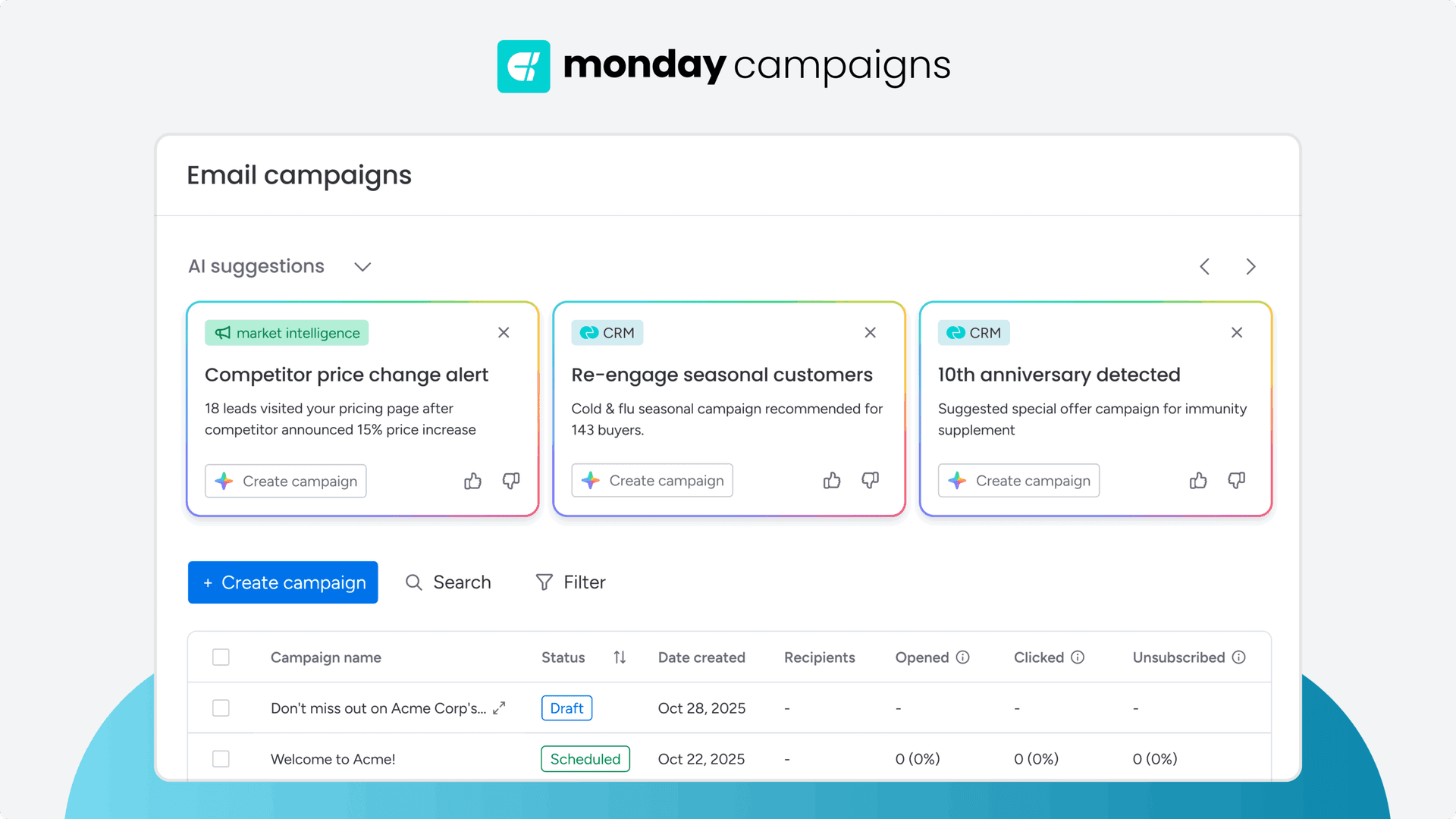
That is the same direction monday.com has been signaling from the other side of the market. The company said it built infrastructure that lets AI agents sign up, authenticate, and operate directly inside monday.com, and it has framed monday agents around context, action, and governance, with access controls, approval workflows, and activity logs as core requirements. monday.com says it serves more than 250,000 customers, and it has pointed to enterprise outcomes such as Pepsi cutting low-impact work by 30% while meeting 100% of critical deadlines, and Five9 reducing time to revenue by 25% through AI-powered workflows.
For product teams in Tel Aviv and New York, the message is becoming hard to miss. The next buying decision in workplace AI will hinge less on novelty and more on whether administrators can approve it, cap it, track it, and shut it off when needed. That is turning governance into the new competitive standard for work-management vendors.
Know something we missed? Have a correction or additional information?
Submit a Tip