Notion launches developer platform as work OS shifts to agents
Notion said more than 1 million custom agents were built before it opened a developer platform, raising the bar for monday.com’s own app-and-agent stack.
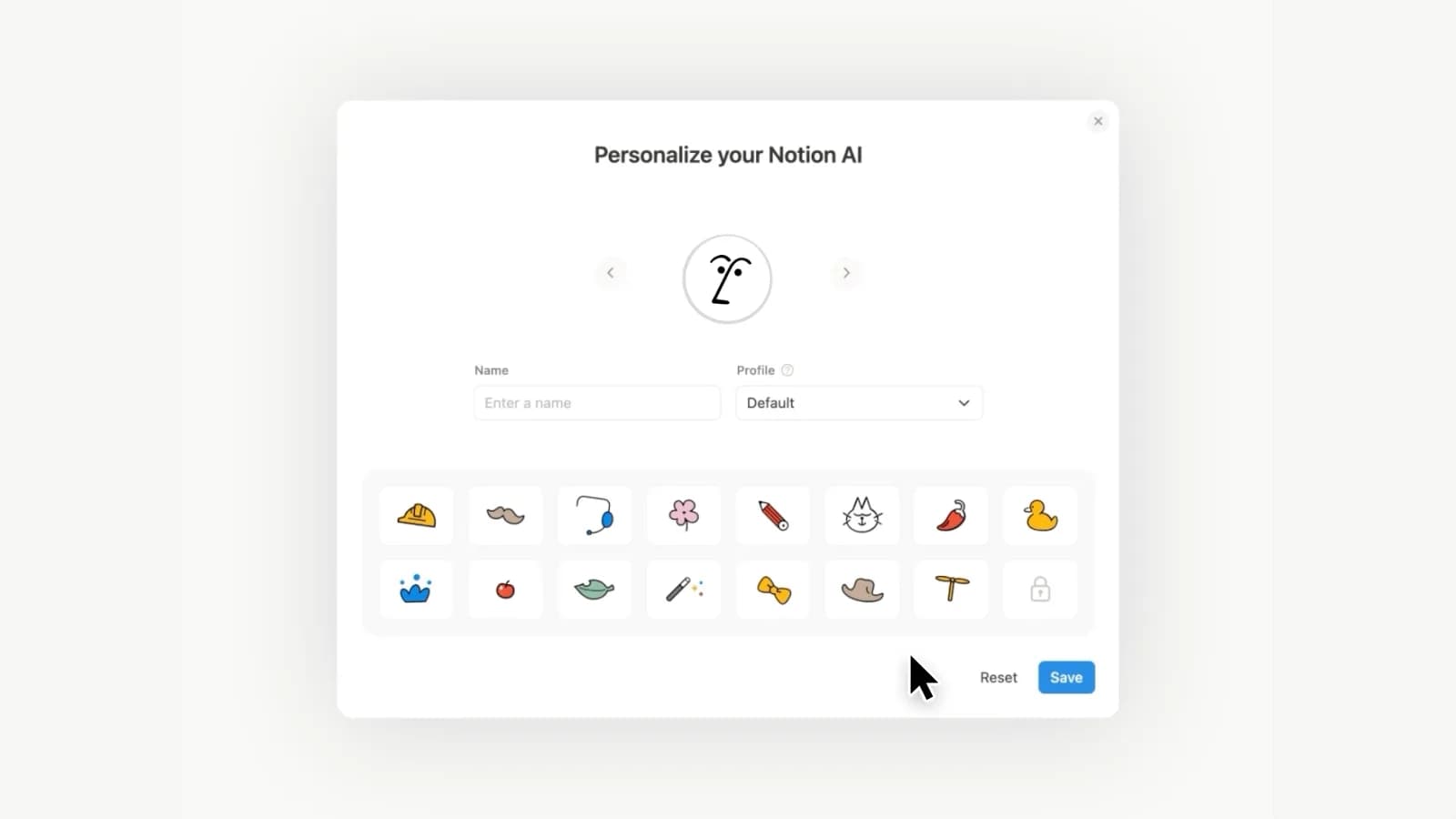
Notion’s new developer platform is a sharper signal than another AI feature launch: work software is becoming a place where teams wire in agents, external data and custom code without waiting on IT.
The May 13 release, part of Notion 3.5, lets teams write code to sync data and build agent tools on Notion’s infrastructure. Notion also said customers can bring external agents such as Claude, Codex, Decagon or custom-built agents into the workspace, turning its product from a place for human collaboration into a shared canvas for people and software agents together.

That matters because Notion is no longer just asking users to take notes or track tasks. Its External Agents API is in alpha, and the company introduced Workers, a cloud-based environment for running custom code, free through August to encourage experimentation. Notion said the platform can sync databases such as Salesforce, Zendesk and Postgres into Notion databases, a move that points directly at the enterprise buyer who wants live systems connected inside the workspace instead of stitched together through separate tools.
The scale of demand was already there. TechCrunch reported that customers had built more than 1 million custom agents before the developer-platform launch, even though Notion’s earlier custom agents could not connect to external data or use custom logic. That limitation pushed customers toward third-party automation tools or their own scripts. Notion had already launched Custom Agents on February 24, 2026, describing them as autonomous agents that can run on triggers or schedules across Notion and connected tools, handling repetitive work such as task triage, internal Q&A, standups and status reports.
For monday.com, the competitive read is straightforward. Buyers are increasingly comparing platforms on extensibility, not just interface polish. monday.com’s developer docs describe its Platform API as a GraphQL API for building apps, integrations and AI agents, and its Apps and Agents Framework says teams can build, publish and monetize apps on the monday marketplace. The company says it is used by more than 250,000 organizations and reported first-quarter 2026 revenue of $351.3 million, up 24% from a year earlier.
monday.com has also been pushing the AI message harder. In its first-quarter results, the company said it launched an AI Work Platform with native agents, and its docs now include both a Platform MCP and an Apps MCP for AI-agent workflows. The stakes are less about who has the prettiest workspace and more about which vendor can become the operating layer for workflows, agents and governance inside the enterprise. As Notion opens the door wider to developers, monday.com and its rivals are being pushed toward the same standard: a work OS that can execute, not just organize.
Know something we missed? Have a correction or additional information?
Submit a Tip