Notion lets Custom Agents access private Slack channels with permissions control
Notion pushed Custom Agents into private Slack channels, but only under explicit invites. That makes AI more useful, and more sensitive, for teams that depend on tight permissions.
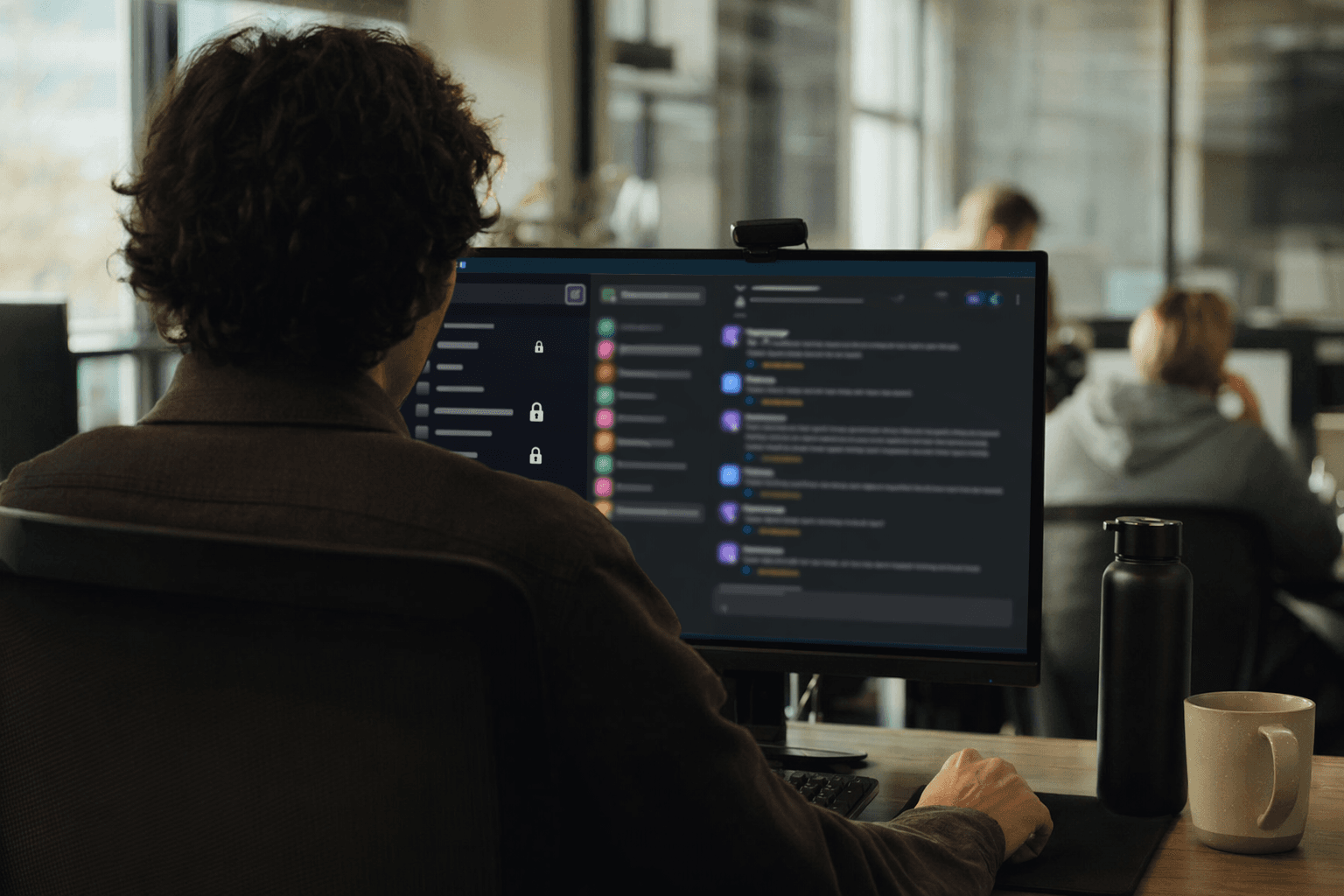
The real test for workplace AI is no longer whether an agent can summarize a thread. It is whether that agent can operate inside a private channel without blurring the line between useful automation and risky overreach.
Notion’s May 1 update moved its Custom Agents deeper into Slack by letting them read and reply in private channels. The release notes said workspace admins can enable access to private content through Notion AI connectors, and each agent only sees the private channels it is explicitly invited into. That detail matters. It shows Notion is not simply widening model access across a workspace. It is trying to pair broader utility with narrower permissions.
For teams that live in Slack, that can be a real step up in execution. Private channels are where escalation threads, customer issues, project blockers, and follow-up decisions often sit. If an agent can join those conversations, it can carry work closer to where the work is actually happening, instead of waiting on someone to copy information into a separate AI surface. For monday.com employees building or selling work software, that is the competitive signal to watch: buyers want automation that sits in the communication layer, not one more destination to manage.
The governance question comes first, though. Once an agent can participate in a private channel, enterprise customers will want to know exactly what it can read, what it can say, and how its activity is recorded. Permissioning cannot be a loose promise; it has to be enforced at the channel level, the connector level, and the admin level. If those controls are weak, the value of the automation drops fast because the trust cost rises even faster.
That is the framework monday.com admins should expect from any cross-workspace automation, whether it touches chat, docs, or task systems. More access only helps when it shortens decision cycles without exposing sensitive conversations to the wrong scope. If the access model is too broad, AI becomes another layer of risk. If it is tightly bounded, it can become a real operator inside the workflow.
Notion’s update was small in wording and large in signal. Workspace AI is moving deeper into private operational spaces, and the next wave of competition will hinge on who can extend there securely, not just who can extend there first.
Know something we missed? Have a correction or additional information?
Submit a Tip