Remote work trends highlight new expectations for monday.com teams
Remote work now shapes hiring, retention, and product design at monday.com. The company’s growth and AI platform push make hybrid coordination a core business issue.
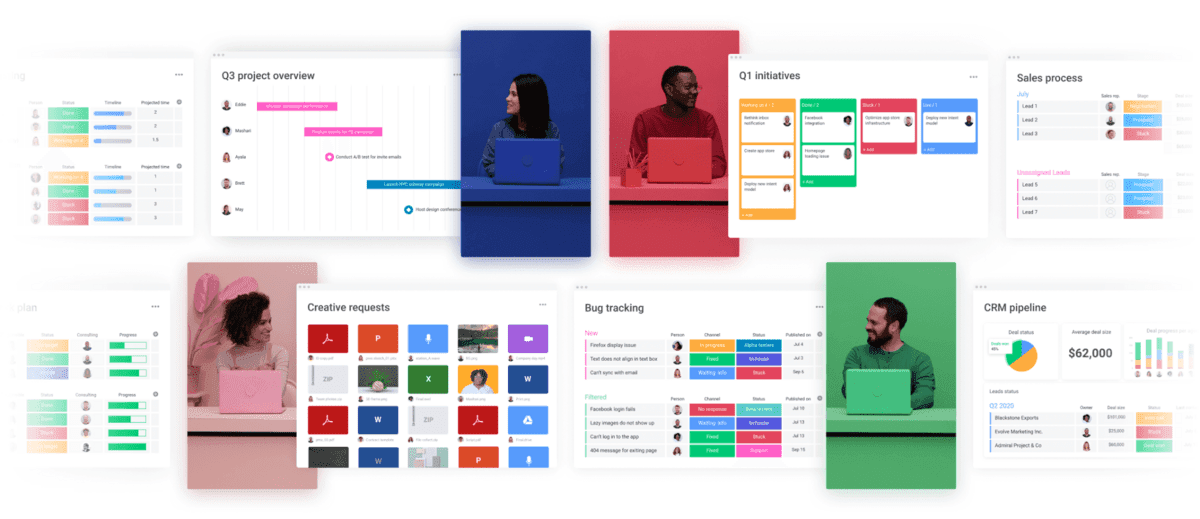
More than 250,000 customers worldwide use monday.com’s platform to bring people, workflows, and AI agents together on one flexible platform, and the company positions it as an AI work platform. For monday.com, remote work is no longer a perk discussion. It is a question of whether distributed teams can keep shipping, selling, and supporting customers without rebuilding office-era coordination problems in Slack, email, and meetings.
We Work Remotely’s State of Remote Work 2026 frames the moment as shaped by “trends, tensions, and worker expectations shaping remote hiring and the future of work.” The rise of hybrid teams and a “flexibility gap” now sit at the center of many workplace decisions.

What the remote-work signal means for monday.com
monday.com is built around work orchestration at scale.
The company’s recent numbers show why coordination is not an abstract issue. monday.com reported second-quarter 2025 revenue of $299.0 million, up 27% year over year, and third-quarter 2025 revenue of $316.9 million, up 26% year over year. In Q2 2025, it also added a record number of net new customers with over $100,000 in annual recurring revenue, which puts pressure on internal teams to keep execution tight as the customer base grows.
The durable remote habits are practical, not ideological
The most durable remote-work practices in 2026 are the ones that reduce ambiguity. Distributed teams need clearer handoffs, visible ownership, async-friendly status updates, and fewer meetings that only exist because context is missing somewhere else. Those habits cut coordination costs that slow product development and sales follow-through.
monday.com still publishes remote-work guidance, including the 2026 blog post, “Remote collaboration: how to improve remote work in 2026.” The company also keeps a remote-work blog category live and maintains a partner page called “Communicate and work remotely as a team.”
Why engineers and product managers should pay attention
For engineers and product managers, remote-work trends should shape how the software itself is designed. When teams are spread across time zones, collaboration tools need to make ownership obvious, surface blockers quickly, and reduce the amount of status-chasing required to move work forward.
monday.com’s product strategy is still expanding. In Q3 2025, new products accounted for more than 10% of total ARR at monday.com, and more than 60,000 apps had been built on monday vibe in about three months.
What sales teams are hearing from hybrid customers
Sales professionals at monday.com are seeing the other side of the same shift. Buyers running hybrid teams are often looking for tools that lower coordination friction across locations, time zones, and schedules, while also giving managers clearer visibility into work. They are re-evaluating attendance rules, manager availability, and documentation habits, which means a workplace platform has to prove it can support execution, not just communication.
At that scale, remote-work expectations are not a niche use case. If the product promises better execution, the sales conversation has to connect that promise to concrete pain points, including handoffs, approvals, and the cost of too many meetings.
Retention and employer brand now depend on policy clarity
For HR and leadership stakeholders, remote work is increasingly tied to retention and employer brand. If employees expect flexibility, then policy clarity becomes a competitive advantage. If candidates prefer distributed roles, then the company’s work model shapes who it can hire and where it can hire from.
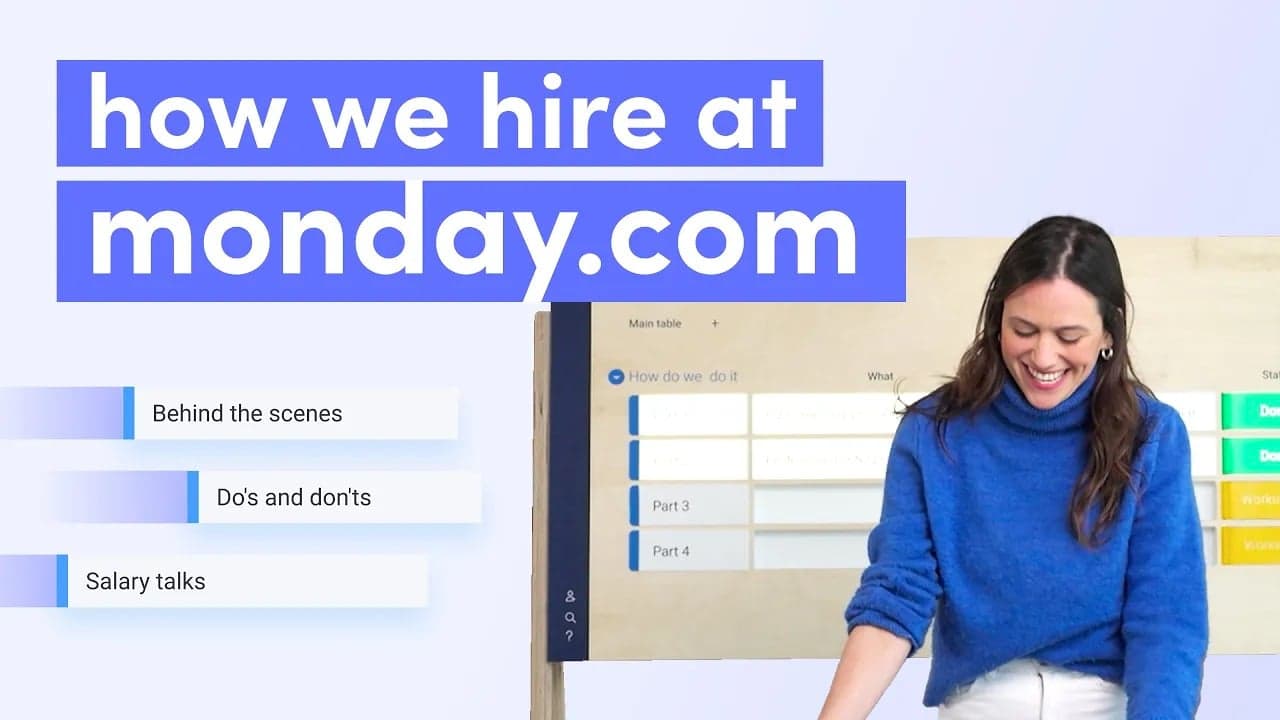
monday.com’s careers pages and work-related content tie remote-work and hybrid-work messaging to a recruiting brand built around modern work practices.
This article was produced by Prism’s automated news system from verified source data, official records, and press releases, then run through automated quality and moderation checks before publishing. The system is built and supervised by the people who set the standards it runs under. Read our full AI policy.
Did this article answer your question?