ServiceNow raises outlook again on strong AI-driven demand
ServiceNow lifted subscription revenue guidance again after Q2 sales hit $3.113 billion, and its nearly 4% after-hours jump sharpens the AI pricing test for monday.com.
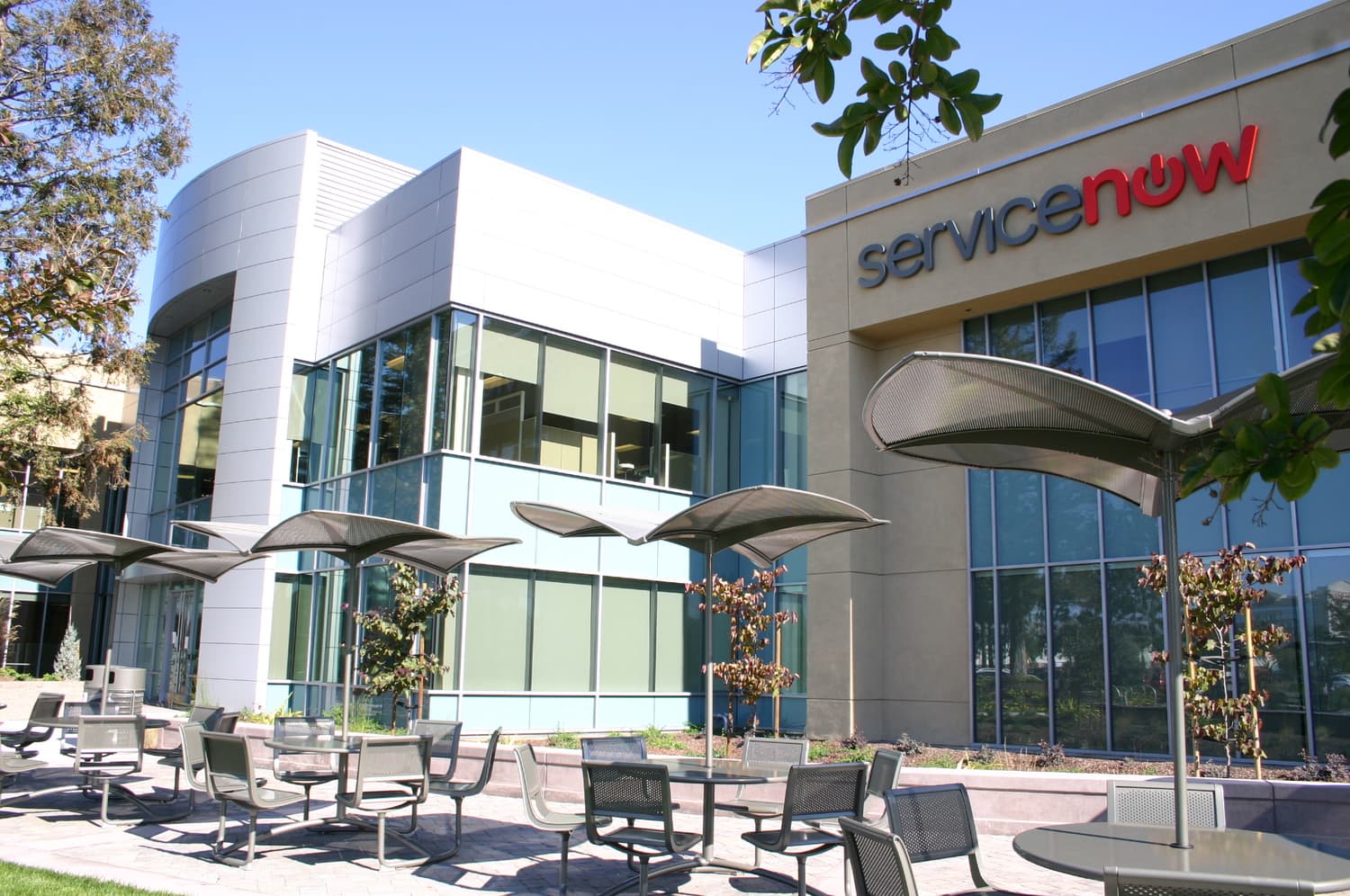
ServiceNow lifted its annual subscription revenue forecast again after posting a strong second quarter, a result that puts fresh pressure on monday.com and other workflow vendors to show that AI can drive real revenue, not just product demos. In its July 22, 2025 results, the Santa Clara, California company said subscription revenues reached $3.113 billion, up 22.5% from a year earlier, or 21.5% in constant currency, and called the quarter a beat-and-raise. Chief executive Bill McDermott said the results showed “elite level execution.”
Investors responded quickly. ServiceNow shares rose nearly 4% in extended trading after the update, a sign that the market is still willing to reward enterprise software names that can turn AI demand into higher guidance and larger contracts. The company said the higher forecast was its second subscription revenue outlook raise of 2025, reinforcing that AI is not being treated as a side feature in enterprise software, but as part of the main sales case.
For monday.com, that matters because its own product identity now leans heavily on AI. monday.com describes itself as an AI work platform and names monday sidekick, monday vibe, AI Blocks and AI Workflows as part of its product set. That framing puts the company in the same conversation as ServiceNow, where the question is no longer whether AI exists in the product, but whether it changes how work moves through the system.
The implication for product teams is straightforward: customers are buying workflow software only when AI can be tied to measurable outcomes such as faster case resolution, better routing, sharper recommendations and less manual administration. For engineers, that raises the stakes inside the platform itself. Model choice, latency, cost, governance and reliability are no longer background infrastructure issues, because they shape whether AI features can be packaged into something enterprise buyers trust and pay for.
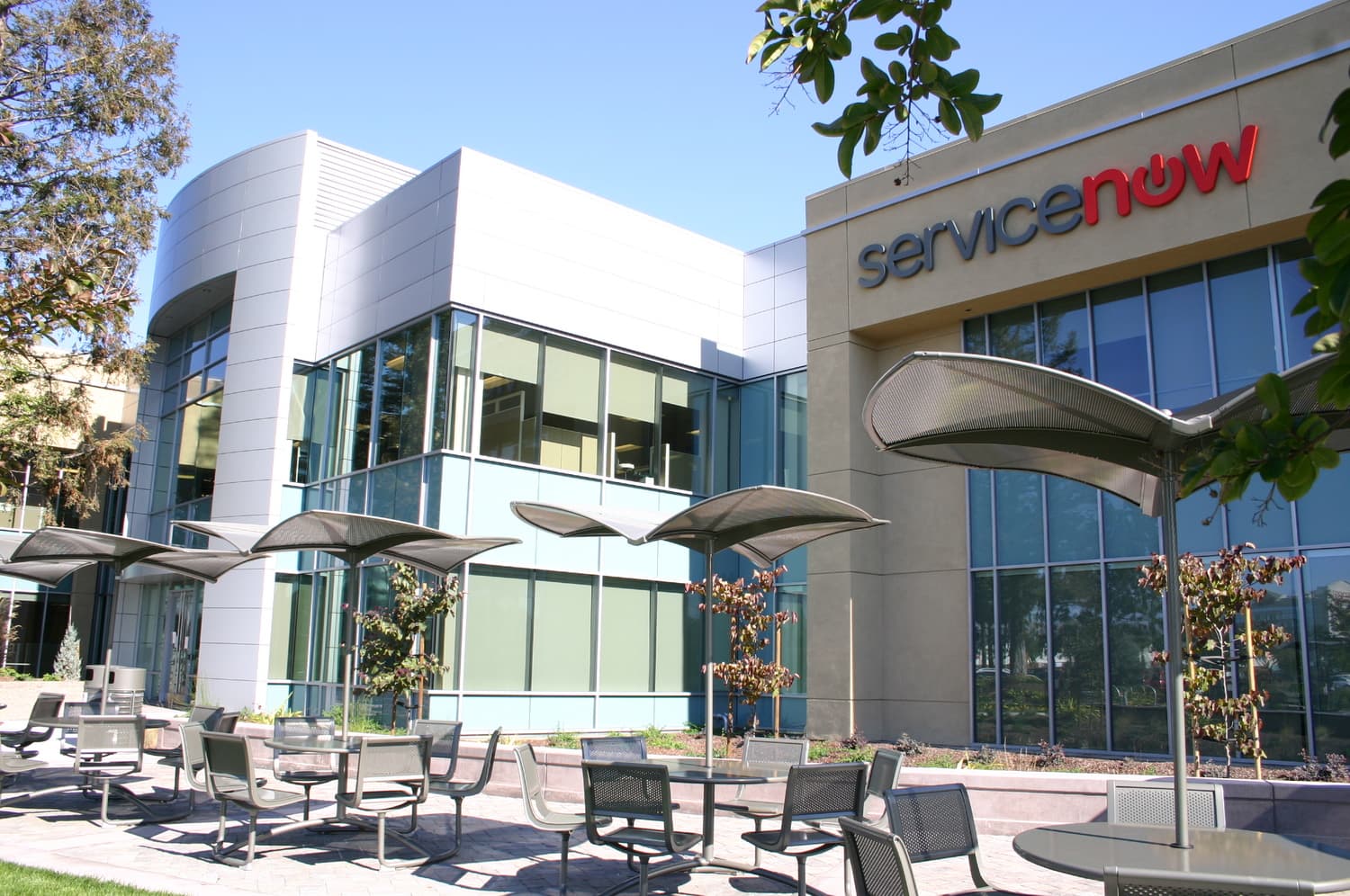
monday.com has also treated ServiceNow as a direct competitive reference point in its own marketing, publishing comparison pages including “Top 8 ServiceNow alternatives and competitors in 2026” and “ServiceNow vs monday service: How to modernize service management in 2026.” That shows the contest is not abstract. ServiceNow remains a benchmark in the service-management and automation market, and monday.com is already positioning itself in opposition to that footprint.
For sales teams, ServiceNow’s guidance is useful because it suggests enterprise customers are still spending on automation platforms when AI is presented as a productivity lever rather than a headcount-cutting story. That can support monday.com’s enterprise pitch, especially where buyers want a lighter deployment than traditional IT service management software. It also means pricing conversations may get tougher, because once a category leader proves AI can lift revenue, prospects will expect comparable value from every alternative.
This article was produced by Prism’s automated news system from verified source data, official records, and press releases, then run through automated quality and moderation checks before publishing. The system is built and supervised by the people who set the standards it runs under. Read our full AI policy.
Did this article answer your question?