Microsoft Game Pass pricing rethink highlights pressure on Nintendo subscription value
Microsoft’s Game Pass reset shows subscription pricing can hit a ceiling, a warning for Nintendo as it balances Switch Online value against rising hardware and content costs.

Microsoft’s latest Game Pass rethink is a reminder that subscription pricing can turn from growth engine to liability fast. In an internal memo, Microsoft Gaming CEO Asha Sharma said Game Pass had become too expensive for players and that Microsoft needed a better value equation, a signal that arrived only about seven weeks after she became Xbox chief.
The shift matters because Microsoft had already pushed Game Pass Ultimate up 50 percent to $29.99 a month in October 2025, then started talking about a more flexible system and a model that still needs testing and learning. That is not just a consumer pricing story. It is also a workplace story about how leadership teams set revenue targets, plan content pipelines and decide how much live-service volume a subscription must carry to justify itself.
For Nintendo, the comparison is direct even if the products are different. Nintendo Switch Online launched on September 18, 2018, and the U.S. individual plan is listed at $19.99 per year. The Nintendo Switch Online + Expansion Pack individual plan is listed at $49.99 per year and includes Nintendo 64, Game Boy Advance and Sega Genesis libraries, plus select downloadable content at no additional cost. Nintendo also says a family membership can cover up to eight Nintendo Accounts.
That pricing gap, and the different promises attached to each tier, sits at the center of Nintendo’s own value conversation. A recurring fee is not only a consumer-facing number. It is a commitment that affects how many classic titles, add-ons and service updates the company needs to keep in motion, and how much pressure lands on teams in product, finance, marketing, localization and QA to keep the package feeling worthwhile over time.
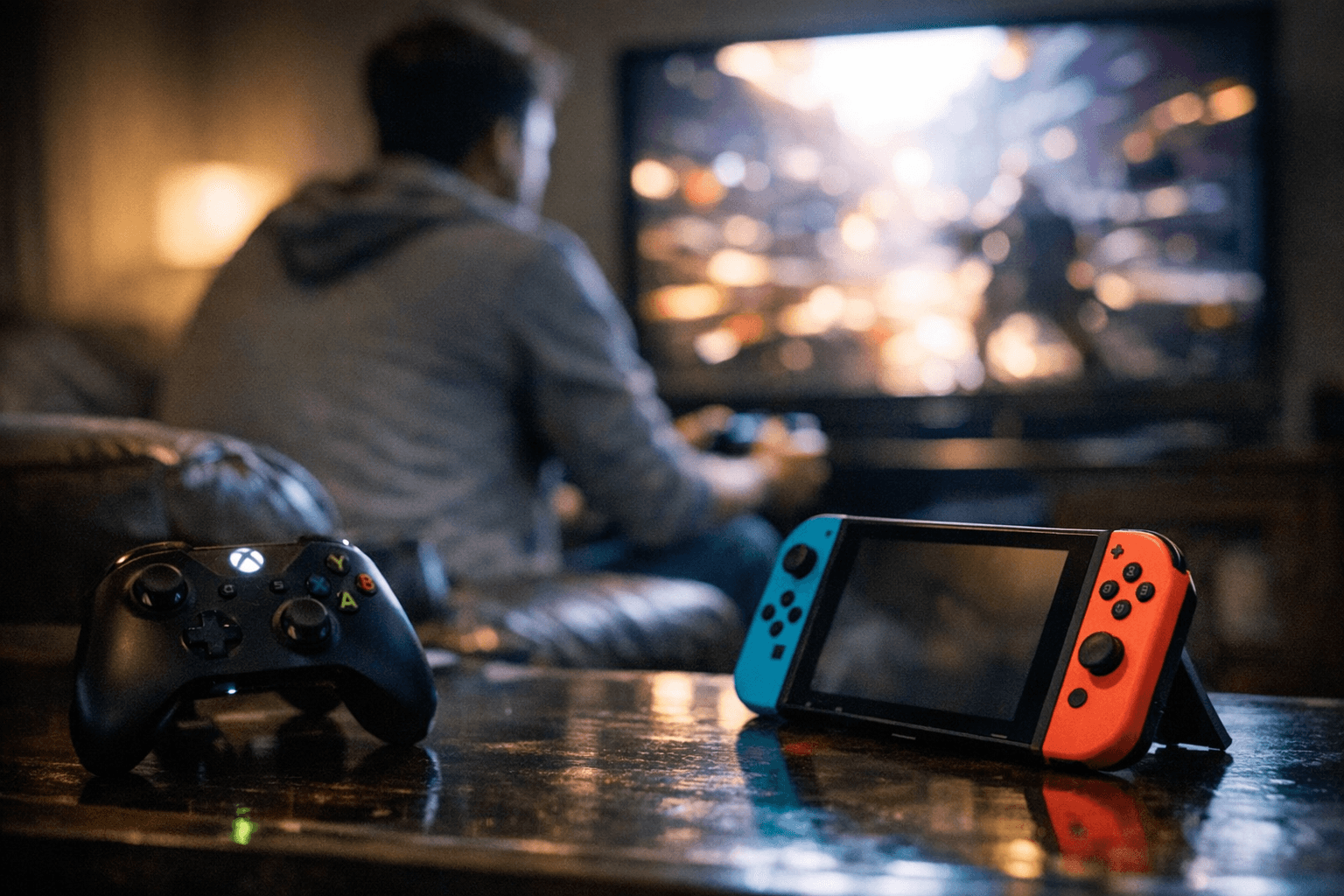
Nintendo has already shown it is sensitive to that larger pricing environment. On August 1, 2025, the company said U.S. pricing for original Switch family systems and accessories would change effective August 3, and it warned that future price changes could also affect Switch 2 systems, games and Nintendo Switch Online memberships. That warning put a wider ecosystem around the subscription issue, not just one service.
The broader lesson for Nintendo is clear: value perception now has to be managed continuously, not assumed. If one of the industry’s biggest subscription businesses is openly reconsidering how much players will pay, then every platform holder has to treat pricing as a live operational issue, one that can shape staffing assumptions, content schedules and the economics of the next hardware cycle.
Know something we missed? Have a correction or additional information?
Submit a Tip