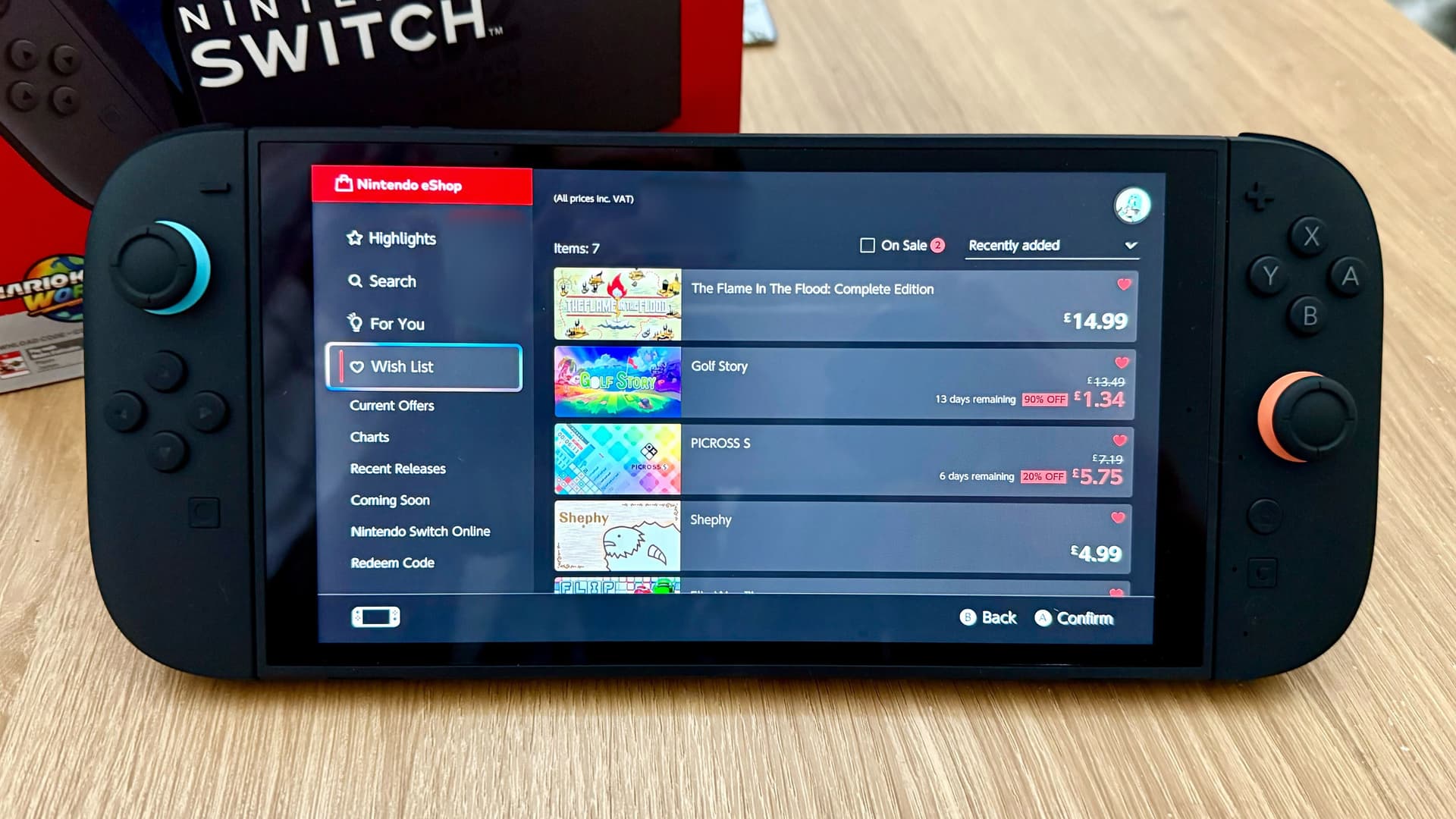
Microsoft layoffs put Xbox under pressure as Nintendo watches talent shifts
Microsoft's Xbox cuts could widen the talent pool for Nintendo recruiters as a 5,000-worker layoff round hits sales and consulting too.
Microsoft was preparing another layoff round that could hit about 5,000 workers next week, with sales, consulting and Xbox in the mix. The cut would amount to less than 2.5% of a workforce of roughly 220,000, which keeps the headline modest for investors but still puts thousands of people back into the market at once. The fact that Xbox remains in the restructuring conversation matters more than the percentage.
For Nintendo, that opens a wider pool of people who know publisher-side operations, platform negotiations and large-scale game support. Hiring managers in Japan and abroad can look at sales, consulting and Xbox veterans for business development, producer, QA and localization roles, especially where Nintendo's quality bar and long development cycles reward institutional knowledge over churn. The same churn can also make external development managers more careful about staffing assumptions, since a sudden change at one platform holder can ripple into shared tools, milestone planning and partner confidence.

The pressure is competitive, not just numerical. Microsoft is still pouring more than $100 billion into AI infrastructure while trimming game-adjacent functions, and that combination sends a clear signal to studios that budgets and headcount can move in different directions at once. Nintendo-facing partners will notice that when they negotiate staffing, outsourcing and release timing, because stability has its own value in a market where Xbox is publicly being reworked. For Nintendo recruiters, that can turn a rival's disruption into a hiring advantage, as long as the company can keep promising steadier planning and clearer paths for the people it wants to keep.
This article was produced by Prism’s automated news system from verified source data, official records, and press releases, then run through automated quality and moderation checks before publishing. The system is built and supervised by the people who set the standards it runs under. Read our full AI policy.
Did this article answer your question?