Nintendo details software safety checks from development to eShop
Nintendo is turning safety into a software workflow, with ratings, controls, and communication limits built in before launch.
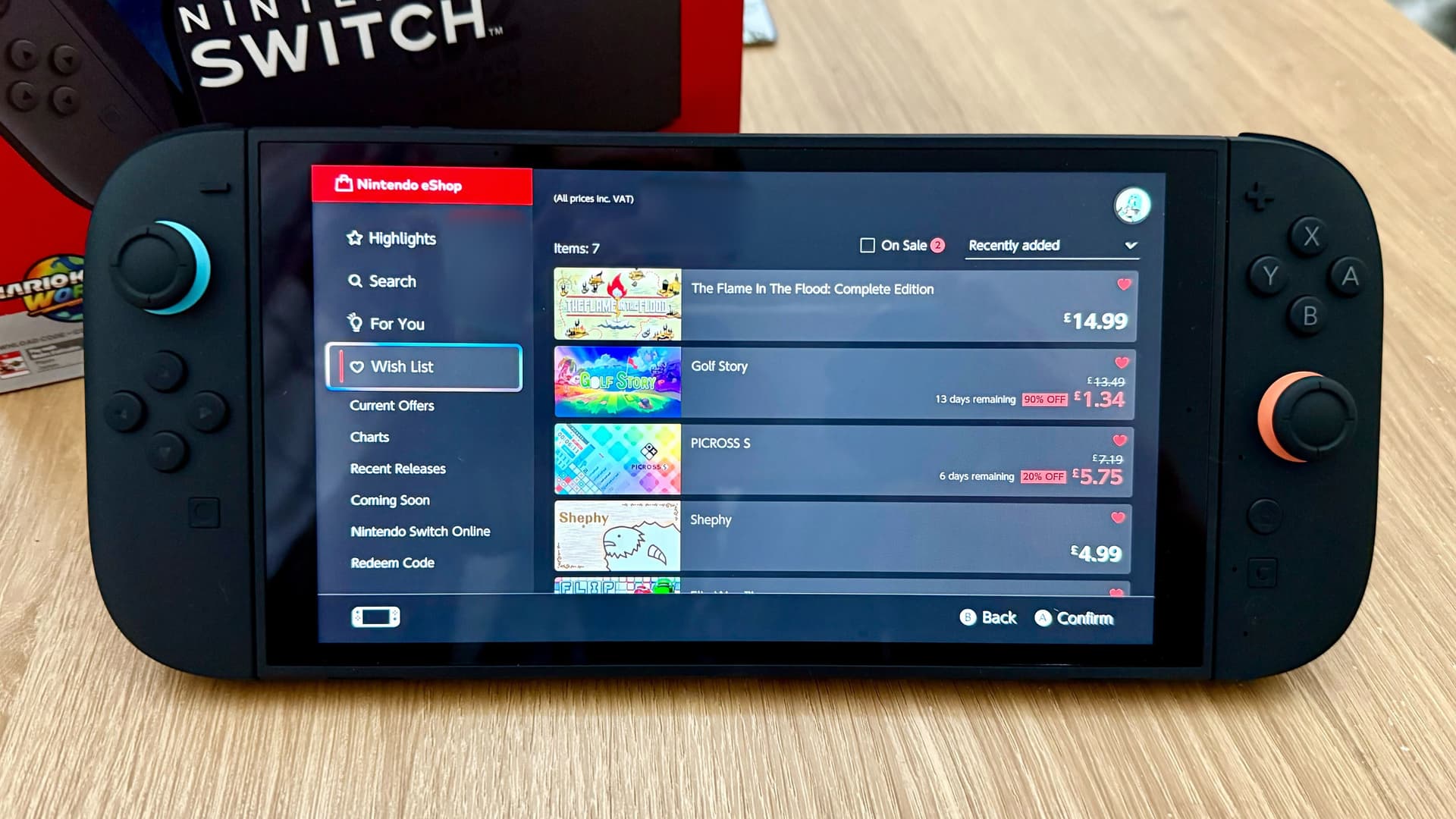
Nintendo starts game-software safety checks at the product-development stage. Safety guidelines run through multiple departments and shape what players see in the eShop, on packaging, and inside the game itself.
Safety starts in the build process
Nintendo creates safety guidelines from both hardware and software perspectives, revises them as needed, and distributes them across the relevant teams. Designers, producers, localizers, and compliance staff work in a shared workflow, with multiple departments checking game-software safety before a product is finished. That puts safety decisions upstream, where interface choices, feature scope, and store metadata are already being locked in.
The company is not limiting safety to violence ratings or obvious content flags. Nintendo’s consumer guidance frames safety around age suitability, parental visibility, communication features, and the clarity of information presented to families. In practice, that means online systems, account architecture, and even the way a feature is described in store copy can become part of the safety stack.
Ratings are part of the storefront, not an afterthought
Nintendo displays age classifications on packaging and in the Nintendo eShop according to relevant laws and rating systems. In the United States and Canada, ESRB ratings appear before purchase in the Nintendo eShop and Nintendo Store, which gives parents a checkpoint before money changes hands.
That storefront logic sits inside a broader rating system that was not built by Nintendo alone. The ESRB was founded in 1994 after consulting child-development and academic experts, reviewing other rating systems, and conducting nationwide research with parents. In the UK, relevant games are submitted to an industry ratings board that reviews each game and assigns a rating based on content. The International Age Rating Coalition is a streamlined global age-rating system for digitally delivered games and apps. In Japan, CERO’s system indicates target ages based on content and expressions in computer and video games.
For a Nintendo team, localization is not just about translating dialogue. It also shapes how age labels, content descriptors, and interactive-feature notices land in each region, because the same game may move through ESRB in North America, CERO in Japan, PEGI or other regional systems elsewhere, and IARC in digital storefront workflows.
Parental controls are built into the system layer
Nintendo’s parental controls can restrict games by rating, free communication with other users, purchases in Nintendo eShop, and other functions. Parents and guardians can verify which software was played and how many hours were played through the Nintendo Switch Parental Controls smart-device app, while some functions, including play-time limits, can only be managed through that app. Parental controls are set for the system rather than the user, which means the same restrictions apply to everyone using that console.
For players younger than 16 and for supervised accounts, a parent or guardian must be involved in GameChat setup and use. Linked-account flows, smart-device handoff, and age-based permissions all have to work cleanly before a child can use the feature. The app is meant to help parents manage who their child is talking to while playing, which pulls communication design into the safety conversation from the start.
Communication, reporting, and user-generated content are designed as controls
The In-Game Communication with Others control can restrict in-game communication features as well as the sharing and viewing of user-generated content, either per game or across all games. The same policy can be enforced at the title level, or across the full system, depending on how the feature is built.
Nintendo’s online-safety pages include built-in reporting features and friend-management tools. Players can use reporting features when they encounter behavior or content that violates community guidelines, and friends must mutually agree to connect, with interaction rules varying by game.
The company is treating safety as a shared platform responsibility
On January 14, 2026, Nintendo, Sony Interactive Entertainment, and Microsoft said they continue to collaborate to improve player safety across their platforms. Nintendo’s online-safety principles frame that effort as multidisciplinary, with prevention, partnership, and responsibility built around tools, research, human oversight, and cooperation with regulators, trade groups, and other industry participants.
This article was produced by Prism’s automated news system from verified source data, official records, and press releases, then run through automated quality and moderation checks before publishing. The system is built and supervised by the people who set the standards it runs under. Read our full AI policy.
Did this article answer your question?