Nintendo reveals global workforce of 8,666 across major offices
Nintendo’s 8,666-person workforce is split across Kyoto, Redmond, Frankfurt and more, while 76.9% of FY2026 sales came from outside Japan.
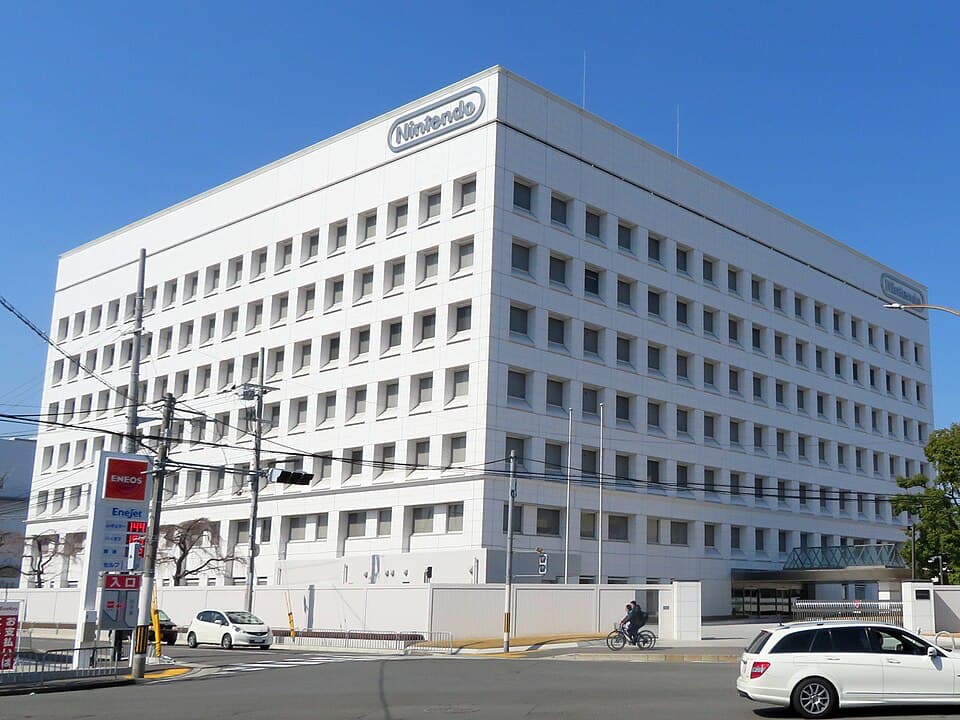
Nintendo’s global consolidated workforce reached 8,666 employees at the end of March 2026, with 3,084 at Nintendo Co., Ltd. itself. That split is the clearest sign that the company is still centered in Kyoto, but no longer runs as a single-site business. Its principal offices include Kyoto headquarters, a development center, the Uji Plant and a Tokyo branch, alongside operations in Redmond, Frankfurt am Main, Burnaby, Scoresby, Seoul, Hong Kong, Taipei and Singapore.
The operating model behind that footprint is easy to miss if Nintendo is viewed only as a Kyoto publisher. FY2026 net sales rose to 2,313.0 billion yen, up 98.6% from the prior year, and 76.9% of those sales came from outside Japan. Sales in the dedicated video game platform business climbed 106.7%, driven by Nintendo Switch 2. That kind of revenue mix means development, localization, regulatory review, merchandising and market support cannot sit in one country and wait for handoffs. Kyoto may still set the pace, but regional offices are part of how launches become global products.
The office map also shows where Nintendo keeps execution close to the business. Redmond handles North American operations, Frankfurt anchors Europe, Burnaby covers Canada, Scoresby serves Australia, and Seoul, Hong Kong, Taipei and Singapore extend the company’s reach across Asia-Pacific. Nintendo’s affiliated-company list mirrors that structure, with Nintendo of America Inc., Nintendo of Canada Ltd., Nintendo of Europe SE, Nintendo Australia Pty Limited, Nintendo of Korea Co., Ltd., Nintendo (Hong Kong) Limited, Nintendo of Taiwan Co., Ltd. and Nintendo Singapore Pte. Ltd. all part of the network. For developers, testers and localization staff, that setup means products move through multiple offices before they reach players, with regional teams shaping timing, terminology and support.

The company is also still building out its Kyoto base rather than freezing it in place. On June 25, 2026, Nintendo posted a construction update for its Technology Development Center, a reminder that headcount growth and platform growth are being matched by physical expansion. The Uji site adds a different layer of continuity: Nintendo’s museum materials say the Uji Ogura Plant began as a factory at company headquarters and still makes playing cards and karuta cards. That mix of old manufacturing and new development captures how Nintendo keeps legacy production, game creation and global distribution under one corporate roof.
Nintendo’s sustainability pages, updated June 26, 2026, put employee well-being, workplace health and safety, human resource development, compliance, supply-chain procurement and governance in the same frame. The message is straightforward: at a company of this scale, people management is not separate from product delivery. It is part of the operating system that has to keep Kyoto, Tokyo and the overseas offices moving in sync.
This article was produced by Prism’s automated news system from verified source data, official records, and press releases, then run through automated quality and moderation checks before publishing. The system is built and supervised by the people who set the standards it runs under. Read our full AI policy.
Did this article answer your question?