Microsoft's Project Helix shows Nintendo a more integrated console model
Microsoft’s Helix push is a console story with a workplace lesson: hardware, studios, and publishing are being coordinated years earlier than Nintendo’s old playbook.
Microsoft’s Project Helix is a workplace story as much as a hardware one. Xbox is showing how a rival platform holder can pull hardware teams, first-party studios, and publishing into the same room years before launch, and that is the part Nintendo should be watching most closely.
Helix is really about decision-making speed
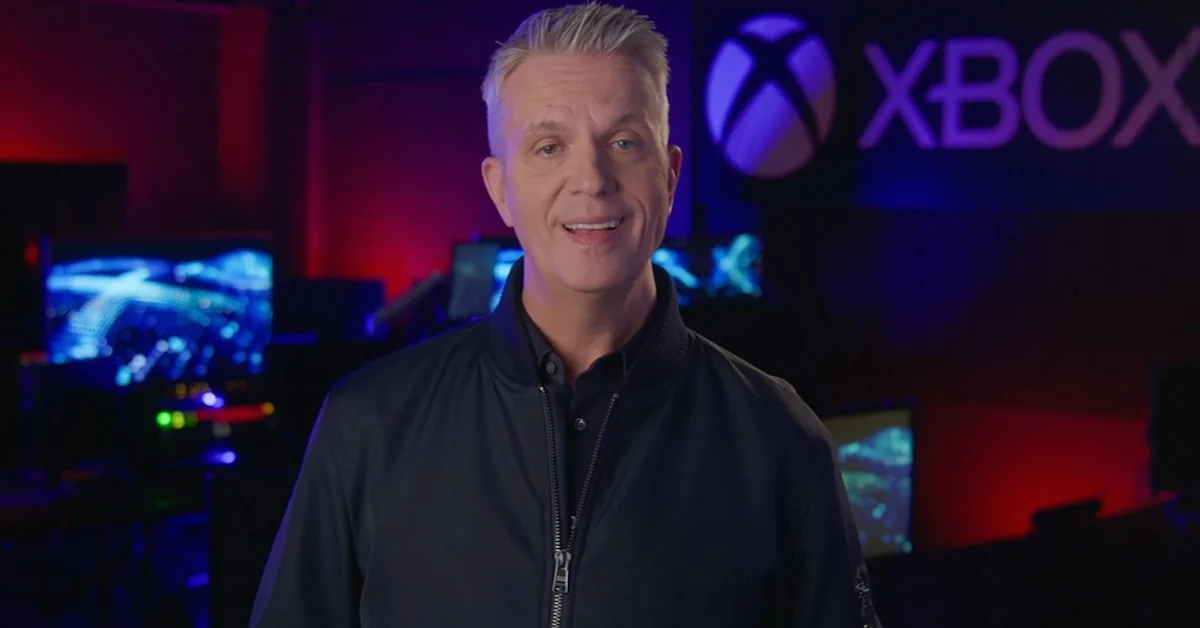
Matt Booty’s message is not about a prettier box or a louder spec sheet. It is about structure. Xbox says its hardware group and game-development group sit inside the same organization, and that teams are already involved in visioning, planning, and spec discussions while the next console is still far from market. That kind of setup can shorten the distance between an idea, an engineering decision, and a content plan, which is exactly where large platform companies often lose time.
Booty also framed Xbox as a culture of cultures, with a central structure that helps studios communicate and share work without flattening what makes each team distinct. For people building games, testing them, localizing them, or coordinating launch plans, that matters because it changes when the hard conversations happen. Instead of discovering late that a feature, pipeline, or service promise does not fit the hardware roadmap, teams are being asked to work through those constraints earlier.
Project Helix ties hardware and software together on purpose
Project Helix is designed to play Xbox console and PC games, which makes it more than a standard next-box refresh. Xbox says the system uses a custom AMD SoC co-designed for the next generation of DirectX and FSR, and that alpha hardware will go to developers beginning in 2027. That schedule says a lot about how Microsoft wants the next cycle to work: the hardware target is being shaped alongside the software stack, not after it.
The broader platform picture is just as important. Xbox says its support will span four generations of Xbox, and Xbox Play Anywhere now covers more than 1,500 games. Add in the multi-year AMD partnership announced in June 2025, which covers future first-party consoles, handhelds, PC, cloud, and accessories, and the strategy becomes clear: Microsoft is treating the platform as an ecosystem with shared silicon, shared services, and shared compatibility goals.
For developers, that usually means fewer isolated bets. For production, it means more early alignment between engineering and content. For QA and localization, it can mean a steadier target across launch windows instead of a last-minute scramble around a moving platform definition.
Why Nintendo should read the Switch 2 rollout through the same lens
Nintendo already knows what it means to coordinate a platform transition across hardware, software, and services. It announced Switch 2 on January 16, 2025, said it would arrive in 2025, then later confirmed a June 5, 2025 U.S. launch at $449.99. It also set a Mario Kart World bundle at $499.99, and said the system would support Switch 2 exclusive games as well as many physical and digital Nintendo Switch games.
That launch pitch was never just about the machine. It also introduced GameChat and other social features, which is a reminder that Nintendo’s hardware message now reaches into platform behavior, not only game performance. When a company is trying to bring a new system to market, every extra feature has to be aligned with development, testing, content ratings, regional rollout, and customer support. That is the same kind of integration Microsoft is leaning into with Helix, only with a different internal rhythm.
The comparison is useful because Nintendo’s culture has long valued clean creative ownership and careful quality control. That works well when the company wants strong identity across hardware and software, but it can also slow the pace of cross-team coordination if the seams are too visible. Microsoft’s model suggests a different tradeoff: more central alignment, earlier shared planning, and a stronger expectation that hardware and studios will shape one another from the start.
The real competitive edge is organizational, not cosmetic
The clearest signal in the Microsoft story may be the way different studios are already being shared across projects. Blizzard is helping Playground Games on Fable, and Rare is supporting Double Fine on Kiln. Those examples matter because they show multi-studio collaboration becoming a normal part of platform execution, not an emergency rescue move. If Xbox can move talent across internal teams without erasing each studio’s identity, it gains a flexible way to absorb deadlines, spread expertise, and keep major projects moving.
That is the underlying workplace lesson for Nintendo. Platform leadership is no longer just about who has the most recognizable franchises or the most polished device launch. It is about how efficiently a company can marshal engineering, content, and launch planning into one coordinated motion.
Nintendo’s FY2025 dedicated video game business generated 1,083.5 billion yen in sales, down 30.9% year on year, during the transition toward Switch 2. Nintendo’s own hardware base is enormous, with Switch hardware at 155.37 million units and Switch 2 hardware at 17.37 million units in its dedicated video game sales units data. In a business that large, even small coordination gains can change how smoothly a platform transition lands.
That is why Helix matters to Nintendo. Not because it predicts the next device, but because it shows the next contest is being fought inside the organization chart. The company that can line up hardware, software, and studio work earliest will set the pace long before players see the final product.
Know something we missed? Have a correction or additional information?
Submit a Tip