Nintendo Australia Spotlights Splatoon Raiders, Music Updates, and Member Rewards
Nintendo Australia’s April Switch Online magazine is a retention play in plain sight: one monthly package that keeps members checking back for games, music, events, and rewards.
A monthly format that does more than announce news
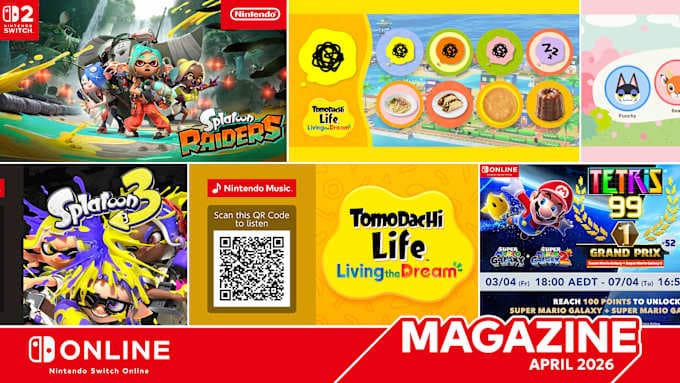
Nintendo Australia’s April edition of Nintendo Switch Online Magazine is a reminder that subscription value is not built only by headline releases. It is built by repetition, by a predictable rhythm that gives members a reason to check in even when the biggest game of the season is still months away.
That is the real business lesson in this page. The magazine works like a monthly touchpoint for Nintendo Switch Online members in Australia and New Zealand: it bundles what is new, what is next, and what is still active into a format that is easy to scan and hard to ignore. For Nintendo teams, that matters as much as any major launch because it keeps the service visible in the gap between tentpole releases.
Splatoon Raiders is the anchor, but not the whole story
The clearest headline is Splatoon Raiders, which the magazine says launches July 23, 2026. Nintendo’s Australian store page also lists the game as available on 23/7/2026 and describes it as a new single-player-focused Splatoon game coming exclusively to Nintendo Switch 2. That framing is important: it gives the service a forward-looking hook while also tying the game to Nintendo’s current hardware strategy.
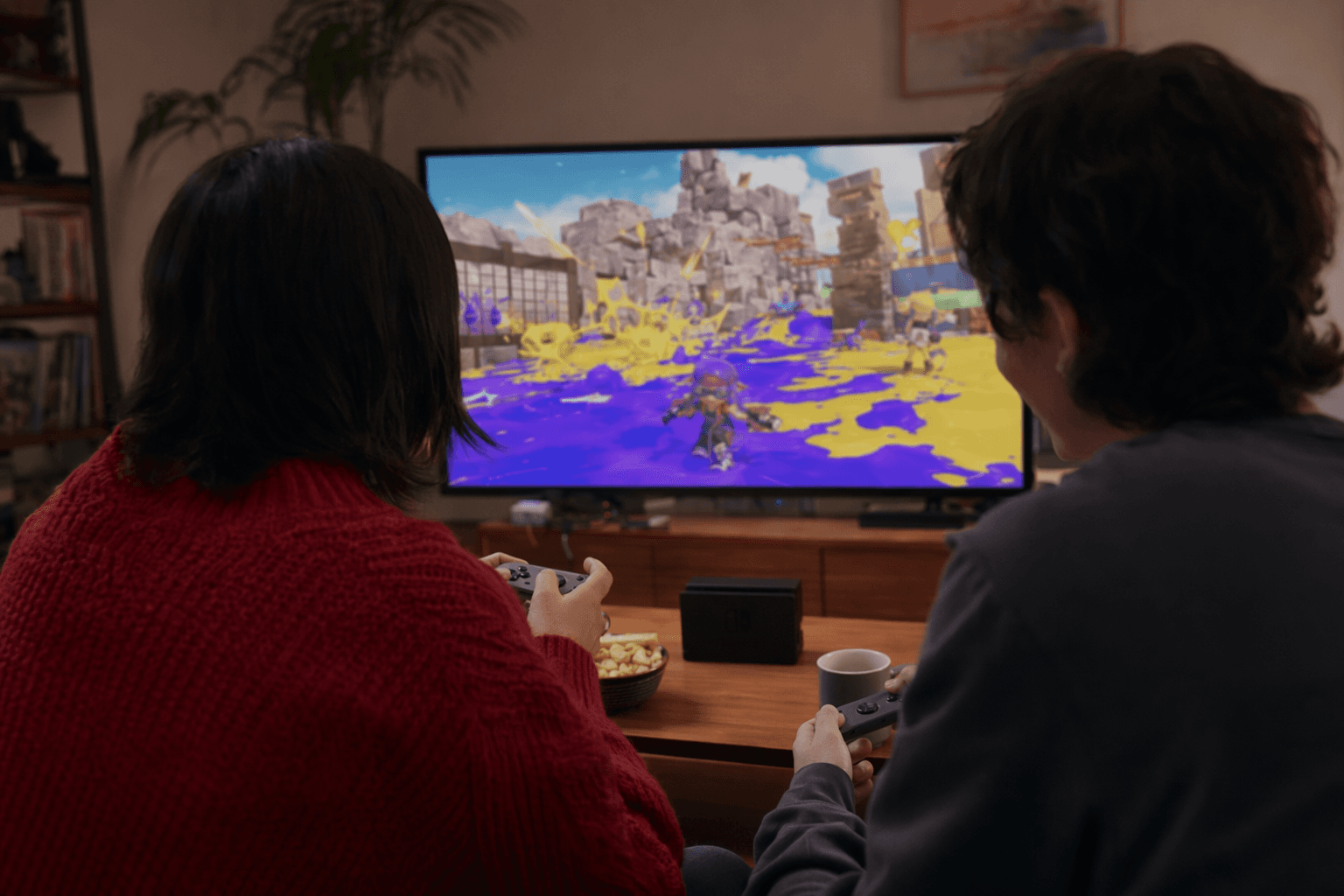
Nintendo Australia’s separate game-news post adds a more concrete picture of what players will actually do. Deep Cut is at the center of the story, and the mission involves raiding islands for salvage, hunting treasure, and fighting Salmonids. That matters for development, marketing, and live-ops teams alike because it shows how Nintendo can extend a familiar franchise through a new format without losing the identity that makes the series recognizable.
For employees inside Nintendo, the takeaway is simple: a subscription page does not have to compete with a new release. It can amplify one. Splatoon Raiders gives the magazine a future-facing headline, but the real value comes from how that headline is surrounded by other reasons to stay engaged now.
Music, classics, and events keep the service moving
The magazine does not stop at one upcoming game. It also points members toward new Nintendo Music tracks from Splatoon 3, Animal Crossing Special Release, Tomodachi Life: Living the Dream, and Mario Tennis Aces. That mix is smart because it reaches different parts of the catalog without needing a separate campaign for each title.
For a quality-first company like Nintendo, this is a useful reminder that old content can still do new work. Music additions are lightweight, but they keep franchises culturally present. They also give players a low-friction way to engage with the brand in a way that fits daily life, whether that means listening while commuting, working, or winding down at home.
The same logic applies to the new additions to the NES Classics library. These are not blockbuster launches, but they are part of the service’s ongoing promise: there is always something extra inside the membership if you bother to look. That is especially relevant for developers and producers who think about catalog management, because it shows how older content can be repackaged into recurring value instead of fading into the background.
Why the event calendar matters to retention
The April edition also highlights online events and challenges such as Splatoon SpringFest and the Elite Challenge. This is where Nintendo’s subscription rhythm gets more interactive. Members are not just reading about content they can buy later; they are being nudged into participation, competition, and shared timing.
That matters for the teams who build and support Nintendo Switch Online because events create a reason to return on a schedule. A monthly magazine can surface the event, the event can create activity, and the activity can feed the sense that the service is alive. For a platform that lives between major software drops, that loop is often more valuable than a single burst of attention.
The magazine also references rewarded participation, including Platinum Points and special icon parts distributed to members who took part in the event. Those rewards are small on their own, but they are effective because they translate participation into visible status and useful perks. In other words, Nintendo is not only asking members to show up. It is giving them something immediate in return.
Platinum Points are a quiet but important part of the value chain
Nintendo’s store explains that My Nintendo Platinum Points are earned by completing missions, using various services, or as prizes for certain promotions and tournaments, and they can be redeemed for rewards. That is a practical retention tool hiding in plain sight. It turns routine engagement into a currency that members can spend, which makes the service feel less abstract and more transactional in the best possible way.
For business and marketing teams, this is a good example of how Nintendo can make membership feel durable without overcomplicating it. The points system works because it rewards behaviors the company already wants: opening the service, joining events, trying features, and returning regularly. For QA, localization, and support teams, that same logic means more recurring touchpoints to keep polished, because every small reward becomes part of the customer’s sense of whether the service is worth staying in.
The 2026 edition fits into a longer cadence
This is not a one-off experiment. Nintendo Australia also published an April Edition of Nintendo Switch Online Magazine in 2025, which highlighted Nintendo Switch 2-related benefits and Nintendo GameCube coming to Nintendo Classics on Nintendo Switch 2. That earlier edition shows the same pattern: a monthly recap that bundles hardware messaging, service benefits, and catalog reminders into one predictable format.
That continuity is the point. The April 2026 edition is not trying to reinvent the service every month. It is teaching members a habit. They learn that each edition will tell them what is newly available, what is coming soon, and what they can do right now. For Nintendo teams, especially those working on live services and membership, that is a useful model because consistency can be more valuable than novelty when the goal is retention.
What Nintendo teams should take from this
The magazine is a tidy case study in subscription design. It shows how a service can stay relevant through a mix of practical utility and emotional payoff: new tracks, classic games, live events, and small rewards that feel connected to play. It also shows how a familiar monthly format can make the service easier to remember, easier to use, and harder to cancel.
For developers, it is a reminder that older content does not need to sit idle. For marketing and community teams, it is proof that lightweight packaging can be as important as a major launch. And for anyone working on Nintendo Switch Online, the lesson is even clearer: the service stays valuable when it gives members a reason to return before the next big game arrives.
Know something we missed? Have a correction or additional information?
Submit a Tip