Nintendo’s polished games reflect a production process built for quality
Nintendo’s best releases are built as much on process as on polish. The lesson for producers and dev leads is simple: fewer surprises, less crunch, cleaner launches.
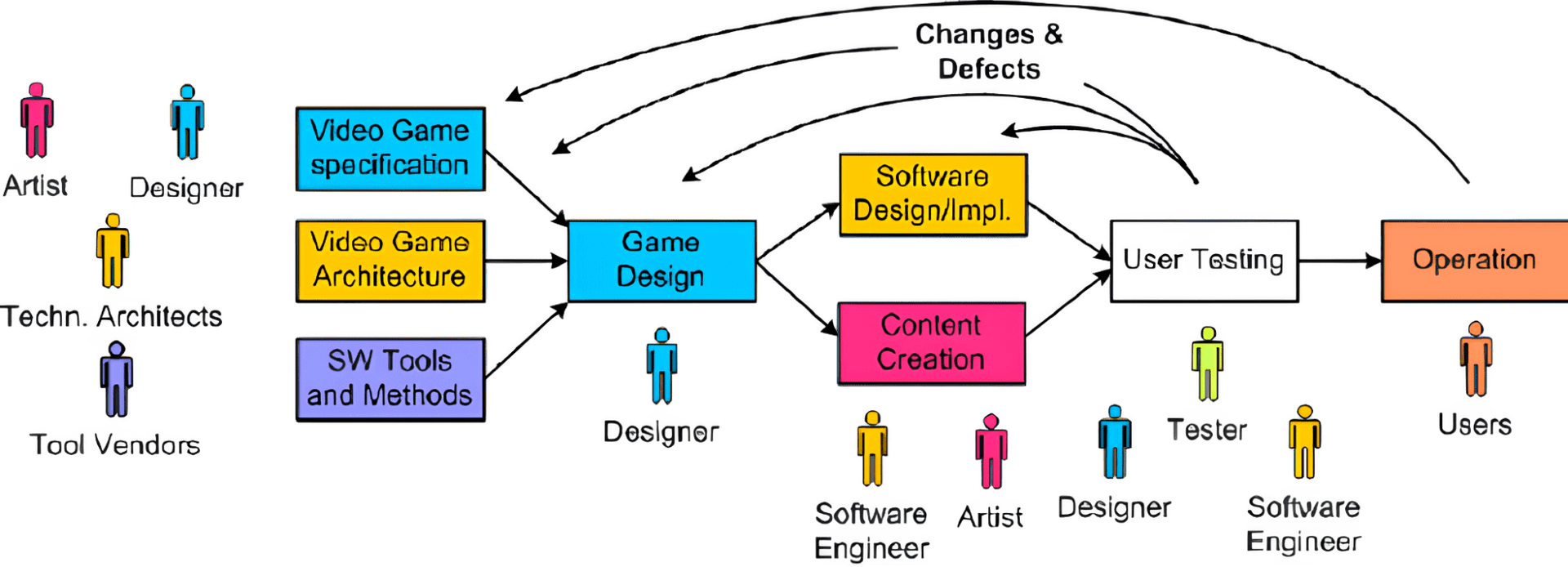
Process quality is part of product quality
Nintendo’s polished games do not happen by accident. The clearest lesson from the GDC session on Designing a Production Process is that a strong production system can be the difference between a “Good.” final product and a “Great!” one. That matters in a company built around long development cycles, careful timing, and a reputation for shipping only when the work feels ready.
For Nintendo teams, that framing is more than abstract conference wisdom. The company’s own developer portal says a game must be submitted for review before it can be published, and that the review exists to make sure the game can be safely played and conforms to Nintendo production standards. In plain terms, the bar is not just “is it done?” It is “is it safe, consistent, and ready for Nintendo’s standards across the whole launch chain?”
Why production is a quality function, not an admin function
The most useful idea in the session is that production is not paperwork sitting beside development. It is the system that makes development usable. If the process is weak, even a strong game can get dragged down by rework, missing information, late surprises, and avoidable cross-team friction. If the process is strong, teams spend less time untangling the work and more time improving the game.
That is especially relevant at Nintendo, where software, hardware, marketing, localization, QA, and regional release timing often have to move together. The company’s public release schedule even warns that dates may change at any time without notice, a reminder that launch planning is fluid even for a platform holder with enormous discipline. For producers and dev leads, the practical lesson is to treat schedule risk as normal and build a process that can absorb change without turning every adjustment into a fire drill.
Principle 1: Build the roadmap early, then keep it visible
The Producer Bootcamp session goes straight at one of the biggest sources of confusion on large teams: producers sit at the nexus of information. They are responsible for day-to-day tasks, multi-year roadmaps, and decisions about what gets shared, when it gets shared, and how it gets communicated. That makes production less about chasing status and more about creating a shared map of the work.
For Nintendo producers and dev leads, the next-sprint takeaway is simple: make the roadmap a living object, not a presentation that gets forgotten after the meeting. If QA knows what is changing, localization knows what still needs text lock, and design knows which features are truly frozen, the team spends less time reacting and more time shipping. That is how you reduce crunch before it starts.
Principle 2: Clarify ownership before the work gets expensive
Poor information flow creates tension because people fill in gaps with assumptions. The session’s emphasis on communication shows why producers matter when a project begins to splinter into specialties. The earlier ownership is clear, the less likely teams are to duplicate work, wait on each other, or discover late that two groups interpreted the same milestone differently.
For a Nintendo team, that means defining who owns the decision, who owns the implementation, and who needs to be informed. A producer does not need to micromanage every asset or line of text, but they do need to make sure no one is guessing about the approval path. That is especially important when a game must satisfy production standards before publication and when release timing can shift. A clear chain of responsibility keeps those shifts from becoming chaos.
Principle 3: Treat review and compliance as part of development, not a final hurdle
Nintendo’s developer portal is unusually blunt about the review step: before publication, the product must be submitted to Nintendo for review. The point is safety and conformity with Nintendo production standards. That instruction should shape how teams work from the start, not just how they behave at the end.
The next sprint takeaway for producers and dev leads is to move review thinking upstream. If a team knows what Nintendo will examine, then compliance, stability, and platform expectations become part of feature planning, not a last-minute scramble. That reduces rework, which is one of the fastest routes to crunch. It also makes the final approval step feel less like a wall and more like the last check on a process that has already been built correctly.
Principle 4: Let quality gates protect the team’s time
Nintendo’s corporate language around consumer peace of mind is revealing. The company says it engages in development, production, and after-sales service to provide high-quality products so consumers can enjoy them with peace of mind. That is a product promise, but it is also an internal operating principle. A team that relies on quality gates is a team that is trying to prevent rushed fixes from landing after launch.
For developers, designers, QA, and localization staff, the practical benefit is predictable work. If gatekeeping is done well, teams avoid the expensive kind of late-stage work that comes from skipping checks earlier. The right gate at the right time protects both the player experience and the workforce’s bandwidth.
Principle 5: Polish is a planning discipline
Nintendo leadership has said the quiet part out loud. In shareholder materials dated November 6, 2024, Shigeru Miyamoto said, “The more you polish something that has never existed before, the more value it brings.” That line captures why Nintendo’s best-known projects often take so long: polish is not cosmetic, it is part of the value proposition.
The company’s Ask the Developer interviews reinforce that mindset by treating development as a craft process rather than a simple scheduling exercise. The series has long documented how Nintendo thinks about making games, and its coverage of The Legend of Zelda: Tears of the Kingdom underscores how a direct sequel to Breath of the Wild, which released in 2017, can require years of sequencing across design, technology, and content. For Nintendo teams, the lesson is not to work slower for its own sake. It is to understand that polish has to be budgeted, sequenced, and protected if it is going to survive the pressures of an immovable launch date.
What Nintendo teams can apply next sprint
The most useful way to read the GDC session is as a work plan, not a theory piece. Next sprint, Nintendo producers and dev leads can put the lesson into practice by doing three things:
- Lock the information flow. Make sure each function knows what changed, what is frozen, and who signs off.
- Pull review criteria forward. Use Nintendo’s standards as development inputs, not endgame surprises.
- Protect polish with structure. Reserve time for refinement so quality does not compete with launch discipline.
That is the deeper takeaway from both the GDC session and Nintendo’s own public posture. At a company where quality has to survive hardware coordination, regional release timing, and strict review standards, the production process is not a backstage detail. It is part of how Nintendo keeps its promises, and part of how teams avoid paying for bad process with crunch, rework, and confusion.
This article was produced by Prism’s automated news system from verified source data, official records, and press releases, then run through automated quality and moderation checks before publishing. The system is built and supervised by the people who set the standards it runs under. Read our full AI policy.
Did this article answer your question?
