Nintendo Australia spotlights Switch 2 variety with May 2026 releases
Nintendo Australia's May slate shows Switch 2 is becoming a broad third-party destination, raising the stakes for publishing, QA, and merchandising teams.
Switch 2’s May calendar looks built for range, not just one headline
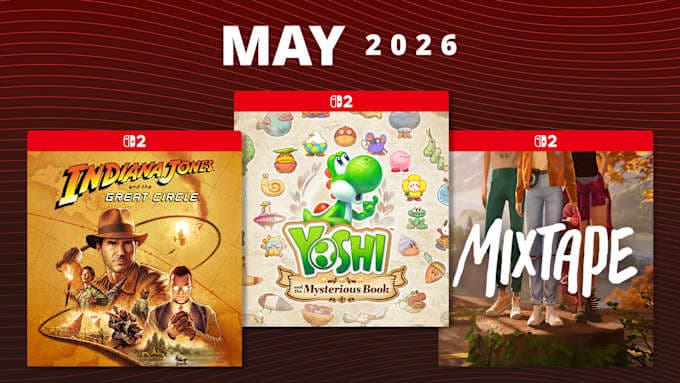
Nintendo Australia’s May 2026 roundup makes a clear platform statement: Switch 2 is being treated as a place for variety, not only a stage for Nintendo’s own marquee franchises. The official Australian coming-soon pages for the month include Mixtape, Indiana Jones and the Great Circle, Call of the Elder Gods, Total Chaos, MotoGP 26, Amnesia: Rebirth, and more, alongside a Yoshi-led release that helps anchor the lineup in familiar Nintendo territory.

A lineup that spans genres and audiences
The shape of the month matters because it stretches across several very different play styles. One title leans on narrative and memory, another on licensed action-adventure, others on horror, puzzle atmosphere, or racing, and that blend is exactly what gives a platform a fuller identity. For Nintendo employees, especially those in publishing, partner management, and regional operations, the signal is simple: the audience is not being asked to choose between “Nintendo games” and everything else. It is being invited to expect a regular cadence of credible third-party releases that sit beside first-party work.
That is a meaningful shift for the teams closest to the platform. Developers and designers inside Nintendo have long lived with a quality-first reputation and a franchise legacy that sets a high bar for polish, but a broader calendar means the platform has to support a wider mix of genres without losing coherence. The job is no longer only to make mascot-driven releases shine. It is also to make sure ports, licensed titles, and smaller original projects feel technically solid, visible in the store, and easy for players to trust.
Indiana Jones gives the month a blockbuster anchor
Bethesda Softworks adds the clearest example of how third-party support is evolving on Switch 2. The publisher confirmed that Indiana Jones and the Great Circle is coming to Nintendo Switch 2 on May 12, 2026, and that The Order of Giants DLC is dated for the same day. Bethesda has also said the game first released on Xbox Series X|S and PC in 2024, then arrived on PlayStation 5 in 2025 before its Switch 2 version in 2026.
That release path is important for Nintendo teams because it shows a major external publisher treating Switch 2 as part of a standard premium rollout, not an afterthought. It also widens the work for support teams inside Nintendo and its regional offices: a title like Indiana Jones demands store placement, campaign timing, certification readiness, age-rating coordination, and localization that can keep pace with a high-profile launch. Bethesda has separately said Fallout 4: Anniversary Edition and The Elder Scrolls IV: Oblivion Remastered are also coming to Switch 2 this year, reinforcing that Indiana Jones is part of a larger pipeline rather than a one-off exception.
What the business data says about the platform shift
Ampere Analysis argues that Switch 2 is becoming more important in multi-platform release strategies because of two things at once: the original Nintendo Switch’s enormous installed base and the new hardware’s improved technical capabilities. Ampere says the original Switch reached 154 million units in consumers’ hands by the end of 2025, a scale that still matters when publishers are deciding where to spend development and marketing dollars.
Ampere also reported that, after Switch 2 launch, third-party sales on Nintendo platforms grew 76% year on year as premium titles arrived. That is the kind of number that changes how publishing teams inside Nintendo think about calendar planning. It suggests that third-party publishers are not merely testing the waters, but seeing real consumer spend potential on the platform. For store merchandising and digital storefront teams, that means release timing, category placement, and regional visibility become more than routine support work. They become part of the conversion funnel.
What this means for Nintendo’s day-to-day work
For the people building and supporting the platform, a month like this creates practical consequences across departments:
- Publishing and partner management need to keep a wider slate moving, from narrative indies to licensed blockbusters and horror titles, while preserving strong relationships with third-party studios.
- QA and localization face a steadier stream of content that has to be tested, translated, certified, and supported on time, with fewer gaps between releases.
- Merchandising and retail teams have to present a fuller year-round ecosystem, not just a season built around one first-party tentpole.
- Product and platform teams have to make sure Switch 2’s technical consistency is strong enough that very different genres still feel native to the hardware.
That wider workload is also why the month carries strategic weight beyond sales charts. Nintendo has said Switch 2 has the largest third-party software lineup for any new Nintendo hardware launch, and May’s mix fits that claim. The lineup shows a platform that can host familiar franchises and new experiences without forcing everything into the same mold, which is good news for players and a real operational challenge for the teams that have to keep the ecosystem coherent.
The bigger signal for Nintendo
The most important takeaway from Nintendo Australia’s May roundup is not simply that several titles are arriving in one month. It is that the calendar reflects a platform becoming broad enough to support different creative identities at once. A Yoshi game, Indiana Jones, Mixtape, Call of the Elder Gods, and a racing sim do not compete for the same audience in the same way, but together they create the kind of software mix that makes a console feel alive between major first-party launches.
For Nintendo employees, that is the work ahead: maintain the standards tied to the company’s legacy while supporting a Switch 2 ecosystem that increasingly looks like a home for publishers with very different ambitions. The platform is no longer being measured only by how its own franchises perform. It is also being measured by how well it can carry everyone else’s best ideas.
This article was produced by Prism’s automated news system from verified source data, official records, and press releases, then run through automated quality and moderation checks before publishing. The system is built and supervised by the people who set the standards it runs under. Read our full AI policy.
Did this article answer your question?