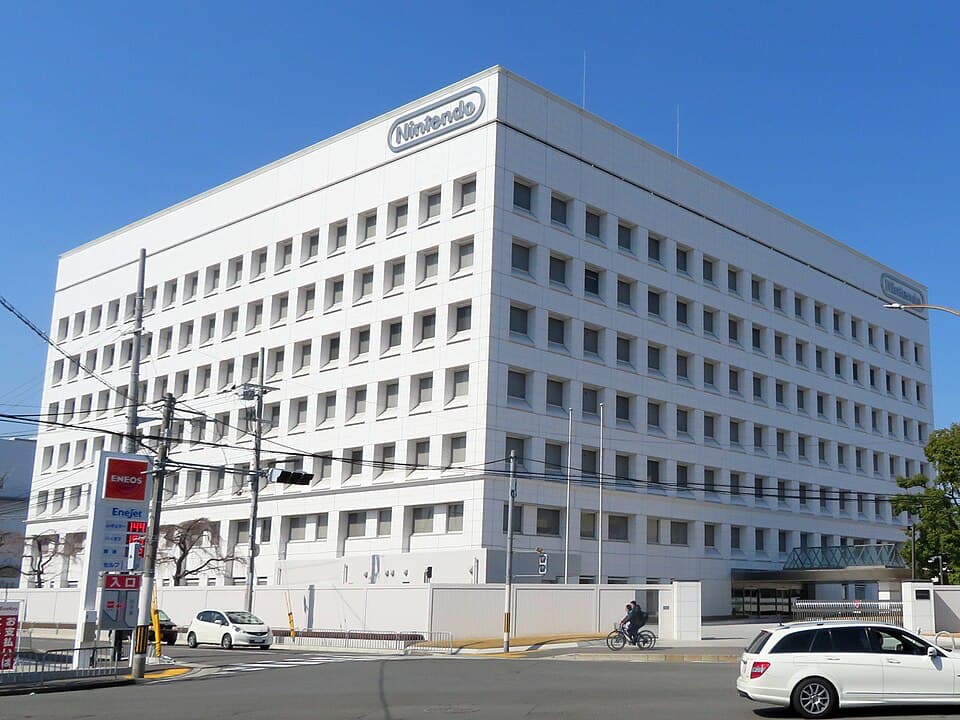
Nintendo Canada highlights regional marketing, sales and distribution operations
Nintendo of Canada is more than a sales outpost. It shows how regional teams shape launches, localization, retail, and career paths between Japan HQ and players.
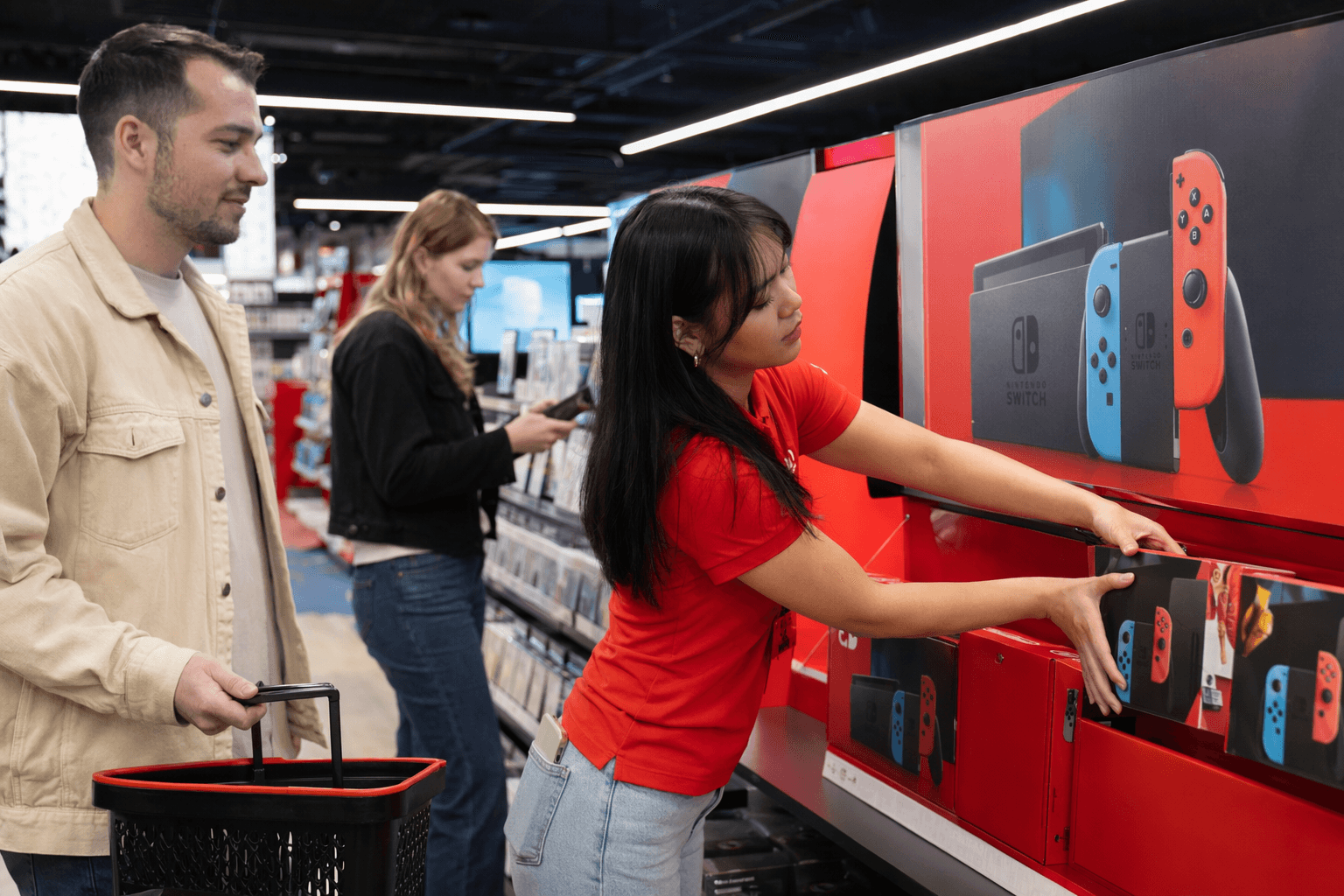
A regional office with real operating power
Nintendo of Canada is a small piece of the company on paper and a meaningful one in practice. The office, headquartered in Burnaby, British Columbia, is responsible for the marketing, sales, and distribution of Nintendo hardware, accessories, and first-party games in Canada. That means the Canadian business is not just a mailbox for products made elsewhere. It is part of the machinery that decides how Nintendo reaches players, how products move through retail, and how the brand is presented in a market with its own language, geography, and consumer expectations.
That structure matters because it shows how Nintendo actually runs across borders. The work does not stop when a game is finished in development or approved in Japan. Regional teams handle the final mile, the part where a finished product becomes something a customer can find, understand, and buy. In a company built around quality-first franchises, that final mile is where brand promise meets operational reality.
Why the Canadian model matters for work
Nintendo of Canada is a useful case study in organizational design because it reveals the kinds of jobs that keep a global entertainment business functioning. Marketing teams are not just pushing ads. They are aligning launch plans with local retail calendars, consumer demand, and territory-specific messaging. Sales and distribution teams are dealing with inventory, product availability, and the practical friction of moving physical goods across a large country with distinct retail channels.
That is important for employees in business, publishing, and localization roles because it makes the regional office a decision-making center, not a back-office afterthought. A launch strategy that works in the United States may need different packaging, timing, or channel support in Canada. A franchise can be globally consistent and locally adapted at the same time, and that balance depends on people who understand both Nintendo’s brand standards and the market they serve.
The takeaway for developers and designers is just as relevant. Regional operations sit between creative work and customer experience. If the Canadian team cannot execute cleanly on distribution, messaging, or support, the player never sees the game in the intended form. That makes regional offices part of product delivery, not separate from it.
Burnaby, Vancouver, and the physical footprint of a regional business
Nintendo’s Canadian presence is also anchored in a real place, not just a web domain or a service label. The company identifies Nintendo of Canada Ltd. as headquartered in Burnaby, and Canadian support materials have long pointed to a Vancouver-area office address, including 2925 Virtual Way Suite 150, Vancouver, BC V5M 4X5. That physical footprint matters because it signals continuity. Nintendo has maintained a Canadian base for customer service and regional operations, which gives the market local accountability instead of routing every issue through a distant center.
That local base also hints at the kind of work that lives there. Customer support, regional operations, and market coordination all tend to be invisible until something breaks, but they are core to how a brand preserves trust. In a consumer business built on repeat purchases and franchise loyalty, a Canadian office is not just administrative convenience. It is part of the service layer that keeps the company close to players and retailers.
Bilingual commerce is part of the job, not an accessory
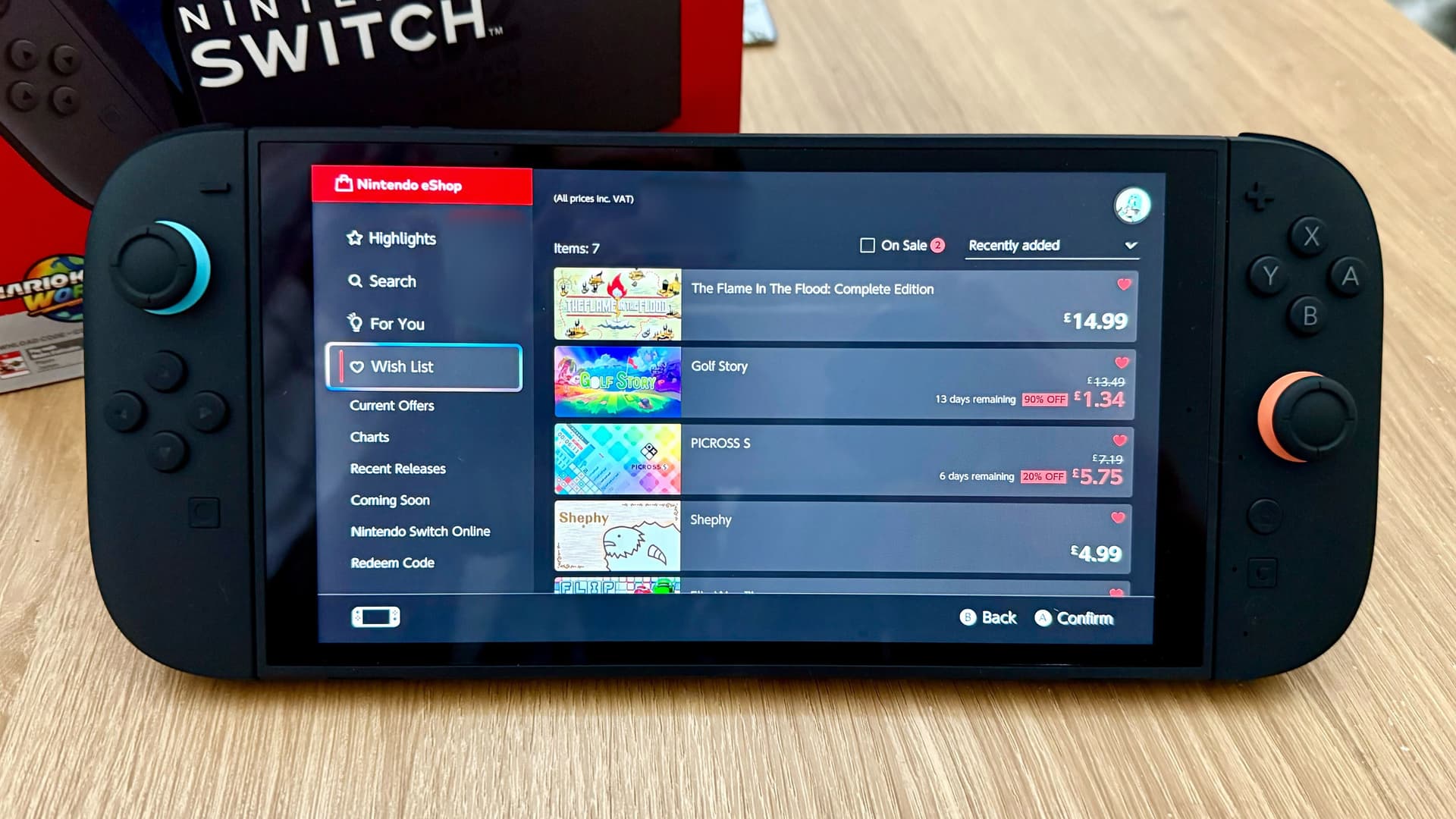
Canada’s bilingual reality is built directly into Nintendo’s storefront and region structure. The company separates Canada English and Canada Français in its region selector, and the Canadian storefront is available in both English and French. Nintendo also offers a French Language Pack product page, which is a small but telling signal about how localization extends beyond software text and into the shopping experience itself.
That matters for employees because bilingual support changes how products are merchandised, described, and sold. Localization is not only about translating dialogue or interface text. It also shows up in storefront presentation, customer service, packaging decisions, and the practical details that help a French-speaking customer navigate the brand without friction. The fact that Canadian support materials have indicated French and Spanish are spoken on customer service lines in some historical service listings reinforces how service design can become a competitive advantage when it reflects the market rather than assuming one language fits all.
This is where regional operations become a career path in their own right. Localization specialists, publishing managers, retail planners, and customer support leads all work in the space between global consistency and local usability. At Nintendo, that space is not peripheral. It is part of how the company protects quality at scale.
What Nintendo’s North American history says about regional power
Nintendo’s own history shows that this cross-border model has been important for decades. The company’s official history page notes that Nintendo launched the NES in North America in 1985, and that Reggie Fils-Aimé was appointed President and COO of Nintendo of America in 2006. Those milestones are more than corporate trivia. They show that Nintendo has long treated North America as a serious operational theater, with leadership and cadence that matter across the region.
That context helps explain why offices like Nintendo of Canada exist as meaningful nodes in the business. North American launches are not only about one country, one language, or one sales plan. They involve a web of regional execution across retail, marketing, publishing, and support. When a company has spent decades managing a franchise business across borders, local offices become a way to keep the brand responsive without losing control of the core experience.
What this means for people inside the company
For someone working in game development, Nintendo of Canada may look remote from the creative center. It is not. The office reflects the broader reality that a successful game business needs commercial and operational specialists as much as it needs designers and engineers. The people who manage Canadian launches, bilingual storefronts, and distribution planning help determine whether a product lands cleanly in market or feels awkwardly imported.
For business professionals, the lesson is even clearer. Nintendo’s regional model creates room for careers in marketing, sales, logistics, publishing, localization, and customer service that are fully inside the company’s value chain. Those jobs may not involve making the game itself, but they shape how the game reaches the customer, how the brand is experienced, and how efficiently the company turns creative work into a market result.
That is the quiet significance of Nintendo of Canada. It shows how a global company keeps local markets legible, how it builds accountability without fragmenting the brand, and how cross-border work can be just as central to Nintendo’s success as the franchises that sit on the shelf.
This article was produced by Prism’s automated news system from verified source data, official records, and press releases, then run through automated quality and moderation checks before publishing. The system is built and supervised by the people who set the standards it runs under. Read our full AI policy.
Did this article answer your question?