Nintendo job posting reveals hidden operations behind game launches
Nintendo’s ops posting shows launches depend on secure hardware handoffs, portal access, and support work that most players never see.
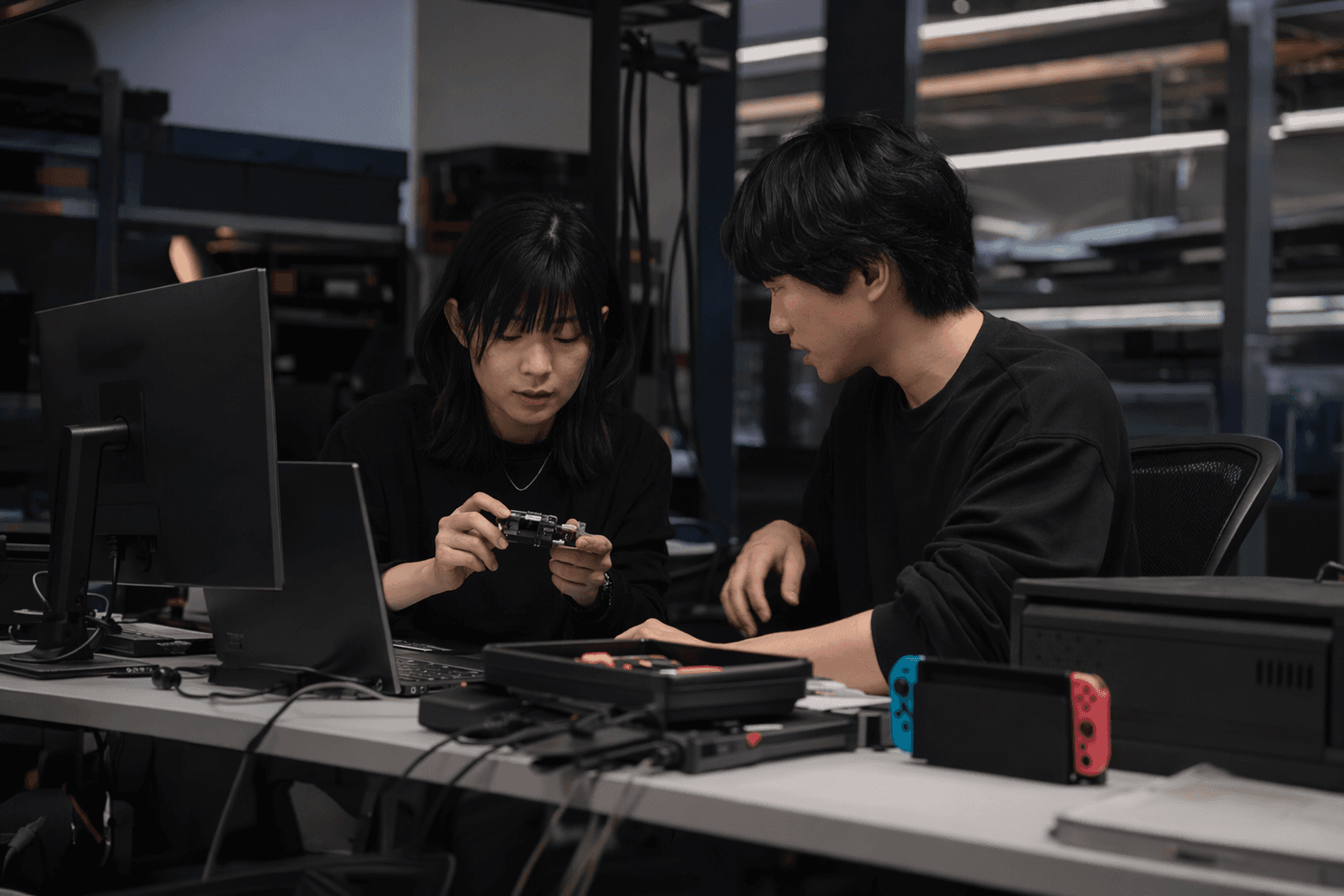
Hidden infrastructure, not hidden talent
A game launch at Nintendo depends on far more than code, art, and approvals. The Development Operations Coordinator posting is a rare look at the machinery underneath the release, where secure hardware handoffs, software distribution, and internal support keep projects moving before a player ever sees a menu screen.
That matters because Nintendo’s public careers page shows the company is still hiring across both consumer-facing and engineering-adjacent work, with 39 open roles at Nintendo of America and 12 at Nintendo Technology Development. The signal is bigger than one posting: Nintendo continues to run a launch pipeline that needs people who can keep systems, kits, and teams aligned under tight controls.
What the role actually does
The posting points to a job built around pre-release product security, development hardware and software distribution, IT infrastructure support, software engineering for tool and application creation, activity support, and developer guideline workflows. It also says the coordinator will plan and execute the receipt, tracking, and transfer of development hardware and software systems that are instrumental to game development activities.
That mix tells you a lot about how Nintendo works. This is not a narrow admin role, and it is not a pure engineering role either. It sits in the middle, where launch readiness depends on the right tools reaching the right people at the right time, with the right permissions and the right records attached.
For workers in QA, production, or operations, the lesson is straightforward: if those handoffs slip, development velocity slows, guideline adherence gets messy, and launch risk rises. In a quality-first environment, operations discipline is part of product quality, not separate from it.
Why Nintendo’s ecosystem makes this job unusually important
Nintendo’s Developer Portal shows why access management matters so much. Developers can use documents, forums, and software development support, but access to Nintendo Switch information requires a separate application after registration. The portal’s FAQ says registering and downloading tools is free, but development hardware is a separate cost, which means access, equipment, and workflow are deliberately split.
That structure creates a gated ecosystem that depends on careful administration. The portal also says that as of March 25, 2021, new development is only possible for Nintendo Switch, while Nintendo 3DS and Wii U development is limited to those who already purchased development hardware. When hardware is mandatory and access is controlled, the people who track, transfer, and secure that hardware become central to the development cycle.
The same ecosystem supports both digital and physical publishing, and it includes development environments such as Unity and native C++ software development. In other words, the operations layer has to serve multiple teams, multiple toolchains, and multiple publishing paths without losing control of what goes where.
Security, compliance, and publishing controls are built in
Nintendo’s Publisher Tool shows how formal the publishing side is. To use it, a company needs a Nintendo Developer Portal account, a current Nintendo Publisher Licensing Agreement, a Nintendo Developer ID, assigned site roles, and compliance with Nintendo’s NDA. That is not casual access. It is a structured publishing environment with clear gates and responsibilities.
The Developer Portal also routes developers through support channels that include forums in Japanese and English, along with regional support teams for North America and Europe. That bilingual, cross-regional setup reflects the reality of Nintendo’s development culture: Kyoto, Redmond, and other global offices have to stay synchronized, even when the work is happening across different languages, legal frameworks, and production schedules.
For the Development Operations Coordinator, that means the job is partly logistics, partly compliance, and partly translation between teams. A strong coordinator has to understand who is allowed to touch what, which assets are moving, which documentation applies, and where a request should go when something is unclear.
Where the role sits inside Nintendo’s Redmond operation
Nintendo of America says it serves as headquarters for Nintendo’s operations in the Americas from Redmond, Washington. Nintendo Technology Development is also based in Redmond and says it researches and develops software and hardware technologies that power Nintendo platforms and games, including systems like Nintendo Switch 2. That places operations work inside a broader engineering ecosystem, not off to the side as back-office administration.
The careers posting also points to the Test Engineering department, which provides support services to Nintendo of America teams involved with the development process of gaming software and hardware throughout North and South America. That is a useful clue for anyone trying to understand the internal map: development operations, test engineering, and platform support are intertwined.
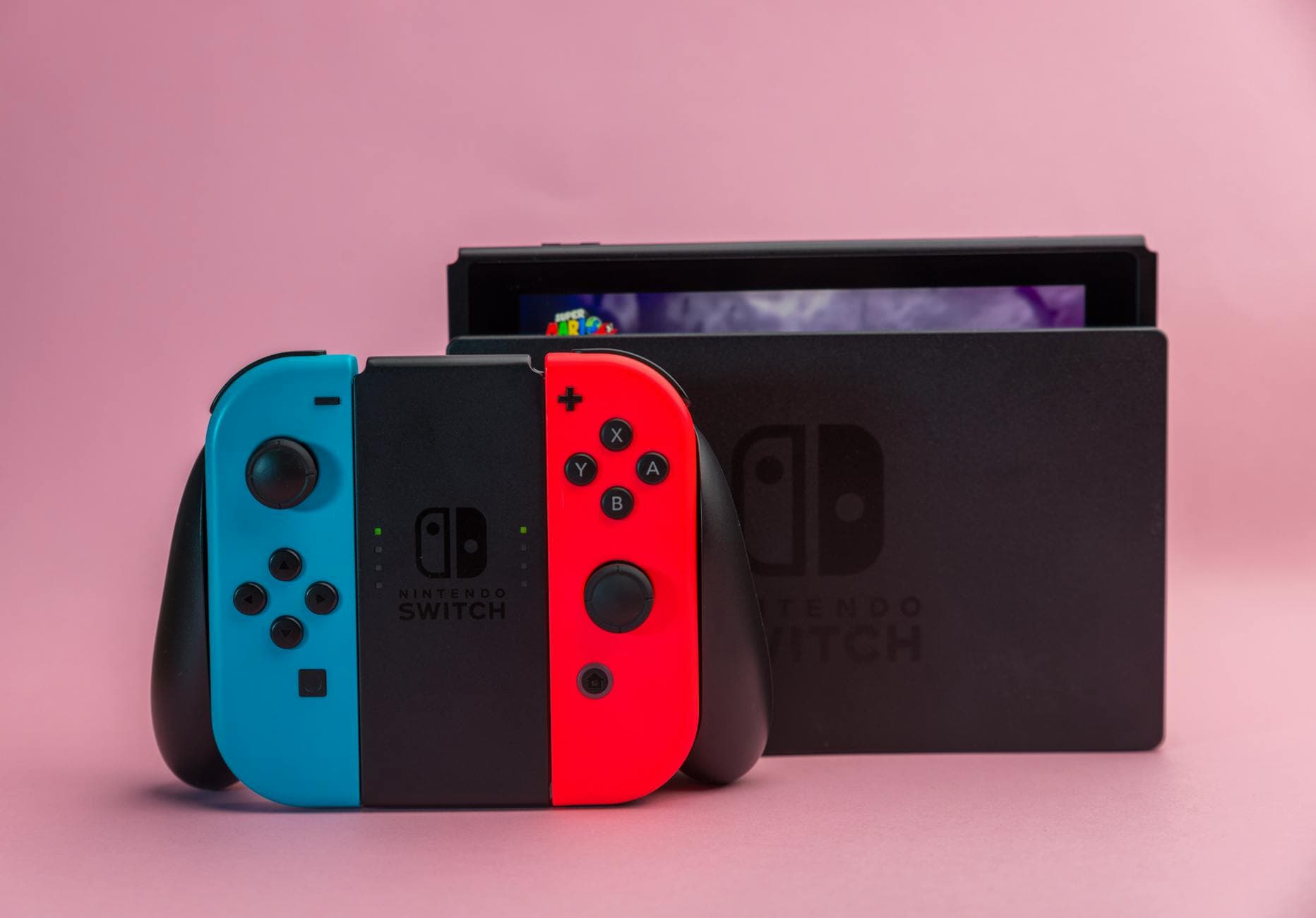
You can see the same pattern in Nintendo’s Switch 2 development page, which says it is not currently accepting requests for access to the development environment. When access is limited, the value of the people managing credentials, hardware lifecycle, and internal transfers only grows. The less open the system, the more important it is to run it with precision.
The skills that make someone valuable in the role
This is the kind of position that rewards people who can move comfortably between systems thinking and hands-on execution. The strongest fit is someone who can manage inventory and records without losing sight of security, understand technical workflows without needing to be the primary engineer, and communicate clearly with development, test, and support teams across regions.
- careful tracking and handoff discipline
- comfort with hardware and software logistics
- familiarity with developer tooling and support workflows
- respect for access controls, NDAs, and licensing requirements
- the ability to work across Japanese and English support channels
- enough technical fluency to support tool and application creation when needed
Useful traits in this role include:
That mix is especially valuable at Nintendo, where quality standards are tied to process as much as creativity. A polished game still needs the right build, the right kit, the right approval path, and the right people moving in step behind it.
Why this matters for Nintendo workers
The job posting is a reminder that launches are built on invisible labor. Developers may write the code, testers may break it, and designers may shape the experience, but operations staff decide whether the pipeline stays disciplined enough to deliver on time and with control.
For Nintendo, that hidden layer is not a footnote. It is part of how the company protects pre-release assets, keeps developer workflows clean, and preserves the quality-first culture that has defined its biggest franchises for decades.
This article was produced by Prism’s automated news system from verified source data, official records, and press releases, then run through automated quality and moderation checks before publishing. The system is built and supervised by the people who set the standards it runs under. Read our full AI policy.
Did this article answer your question?
