Nintendo payments manager role shows strategy, revenue goals, executive influence
Nintendo’s payments manager role reaches into revenue design, customer friction, and executive strategy. The job shows how a payments team can shape store performance, not just process transactions.
Payments sits at the center of Nintendo’s business
Nintendo’s Manager, Payments role is a reminder that the company’s business systems are part of the product, not just the paperwork behind it. The posting calls for someone who can find opportunities to optimize revenue and reduce payment costs, while also bringing subject-matter expertise and business guidance that support future flexibility. That is a strategic brief, not a clerical one, and it tells candidates that payments decisions can affect how Nintendo earns, how smoothly customers buy, and how well the company adapts as its business shifts.
The role also stands out because it is meant to present to executive leadership within Nintendo of America and Nintendo Co., Ltd. That alone signals influence. In a company built around premium franchises and careful platform stewardship, a payments manager is expected to connect operational detail to leadership priorities: revenue optimization, cost control, and the customer experience that shapes every digital sale.
Why the work matters to players and to the business
For workers inside Nintendo, the clearest takeaway is that payment architecture affects more than accounting. It changes store performance, customer friction, regional pricing, digital monetization, and operational flexibility. If a payment flow is clumsy, shoppers abandon purchases. If a payment method is poorly matched to a market, trust erodes. If transactions fail across regions, revenue leaks at exactly the point where Nintendo wants a smooth handoff from interest to sale.
That matters especially at a company with a platform business built around physical retail, e-commerce, digital goods, and cross-border publishing. Nintendo’s financial materials show that the business is not a simple hardware-and-software story. The company now breaks out hardware, software, accessories, and digital services, which reinforces that monetization has many moving parts and that payments sit close to the design of those channels. For a business professional, that is the real opportunity: this is a role where finance, operations, and customer experience meet.
The numbers explain the pressure
Nintendo’s FY2025 dedicated video game platform net sales reached 1,083.5 billion yen, and digital sales totaled 326.0 billion yen. Those figures make the payments function look less like infrastructure and more like a lever on a large commercial machine. Nintendo also reported that digital sales fell 26.5 percent year-on-year, which makes efficient payment operations even more important when the company is managing scale and trying to keep monetization reliable across channels.
The company’s digital business category is broad enough to include downloadable versions of packaged software, download-only software, add-on content, and Nintendo Switch Online. That mix matters because each product type can create different payment behavior, different expectations, and different opportunities for friction. A manager in this role has to think about how a customer moves from a game page to a completed transaction, and how the revenue model holds up when that path crosses formats, markets, and devices.
This is a regional compliance and platform operations job too
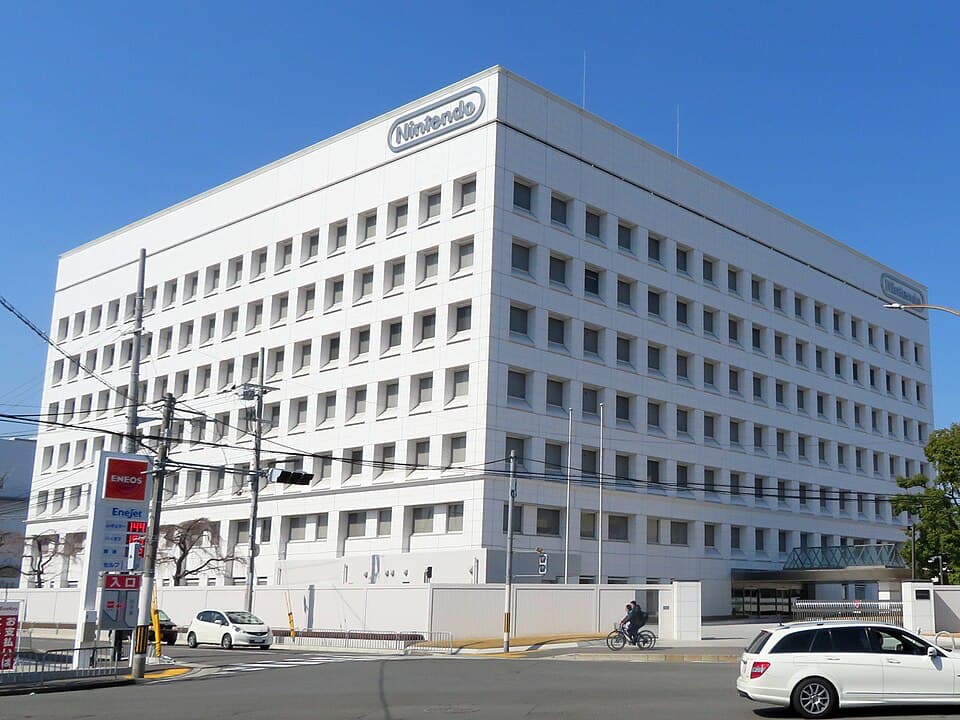
Nintendo of America is based in Redmond, Washington, and serves as headquarters for Nintendo’s operations in the Americas. But Nintendo’s principal offices also stretch across Japan, Europe, Canada, Australia, Korea, Hong Kong, and Taiwan. That global footprint gives the payments function a cross-border dimension that goes well beyond one storefront or one market. A payment change in one region can ripple into compliance questions, customer support load, or operational alignment elsewhere.
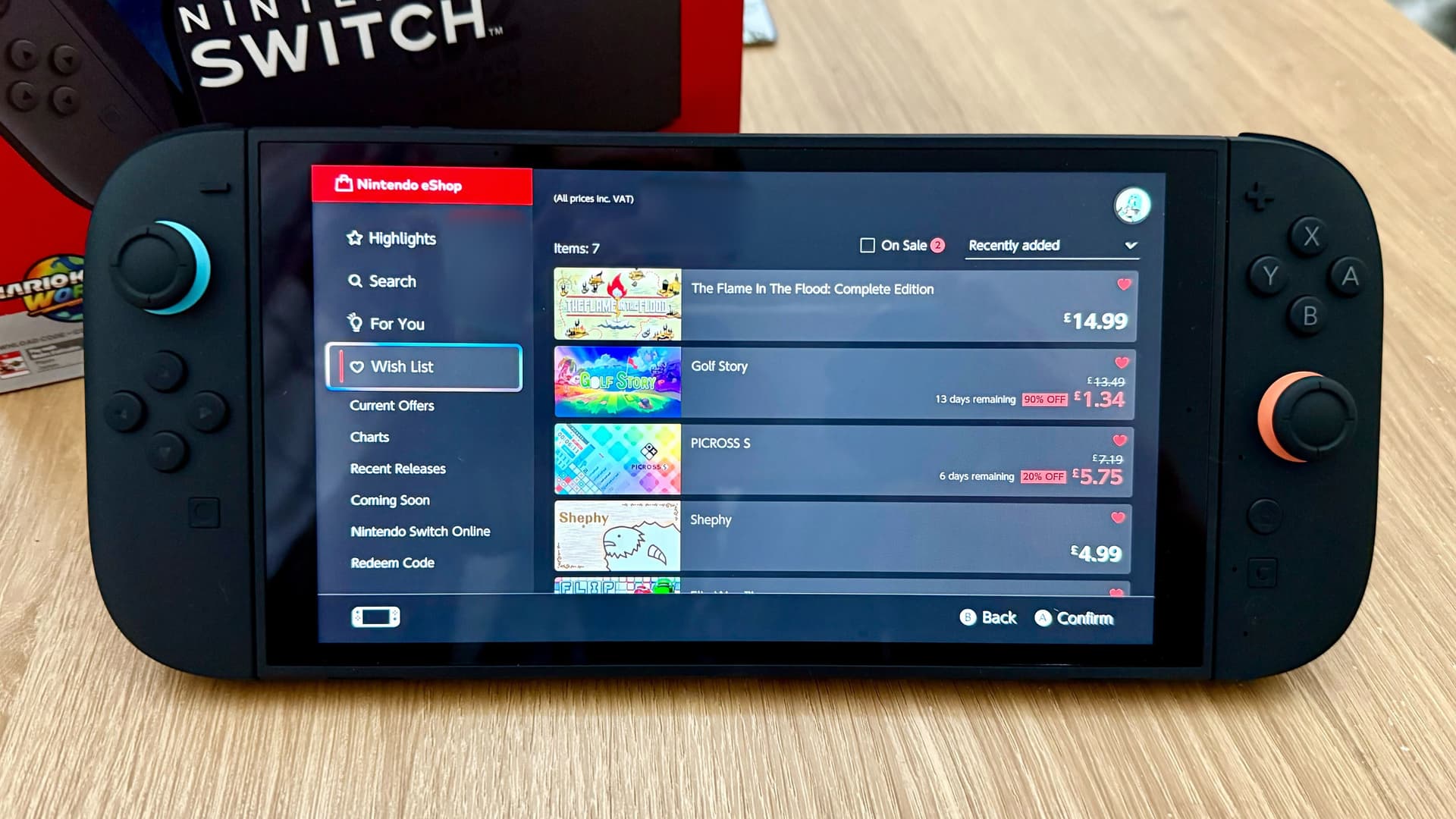
Nintendo’s own support pages show how concrete those rails are. In the United States, Canada, and Mexico, users can add Nintendo eShop funds with credit cards, PayPal, or prepaid Nintendo eShop Cards. Nintendo also notes that eShop cards and credit cards must correspond to the same country as the eShop. That detail may look small from the outside, but it is exactly the kind of rule a payments manager has to understand, communicate, and operationalize. Regional payment acceptance is not just a convenience issue. It is a trust issue, a compliance issue, and a conversion issue all at once.
What the role says about Nintendo’s culture of execution
Nintendo’s business teams are often discussed as support functions for a creative company. This role pushes back on that assumption. When a payments manager is expected to bring business guidance to executive leadership, the message is that operations and strategy are intertwined. The person in this seat is not simply maintaining a payment stack. They are helping define how Nintendo protects margin, removes friction, and keeps digital commerce flexible as the platform business evolves.
That is also why the role should interest ambitious professionals from finance, operations, and payments backgrounds. It shows a route into Nintendo where the work is not detached from the player experience. A cleaner checkout, a more reliable regional payment setup, and a better balance between cost and conversion all feed directly into how customers experience Nintendo’s stores and services. In a company where quality standards matter everywhere from software to service design, even the payment layer has to hold up to the same expectation of precision.
Why this is a useful signal for business-side candidates
For candidates, the posting is useful because it reveals what Nintendo values in business roles: the ability to connect numbers to customer experience and long-term platform health. That combination is rare and powerful. A payments manager who can explain revenue impact to executives and translate regional payment rules into better customer flow is operating at the point where strategy becomes measurable.
For employees already inside the company, the lesson is broader. Nintendo’s business systems are not separate from its creative identity. They are one of the ways the company keeps games available, transactions reliable, and revenue channels efficient across hardware, software, accessories, and digital services. The people who work closest to payments are helping decide how smoothly the business runs, how much friction customers face, and how much value Nintendo can capture from a global platform built on trust and consistency.
At a company of Nintendo’s scale, payment design is part of product strategy. That is the real story behind the title.
This article was produced by Prism’s automated news system from verified source data, official records, and press releases, then run through automated quality and moderation checks before publishing. The system is built and supervised by the people who set the standards it runs under. Read our full AI policy.
Did this article answer your question?