Nintendo Developers Rely on Version Control to Protect Work and Collaborate
Version control is the quiet guardrail behind Nintendo’s quality-first culture, keeping assets safe, builds stable, and teams aligned as projects move toward release.
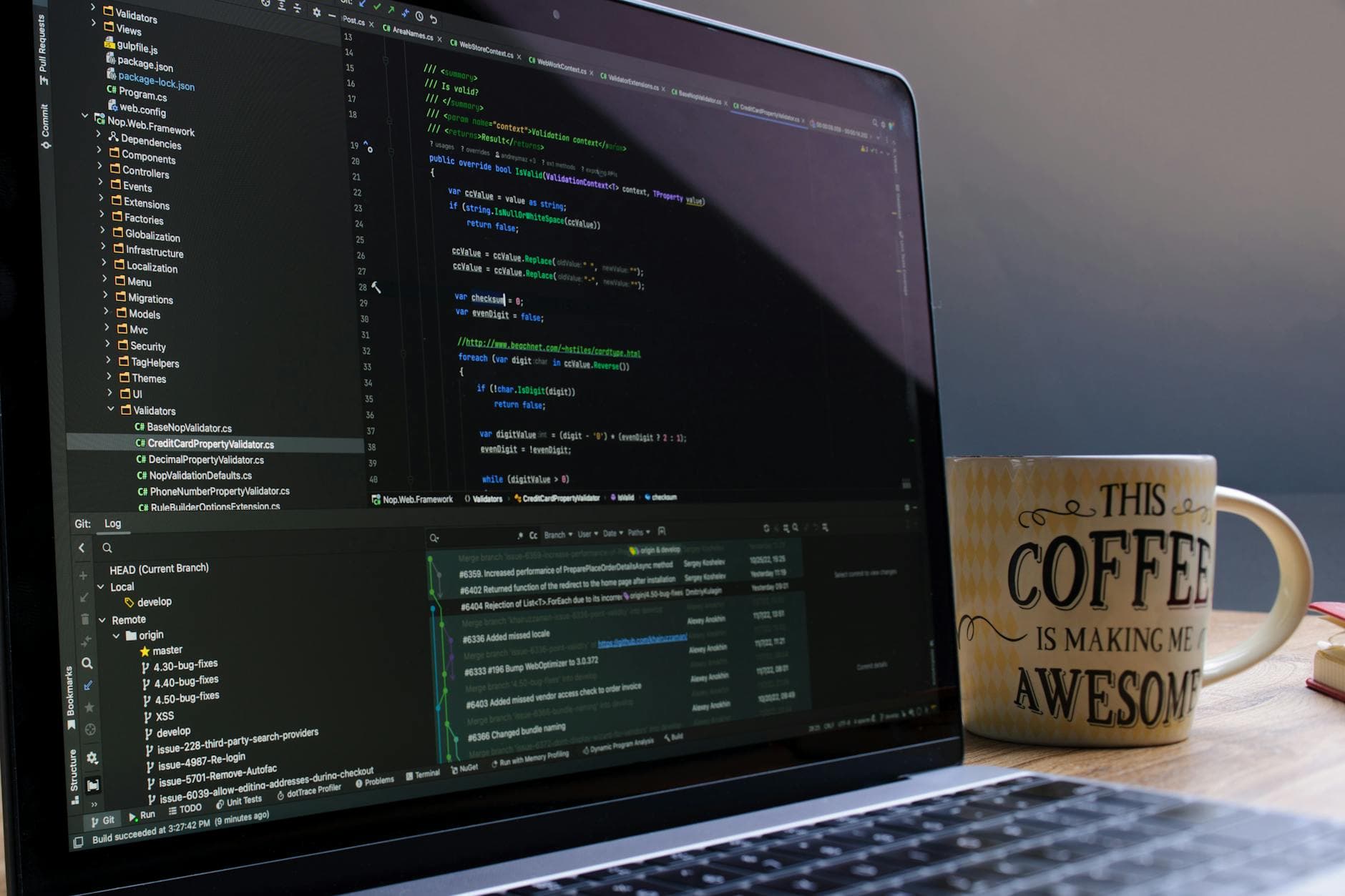
A designer can change a level, an artist can swap in new assets, and QA can keep testing without worrying that one person’s work will wipe out someone else’s. At Nintendo, that is the real value of version control: it keeps creative momentum from turning into late-stage chaos.
Version control is the safety net behind the polish
For a Nintendo developer, designer, or tester, version control is less about software jargon than about protecting work that multiple people touch every day. It records who changed what, when they changed it, and how to roll back if a build breaks. That matters in a company where quality is not an afterthought, because teams need a safe way to keep moving while the game is still taking shape.
The simplest way to understand it is through ordinary workplace moments. A designer checks in a new level layout without overwriting another designer’s changes. An artist updates a texture pack and knows the previous version is still recoverable. A producer can point the team to a known good build instead of guessing which file is the source of a problem.
The daily collaboration problems it quietly solves
Version control is doing more than storing files. It prevents lost work, avoids conflicting assets, and makes handoffs cleaner when several people are building toward the same milestone. It also lowers the fear of making late changes, because teams know they can recover if an experiment goes sideways.
The practical payoff shows up in small but costly moments:
- An artist can revise assets without replacing another person’s work.
- A designer can iterate on a stage and still restore an earlier version if pacing breaks.
- QA can identify the build where a bug first appeared, which makes reporting sharper.
- Localization can flag text that changed after freeze instead of chasing a mystery mismatch.
- Production can see whether a fix is in the main release path or still sitting in a feature branch.
That is why version control is a culture-of-quality tool, not just a technical one. It gives teams permission to try ideas, compare versions, and recover quickly when a late change exposes a regression.
Branches and tags keep the release path readable
Atlassian’s Git workflow guidance makes the logic clear: branching keeps official release history separate from active feature work, and tags mark specific commits at points in repository history. In plain terms, that means a team can keep building new ideas without losing sight of what is actually safe to ship.
Atlassian’s documentation also describes a model where a main branch carries production-ready history while a develop branch holds active work until it is merged back. That structure is helpful when work is happening in parallel across art, design, engineering, QA, and localization, because it reduces the chance that unfinished work leaks into the release line. It also supports branching strategies that can streamline collaboration and maintain stability, including cascade-style handling of release branches that reduces manual upkeep.
For a Nintendo team, those details are not abstract best practices. They help explain why a late fix can be risky, why merge timing matters, and why the build number in front of QA may tell you more than a status meeting does.
Nintendo’s publishing workflow raises the stakes
Nintendo’s developer portal says registration and access to developer tools are free, and that developers can publish content on the Nintendo eShop with control over price, release date, and content. That is an important part of the job story: once a team is moving toward release, version control has to work inside a larger publishing process, not just inside a code editor.
The portal also supports multiple development environments, including Unity and native C++ software development, which means version control is a daily concern across different kinds of teams. A studio building in Unity may track art, scenes, and scripts together, while a native C++ team may care more about code branches and build stability. Either way, the same basic discipline applies: keep changes visible, reversible, and tied to a known point in history.
Nintendo’s process guidance adds another layer. The company says teams should keep Nintendo guidelines in mind throughout development and submit PR materials when they are ready to launch. That means release readiness is not just a technical milestone; it is tied to presentation, timing, and the gatekeeping around how a game reaches store shelves.
The publisher tools show how structured the workflow really is
Nintendo’s Publisher Tool is not open to casual use. It requires a company account, a current publisher licensing agreement, a Nintendo Developer ID, and company-admin role assignment. That kind of access control makes the case for version control even stronger, because publishing at Nintendo sits inside a formal permission structure with clear responsibilities.
The portal also routes developer and publishing questions through regional contacts in North America, Europe, Japan, and Korea. That matters for cross-functional teams because a bug, a release question, or a build issue does not always stay inside one office or one discipline. When teams are distributed across regions, version control becomes the shared record that keeps everyone looking at the same history.
Nintendo’s platform rules sharpen the point further. The only Nintendo platform open to new development is Nintendo Switch, while development for older platforms is limited to teams that already purchased dev hardware. For workers, that means the current workflow is concentrated around a modern platform and a tightly managed publishing path, not a loose free-for-all of old projects.
Why non-engineers benefit from learning the language
QA staff do not need to manage repositories all day to use version control well. If you understand branches and builds, you can pinpoint which build introduced a bug and write a report that helps the team act faster. That saves time for everyone, especially when a defect only appears after a merge or a late content change.
Localization staff also benefit from knowing when text is frozen and when it is still moving. If a script changes after translation lock, the person who notices the mismatch can flag the right follow-up instead of chasing the wrong team. Business and production staff have the same advantage: they do not need to touch the repository directly, but they do need to know whether a milestone is on the release branch, how much merge risk remains, and whether a candidate build is actually ready.
That is why version control is a career skill across Nintendo, not just in engineering. It helps people make better decisions in a company where the real product is not only code, but coordinated work across design, art, testing, localization, and publishing. The teams that understand branches, commits, merges, tags, and release candidates are the teams most likely to protect quality when the pressure rises.
This article was produced by Prism’s automated news system from verified source data, official records, and press releases, then run through automated quality and moderation checks before publishing. The system is built and supervised by the people who set the standards it runs under. Read our full AI policy.
Did this article answer your question?
