Nintendo Faces Higher Memory Costs as AI Boom Tightens Chip Supply
Memory costs are pushing Nintendo into a rare reset: a Switch 2 launch price of ¥49,980 rose to ¥59,980 in Japan less than a year later.
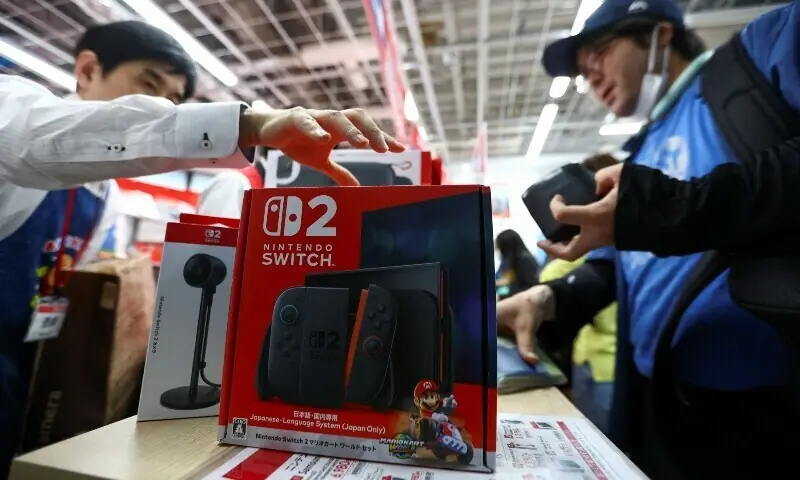
Memory is no longer just a component line for Nintendo. It has become a planning constraint that can move launch prices, reshape margins and ripple through the work of hardware, finance, retail and support teams at once.
Nintendo said about 100.0 billion yen of cost impact from rising component prices, especially memory, and tariff measures had already been factored into cost of goods sold for the fiscal year ended March 31, 2026. The pressure showed up in a full-year report that still looked strong on the surface, with net sales of 2,313.0 billion yen, operating profit of 360.1 billion yen and net profit of 424.0 billion yen. Switch 2 sell-in reached 19.86 million units, while Switch 2 software sell-in hit 48.71 million units.
The earlier nine-month update had already signaled how quickly the business was moving. Through December 31, 2025, Nintendo reported 1,905.8 billion yen in net sales and 300.3 billion yen in operating profit, with Switch 2 hardware sell-in of 17.37 million units and software sell-in of 37.93 million units. The latest numbers show a console cycle with real momentum, but they also show how fast a hot product can run into a supply-cost wall when the bill of materials turns against it.
That is the hidden business story behind the memory squeeze. Artificial intelligence demand is tightening chip supply across the broader tech sector, and games hardware is caught in the same competition for scarce parts. Nintendo and Sony both flagged the impact of surging memory prices on their games businesses, a reminder that console makers are not only managing software roadmaps and brand identity. They are also managing a volatile hardware supply chain where data-center demand can change what is affordable to ship.
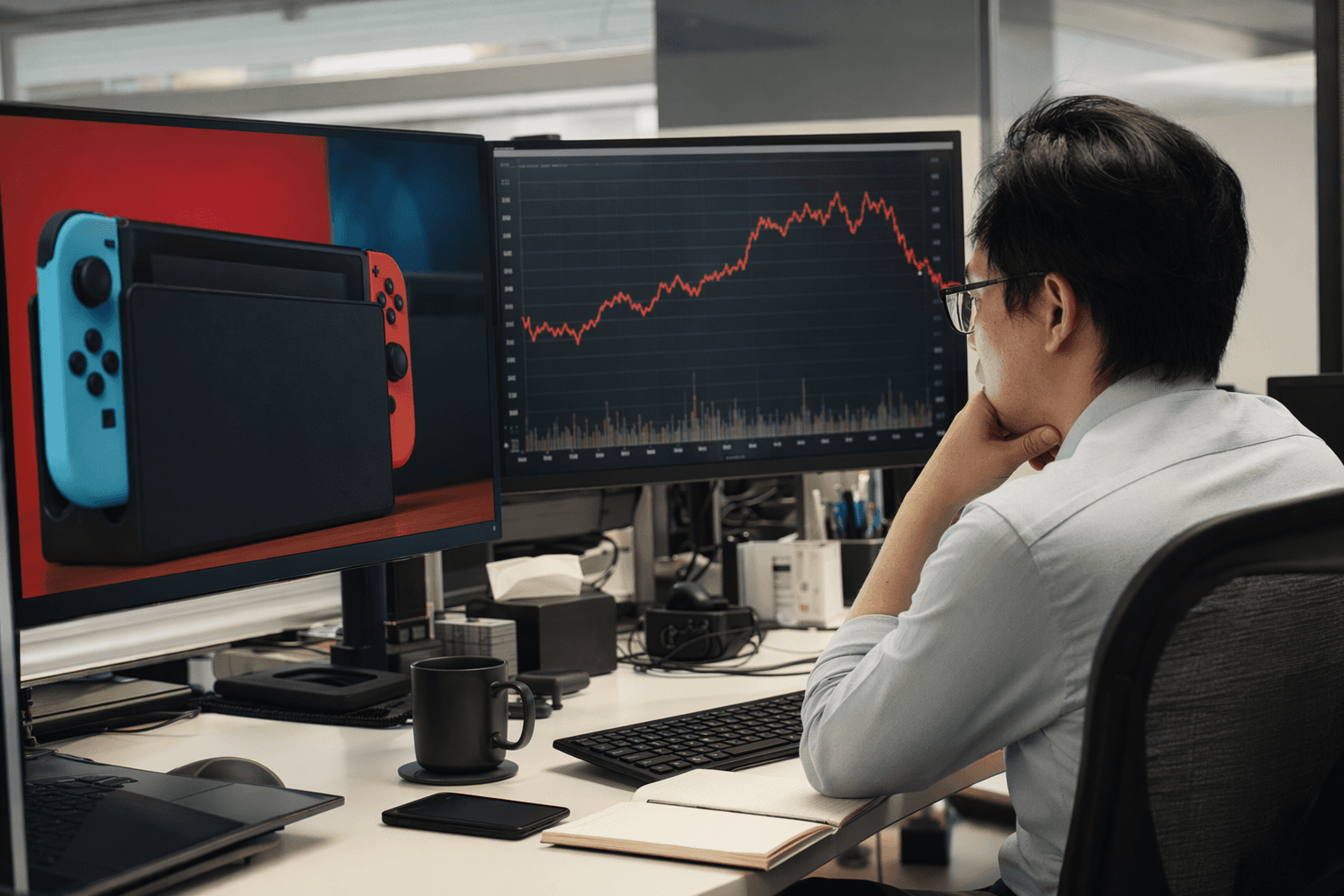
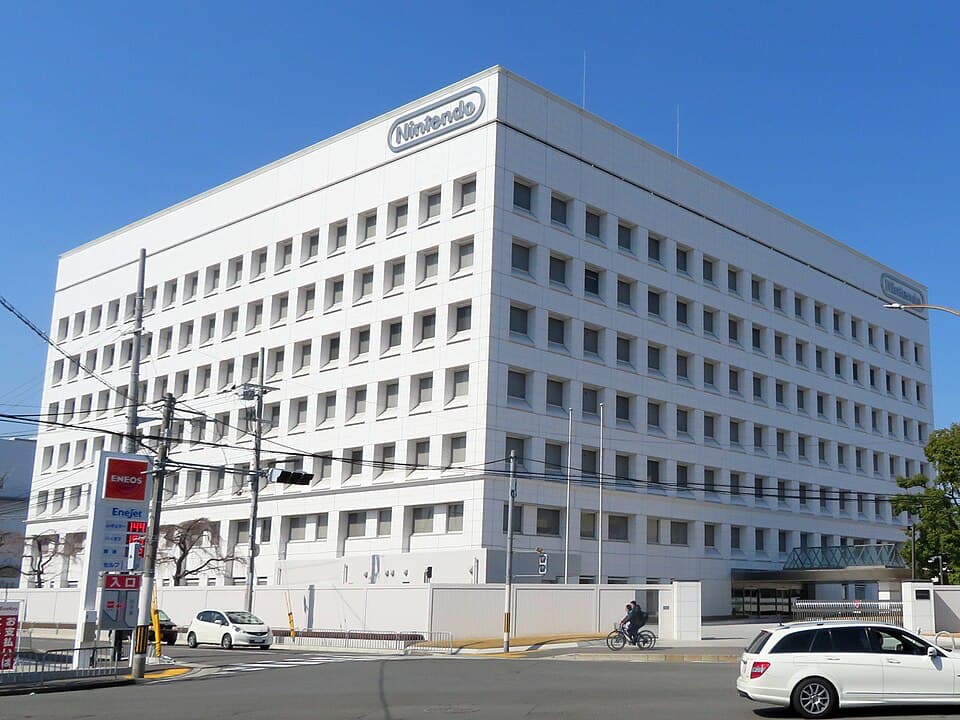
For Nintendo, that means more than a cleaner spreadsheet. A memory-driven spec change can alter test plans, certification work, packaging, translation, marketing and even the way customer support explains a product. It can also complicate regional pricing and product mix, forcing coordination between Kyoto, local offices and retail partners that sell the system to consumers.
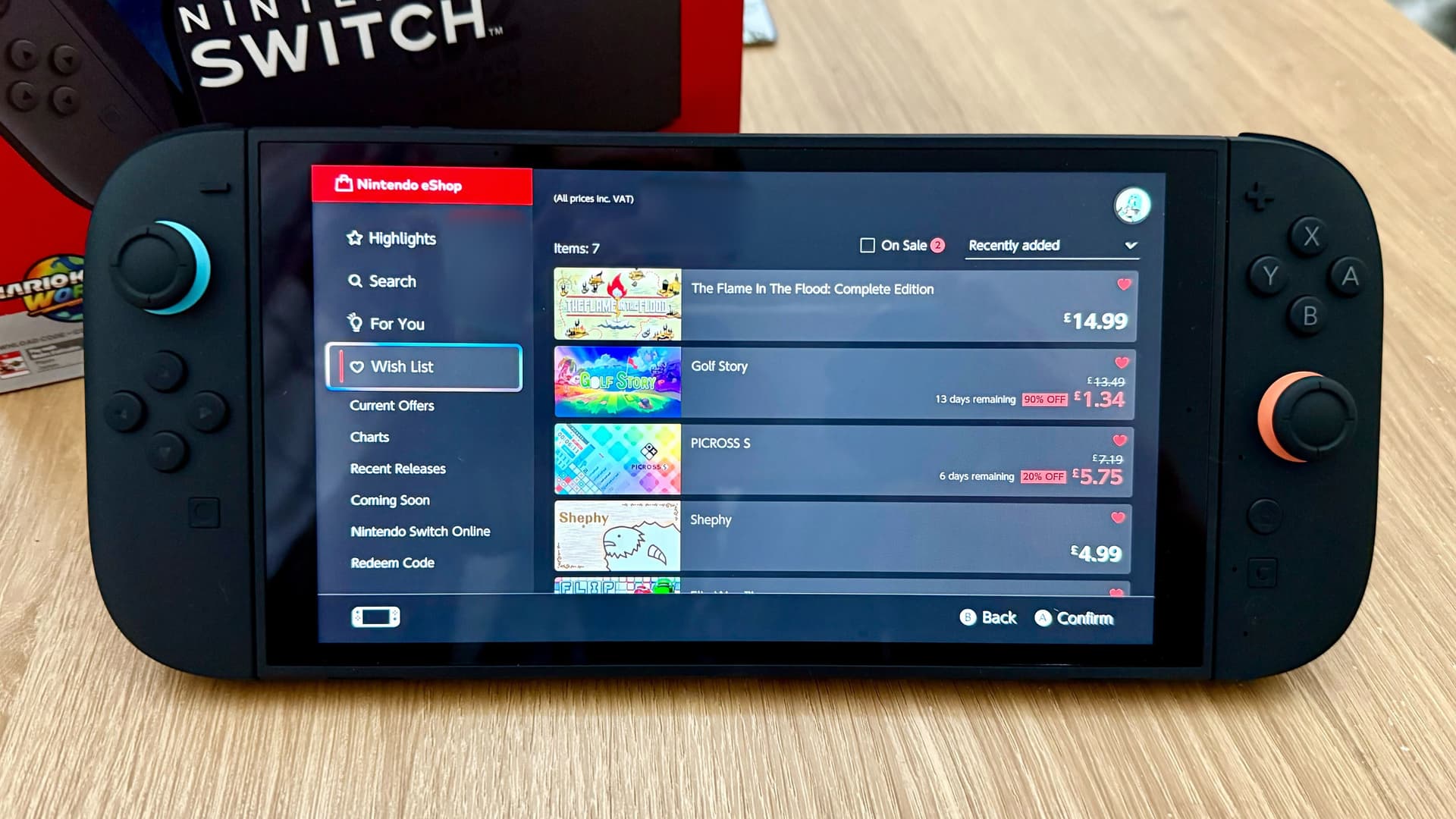
The pricing response was immediate. Nintendo raised the Japan MSRP for the Switch 2 Japanese-language system from 49,980 yen to 59,980 yen, effective May 25, 2026. In the United States, the price rises from $449.99 to $499.99 on September 1, 2026. Canada moves to C$679.99 and Europe to €499.99. Nintendo also raised Japan prices on the OLED model, standard Switch and Switch Lite, and revised Nintendo Switch Online membership prices in Japan effective July 1, 2026.
Nintendo launched Switch 2 on June 5, 2025 at 49,980 yen in Japan. Less than a year later, that price reset shows how quickly AI-driven memory inflation can reach the final shelf tag, and how little room even a quality-first company has when outside costs start dictating the hardware plan.
This article was produced by Prism’s automated news system from verified source data, official records, and press releases, then run through automated quality and moderation checks before publishing. The system is built and supervised by the people who set the standards it runs under. Read our full AI policy.
Did this article answer your question?