Nintendo legend Takashi Tezuka retires as executive officer after four decades
Takashi Tezuka's retirement closes a 40-year run that helped shape Mario and Zelda, while Shigeru Miyamoto stays on Nintendo's officer list.
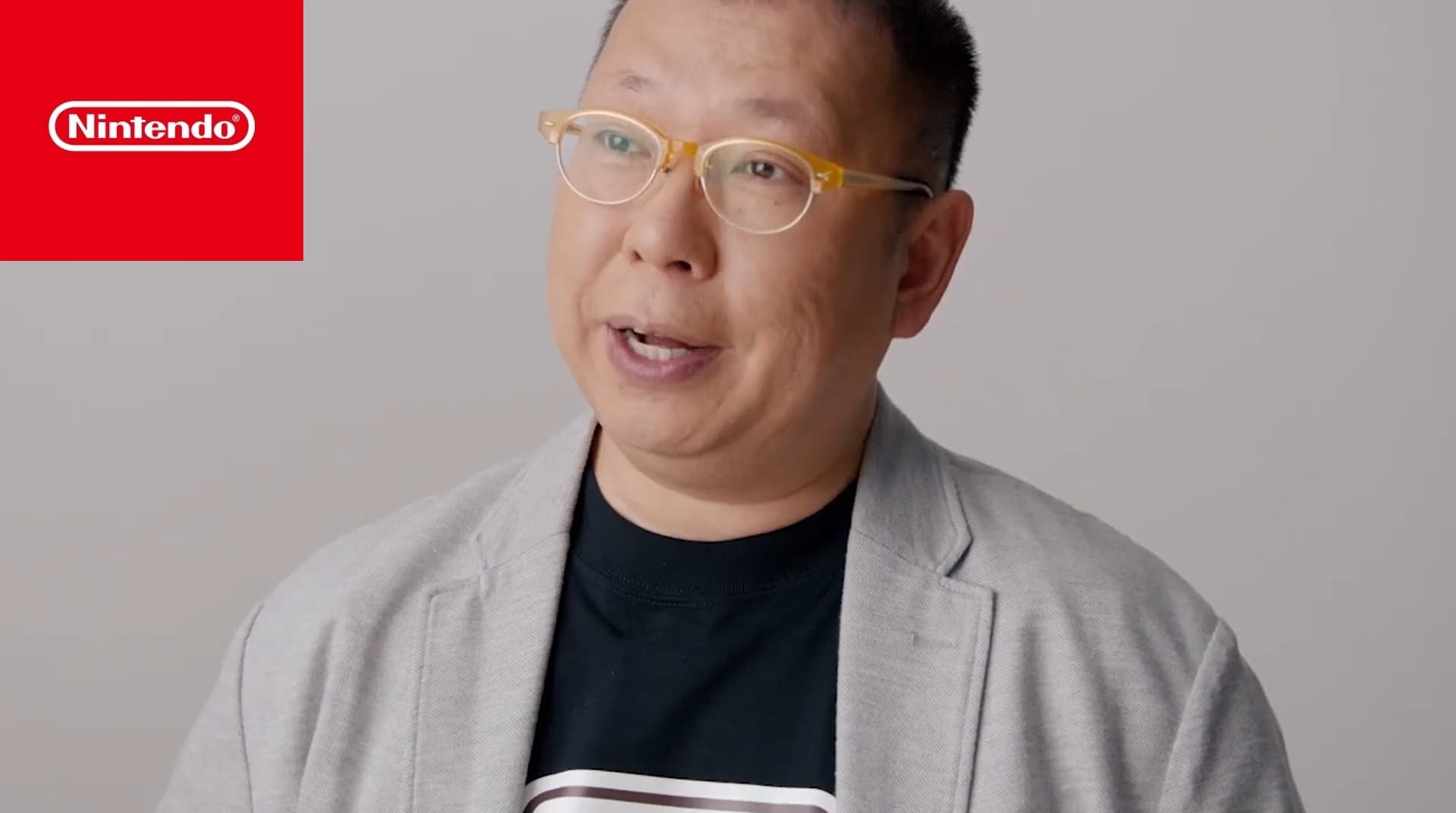
Takashi Tezuka's retirement from Nintendo's executive officer lineup closes a four-decade run that helped define how Mario and Zelda are protected, taught and renewed inside the company.
Nintendo said on May 8, 2026, in a personnel-change notice issued with its latest financial results, that Tezuka will retire from the executive officer role on June 26, 2026, after the 86th Annual General Meeting of Shareholders and the subsequent board meeting. He joined Nintendo in 1984, starting as a part-time employee while still in university and working on the arcade version of Punch-Out!! Tezuka is 65.
The filing does not make fully clear whether Tezuka is leaving Nintendo entirely or only stepping away from the executive officer title, and one account says he had already been largely out of day-to-day operations. Even so, the move marks the formal end of a long stretch in which Tezuka was one of Nintendo's most visible creative custodians, with credits tied to The Legend of Zelda, Super Mario Bros. 3, Super Mario World, A Link to the Past and Yoshi's Island. Super Mario Bros. Wonder is among his more recent producer credits.
His retirement also sharpens the succession question inside Kyoto. Nintendo's current officer list still includes Shigeru Miyamoto as Executive Fellow and Representative Director, a reminder that the company is not severing its best-known creative lineage in one stroke. Instead, another layer of veteran oversight is shifting out of the officer structure, leaving the next generation of producers, directors and planners to carry the same standards forward without the same institutional memory in the room.
That matters at Nintendo because the company has long depended on continuity as much as invention. Tezuka's path, from university part-timer on Punch-Out!! to one of the figures most closely associated with Mario and Zelda stewardship, shows how Nintendo has historically taught creative judgment: by keeping franchise guardians close, letting them protect core design values and then handing those values to newer teams when the hardware and the audience move on. Tezuka's retirement formalizes that transfer, and it leaves Nintendo's creative bench with a clear assignment for the next era.
This article was produced by Prism’s automated news system from verified source data, official records, and press releases, then run through automated quality and moderation checks before publishing. The system is built and supervised by the people who set the standards it runs under. Read our full AI policy.
Did this article answer your question?
