Nintendo raises Switch 2 prices in US, Canada and Europe
Nintendo is lifting Switch 2 prices just as hardware sales cool from launch highs, a sign the platform is entering a tougher margin-first phase.

Nintendo is raising the Switch 2 price in the United States to $499.99 from $449.99 on Sept. 1, while also increasing prices in Canada and Europe. The same reset is hitting Japan even sooner: the Japanese-language Switch 2 system will rise from ¥49,980 to ¥59,980 on May 25, alongside higher prices for the Switch, Switch OLED and Switch Lite, and a July 1 increase for Nintendo Switch Online in Japan.
For Nintendo employees, the read is less about a single price tag than about where the business sits in the console cycle. The company sold 19.86 million Switch 2 hardware units in FY26, then forecast 16.5 million for the year ending March 31, 2027, along with 60 million Switch 2 software units. That is softer hardware growth, but it is also the normal shape of a platform moving from launch surge into the harder work of retention, software cadence and margin protection.
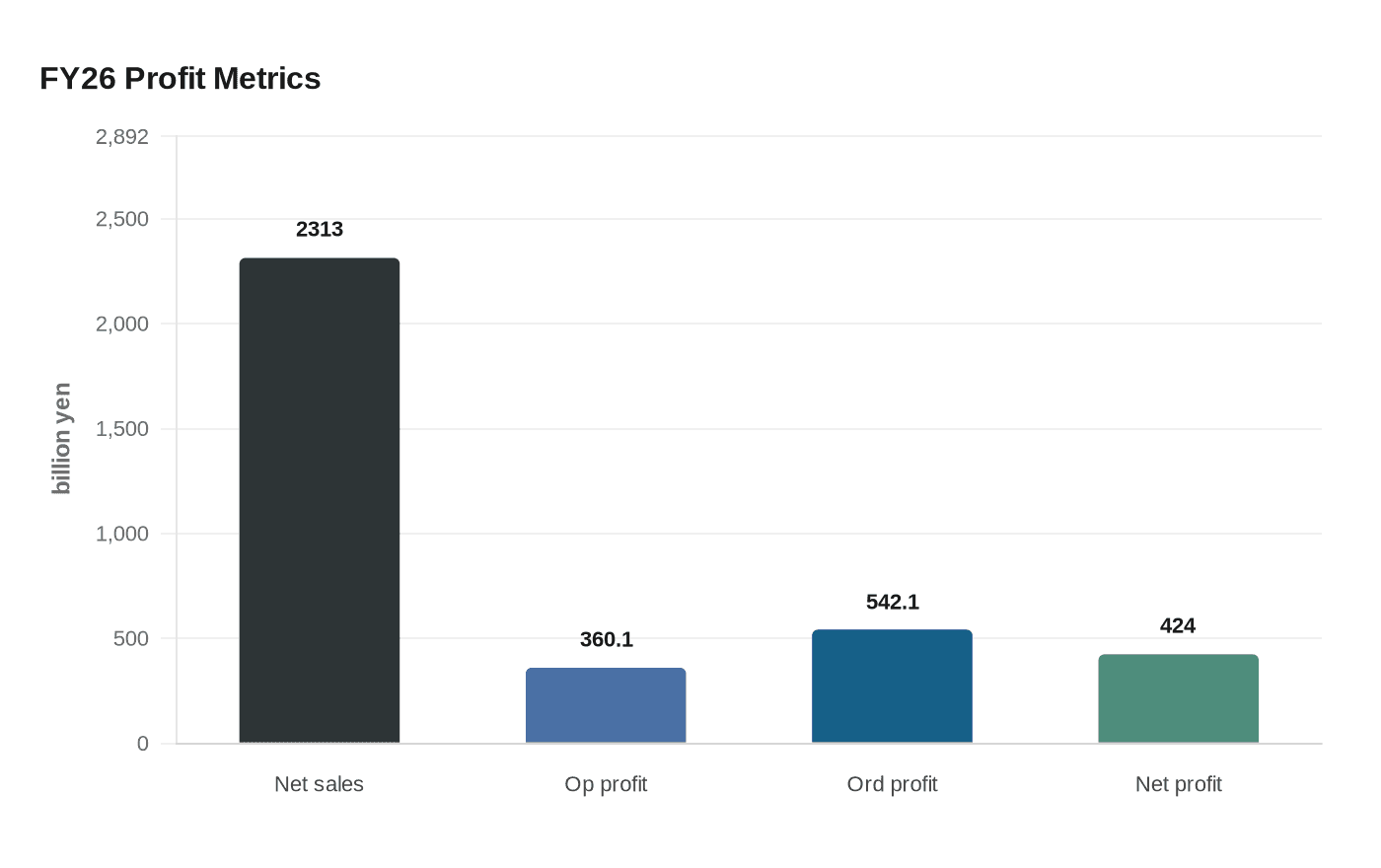
The financial pressure is real. Nintendo said higher memory costs and tariff measures would cut about 100 billion yen from the current-year outlook. FY26 net sales reached 2,313.0 billion yen, operating profit was 360.1 billion yen, ordinary profit was 542.1 billion yen and net profit was 424.0 billion yen. Even so, the operating profit margin fell from 24.3% in FY25 to 15.6% in FY26, a reminder that hardware volume alone does not tell the whole story when components and trade costs move against the company.
That is why this price move matters for teams far beyond finance. Hardware planning gets harder when pricing has to absorb memory costs and tariffs. Marketing has to keep the platform attractive without leaning too heavily on discounts or bundle tricks. Software teams carry more weight because the best defense against slower unit growth is a stronger installed base, not a louder launch. Nintendo’s own Japan notice said the revisions are expected to extend over the medium to long term, which makes this look less like a one-off adjustment and more like a new operating posture.
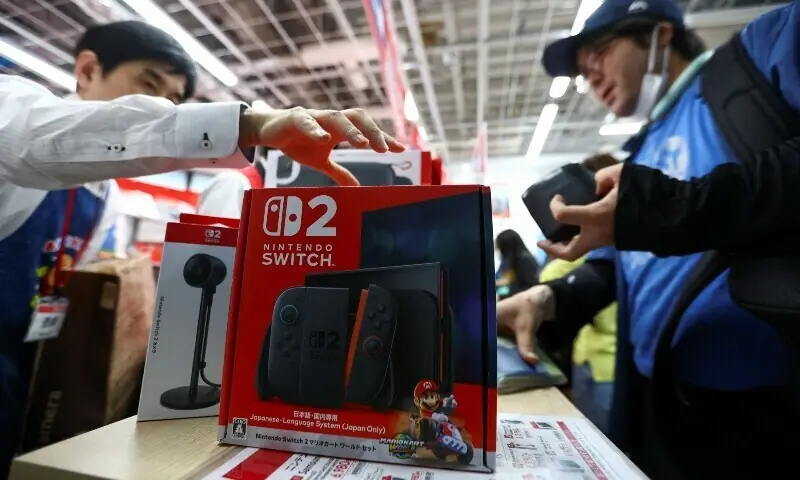
The contrast with launch is sharp. Nintendo brought Switch 2 to the U.S. on June 5, 2025 at $449.99, with a Mario Kart World bundle at $499.99, after eight years of Nintendo Switch development. Fans lined up for hours. Now the company is asking the market to accept a dearer system while the cycle matures. For a quality-first business built on long-lived franchises, the real test is whether higher prices, slower unit growth and tighter margins can still coexist with the kind of software and hardware discipline that keeps a platform relevant well past the launch rush.
Know something we missed? Have a correction or additional information?
Submit a Tip