Nintendo report links supply-chain ethics to quality, retention, performance
Nintendo’s 2025 supply-chain report ties forced-labor controls to product quality, worker retention and consumer trust, treating ethics as part of manufacturing discipline.
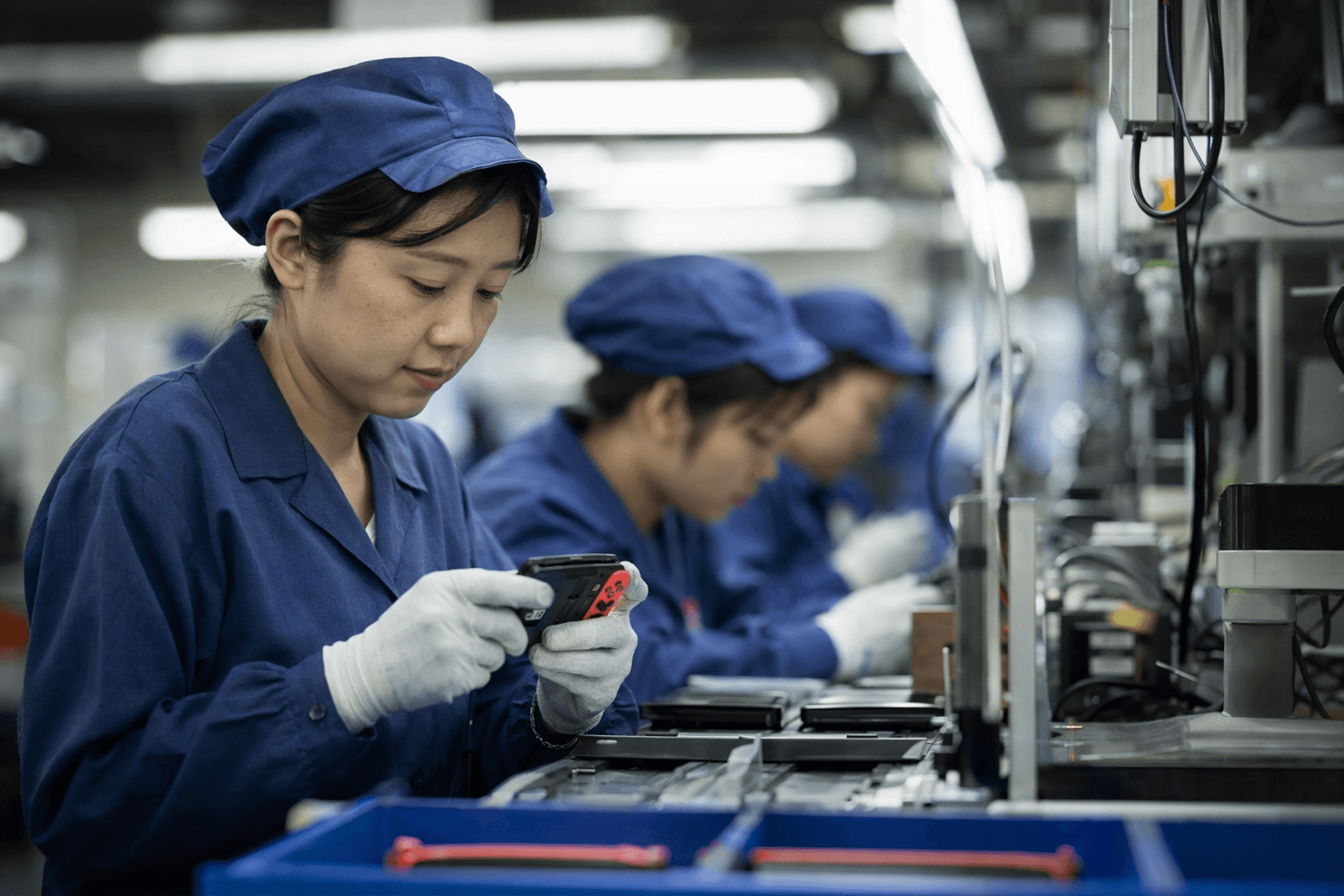
Nintendo’s supply-chain rules read less like a compliance appendix and more like a production safeguard. In its 2025 forced-labor and child-labor report, Nintendo of America Inc. said it used supplier audits, internal monitoring, action plans and remediation steps to manage labor risks across the network that supports its hardware business, a reminder that labor standards can shape whether products ship on time, hold quality and protect the brand.
The report, approved by the Board of Directors of Nintendo of America Inc. on May 27, 2025, covered the fiscal year ended March 31, 2025 and was filed under Canada’s Fighting Against Forced Labour and Child Labour in Supply Chains Act. It applied to Nintendo of America Inc. and Nintendo of Canada Ltd., placing the company inside a newer transparency regime that came into force on January 1, 2024. Canada’s own annual reporting on the law says the point is to increase awareness, transparency and improved business practices, and Nintendo’s disclosure fits that mandate closely.
For Nintendo employees, the most important line is not a legal one. The company said its CSR materials link better working conditions at production sites to higher product quality and, in turn, more consumer trust. That ties supply-chain ethics directly to the same quality-first culture that runs through Nintendo’s development and manufacturing decisions. A labor problem at a supplier is not just a human-rights issue; it can become a schedule problem, a continuity problem and a reputational problem for a company whose franchises depend on reliable execution.
Nintendo’s broader human-rights framework backs up that approach. The company said its human-rights policy, established in September 2018, is based on the United Nations Guiding Principles on Business and Human Rights and the International Labour Organization’s Declaration on Fundamental Principles and Rights at Work. Its CSR procurement materials define production partners to include first-tier suppliers, upstream factories subcontracted for assembly and component suppliers, and say those partners are expected to comply with laws, regulations and social standards while considering human rights and the global environment.
Nintendo also said its supply-chain transparency materials prohibit suppliers from using forced labor of any kind and describe work with business partners as a matter of communication and mutual understanding. For engineers, producers, QA staff and procurement teams, the message is clear: Nintendo is treating labor oversight as part of operational control, not a side conversation, because the credibility of the factory floor helps determine the credibility of the finished product.
This article was produced by Prism’s automated news system from verified source data, official records, and press releases, then run through automated quality and moderation checks before publishing. The system is built and supervised by the people who set the standards it runs under. Read our full AI policy.
Did this article answer your question?