Nintendo spotlights workplace culture with games, volunteering, and team events
Nintendo sells more than perks: it frames work as playful, communal, and values-led. For candidates, the signal is a culture built to keep teams cohesive under pressure.
A workplace built to feel like Nintendo
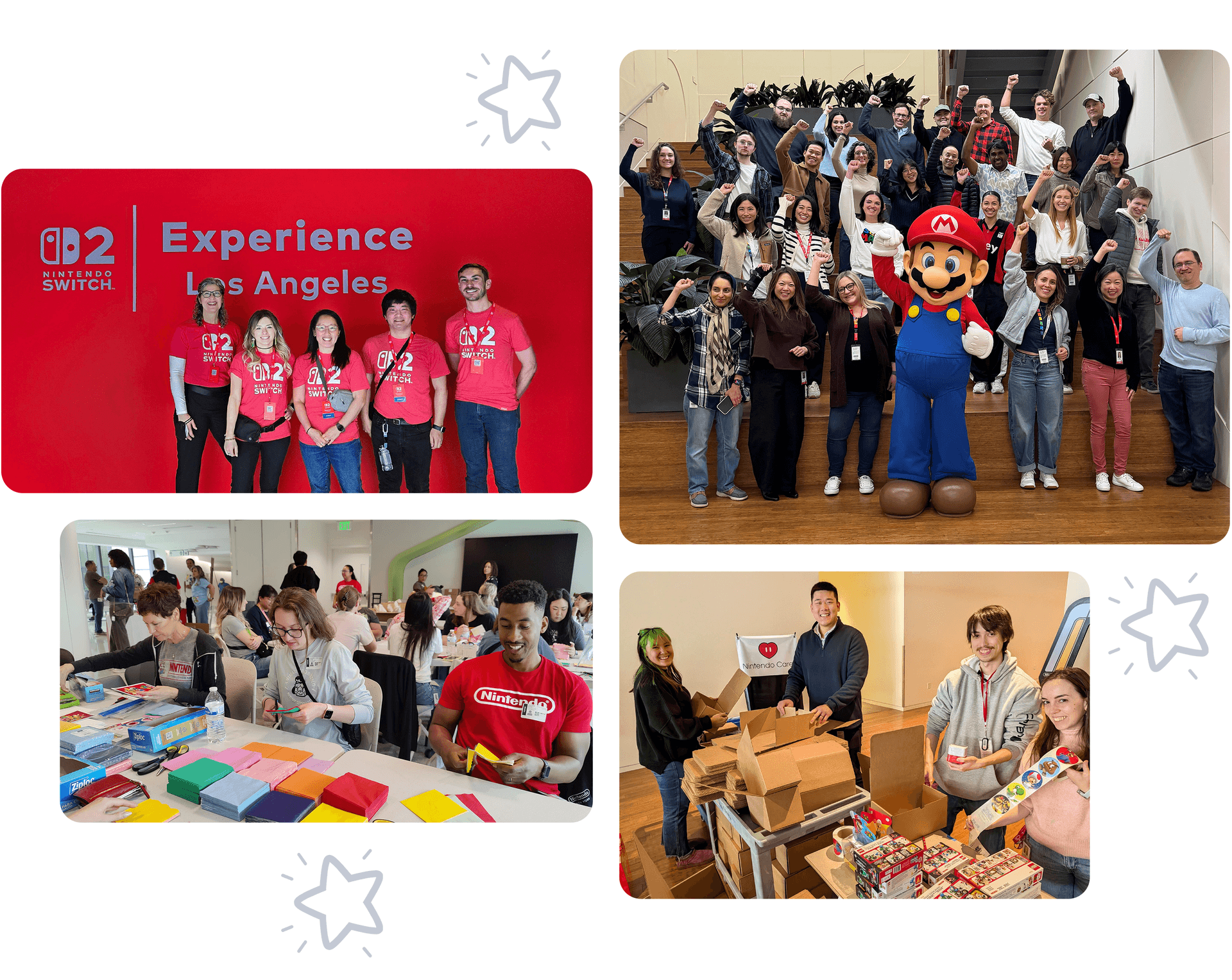
Nintendo’s employer brand is doing something very specific: it is asking prospective hires to picture a workplace that still feels connected to games after the console is powered down. The company’s Life at Nintendo page highlights an on-site soccer field, events and gaming competitions held throughout the year, a yearly game preview event where employees can try newly announced titles, and charity rides such as Tour De Cure. That mix is not random decoration. It tells candidates that Nintendo wants office life to feel active, social, and visibly tied to the product it makes.
For game developers, designers, QA testers, localization staff, and business teams, that matters because it speaks to how Nintendo wants work to be experienced. The company is not only selling a pay package or a brand name. It is signaling that it expects people to stay engaged through shared rituals, friendly competition, and a workplace environment that makes room for play without pretending the work itself is light.
The message behind the perks
The strongest clue in Nintendo’s careers messaging is that the company is trying to turn culture into a daily operating system, not a slogan. Its careers site says it is actively building a culture where employees contribute their knowledge, ideas, and perspectives so innovation and creativity thrive. It also says the company works hard and has fun together, using the language of “ONE Nintendo” to frame the organization as relationship-driven rather than siloed.
That matters in a company where quality standards are famously high and franchise legacy carries real weight. A game studio or publishing team that works under that kind of pressure needs more than abstract values on a wall. By foregrounding events, competitions, preview sessions, and charity participation, Nintendo is telling candidates that collaboration should be embodied in the work environment itself. It is a subtle but important recruitment pitch: if you join, you are not just joining a schedule. You are joining a social structure built to reinforce cohesion.
What Nintendo chooses to foreground
The office signals on the Life at Nintendo page are especially revealing because they say what the company wants applicants to notice first. The on-site soccer field suggests that physical space is part of the culture, not just a place where employees sit between meetings. Gaming competitions and the yearly preview event reinforce that the company wants employees to remain close to the experience of making and testing games, even when their day jobs are in operations, business, or support functions.
The charity rides add another layer. Team Nintendo’s participation in fundraising events, including Tour De Cure, makes the company’s social identity visible outside the office. That is a deliberate employer-brand move because it presents Nintendo as a place where community participation is woven into the calendar. For candidates deciding whether they would thrive there, the subtext is clear: this is a workplace that values participation in group life, not just individual output.

Values, inclusion, and the people side of the brand
Nintendo’s people-and-culture materials broaden that message. The company says it values compassion, sincerity, humility, honest communication, kindness, empathy, respect, flexibility, and integrity. Those are not casual adjectives in this context. They are the behavioral terms Nintendo is choosing to attach to itself as an employer, and they say a lot about the kind of manager-employee relationship the company wants to project.
The inclusion picture is similarly explicit. Nintendo lists employee resource groups including Women’s Initiative Network, Rainbow, B@ND: Black at Nintendo Dialogue, eNable, API, and HOLA. That list matters because it shows inclusion is being framed as part of the everyday work environment, not as a separate HR campaign. For employees, especially in a global company with different regional norms, ERGs can shape who feels seen, who gets a network, and who can imagine staying long term.
Nintendo also says it supports diversity and human-rights training across regions, including annual Code of Business Conduct training for Nintendo of America employees. That kind of detail suggests the company wants its values to be reinforced in formal training as well as informal culture. In a labor market where many employers talk about inclusion but leave it to voluntary enthusiasm, Nintendo is at least signaling that it wants a common standard across offices.
The community-facing side of the employee story
Nintendo’s workplace brand does not stop at internal morale. Its CSR material shows employees have built more than 900 Starlight Nintendo Switch Gaming stations and more than 950 handhelds for children’s hospitals and healthcare facilities in the U.S. and Canada. That is one of the clearest examples of how Nintendo links its internal identity to visible community impact.
The specific numbers matter. This is not a one-off charity gesture or a vague promise to “give back.” It is a sustained employee-led contribution that connects the company’s product expertise to patients’ daily lives. For workers, that can deepen pride in the job because the output is not only commercial. It also gives candidates a concrete picture of how Nintendo wants employees to see the work: as something that can carry into hospitals, family spaces, and community settings.
What the global structure says about the company
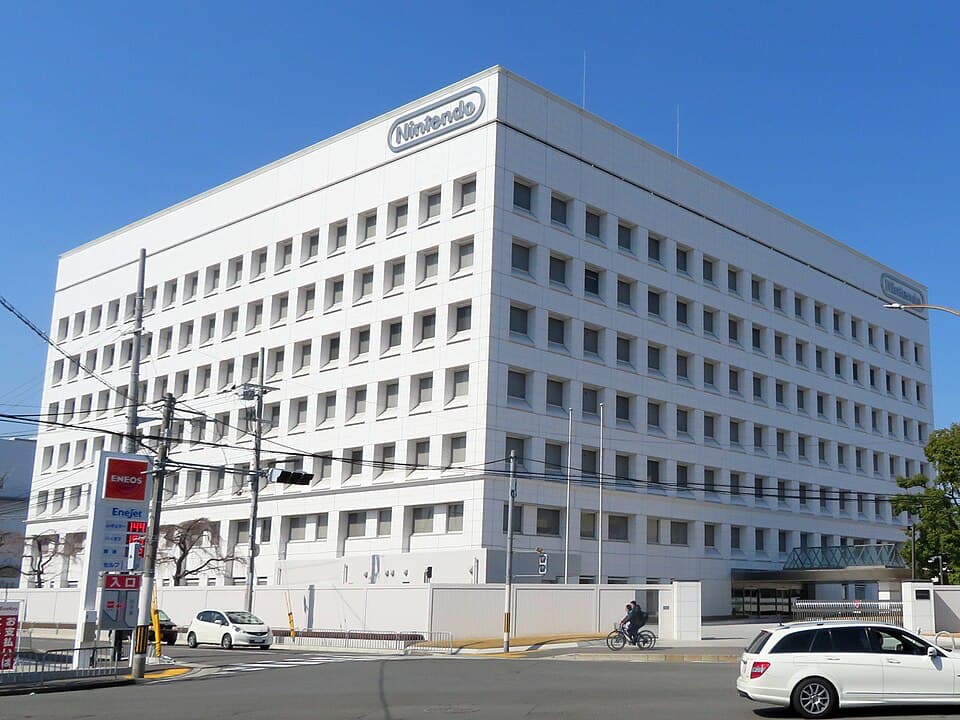
Nintendo’s employment story is also shaped by its size and geography. Nintendo of America says it has been based in Redmond, Washington since 1980 and is a wholly owned subsidiary of Nintendo Co., Ltd., which is based in Kyoto, Japan. Nintendo Co., Ltd. reported 8,205 employees globally in its FY2025 annual report for the fiscal year ended March 31, 2025.
That split matters for anyone evaluating the workplace. A company with a Kyoto headquarters and a large North American operation has to manage both global brand consistency and local office culture. Nintendo’s materials suggest that the company wants those layers to feel aligned: the Japanese parent sets the tone around quality, values, and employee potential, while the North American office translates that tone into events, volunteering, and a more visibly social day-to-day experience.
Balance is part of the pitch, not an afterthought
Nintendo’s annual report and CSR materials also emphasize work-life balance, including childcare leave support and a broader commitment to balancing professional and personal lives. The company says it is committed to creating and maintaining an environment where all employees can realize their maximum potential. That is a significant line in a business where launch cycles, localization deadlines, and quality checks can easily stretch teams.
For employees, the point is not that the job will be easy. It is that Nintendo is trying to present itself as a place that recognizes the cost of sustained creative work and tries to structure support around it. In a sector often defined by crunch narratives, that becomes part of the recruitment logic. The company is implicitly arguing that a strong culture, shared activities, inclusion efforts, and family-supportive policies can help sustain performance over time.
What a candidate should read between the lines
The employer brand Nintendo is projecting is unusually coherent. The games, soccer field, volunteering, ERGs, training, and childcare support all point in the same direction: a workplace that wants to feel human, social, and mission-driven while still demanding high-quality output. The company is not just advertising perks. It is trying to define what kind of person belongs there.
For prospective employees, that means the real question is not whether Nintendo looks fun from the outside. It is whether you want to work in a culture where fun is organized, collaboration is visible, and community involvement is part of the job’s identity. The message from Redmond to Kyoto is consistent: serious work, but in a place that wants its people to feel connected to one another, to the community, and to the games that made the company’s name.
This article was produced by Prism’s automated news system from verified source data, official records, and press releases, then run through automated quality and moderation checks before publishing. The system is built and supervised by the people who set the standards it runs under. Read our full AI policy.
Did this article answer your question?