Nintendo Switch 2 highlights 256GB storage, requires microSD Express cards
Nintendo is putting 256GB and microSD Express at the center of Switch 2, turning storage into a launch-day issue for downloads, QA, retail and support.
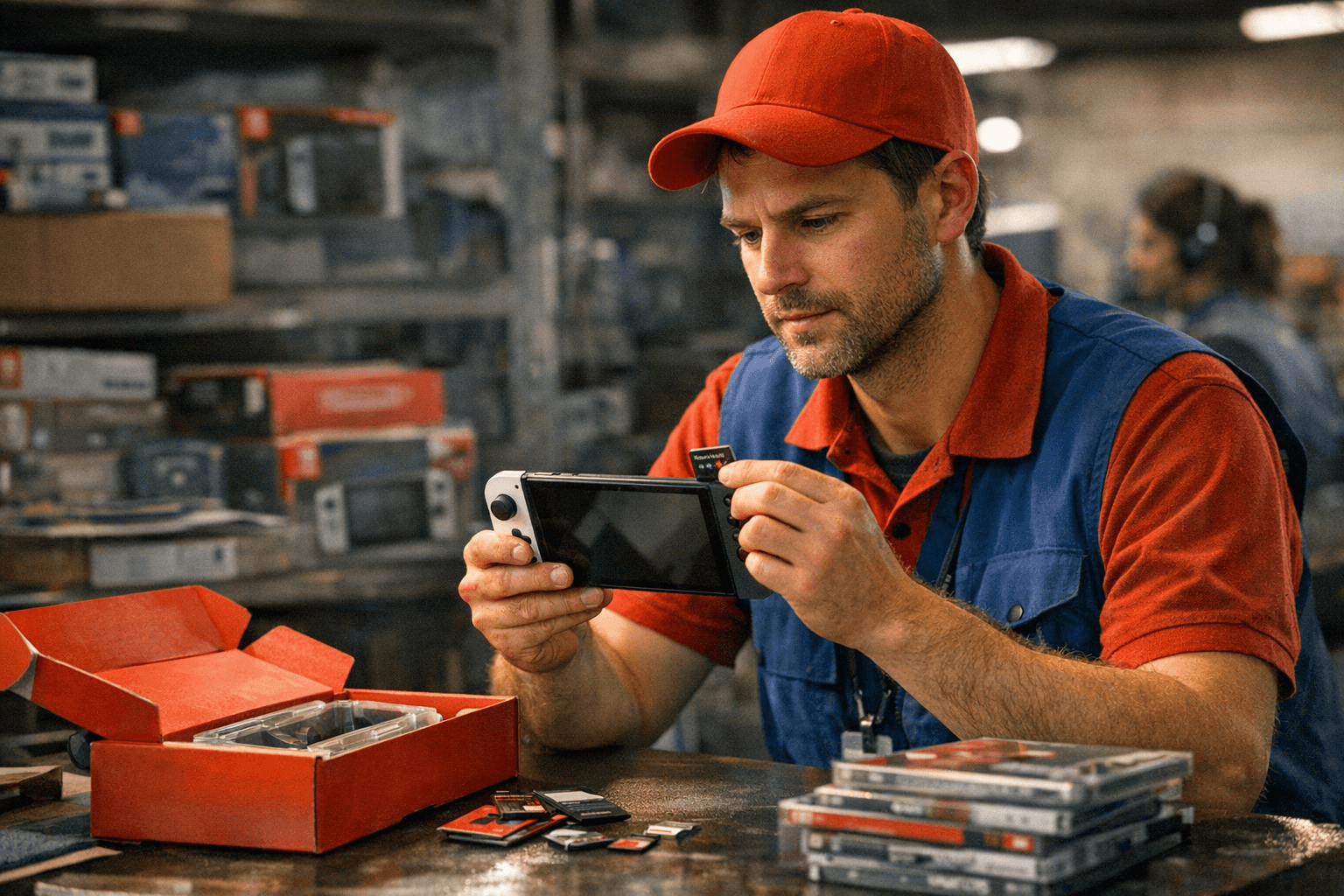
Nintendo is making storage a front-line issue on Switch 2. The system ships with 256GB of internal storage and expands only with microSD Express cards, a choice that turns what can look like a spec-sheet footnote into a launch-readiness problem for development, testing and retail.
That detail matters because modern games keep growing. Bigger textures, larger audio banks, higher-resolution assets and more frequent updates all push install sizes higher, and Nintendo’s decision signals that external storage on Switch 2 is expected to perform at a higher level than the previous generation. For developers, that changes how content is packaged, how patch plans are built and how assets are staged for delivery to players.
It also changes the work on the back end. QA teams need more coverage around install, transfer, resume and corruption scenarios, because storage is no longer a generic add-on that can be treated as interchangeable. If a build behaves differently depending on the card in the console, that becomes a quality issue, not just a consumer inconvenience. In a company built on polish, that means storage has to be tested as carefully as input latency, load times or save-data reliability.
The impact reaches beyond engineering. Support documentation has to reflect the specific card class the hardware expects, and retail teams need clear messaging at checkout so buyers understand what works and what does not. A launch mismatch here can quickly turn into returns, support calls and disappointed early adopters, especially if a game’s download size or update flow is larger than a customer planned for.
Localization adds another layer. More languages can mean more data, especially in text-heavy and voice-heavy projects, so storage planning affects regional releases as much as it affects the base build. For teams spread across Japan and global offices, the storage strategy has to be part of production planning from day one, because it shapes scheduling, content delivery and how comfortably a game lands with players on day one.
For Nintendo, the larger lesson is simple: storage is now part of the product experience, not a separate accessory decision. On Switch 2, that means the line between hardware design and software operations is thinner than ever, and a small card slot decision can ripple through development, support and player satisfaction at the same time.
This article was produced by Prism’s automated news system from verified source data, official records, and press releases, then run through automated quality and moderation checks before publishing. The system is built and supervised by the people who set the standards it runs under. Read our full AI policy.
Did this article answer your question?
