Nintendo Switch 2 specs raise testing, QA, and UX complexity
Switch 2 is not just a new box; it is a wider test matrix for every Nintendo team. 4K, 120 fps, GameChat, and compatibility all add friction where players will feel it first.
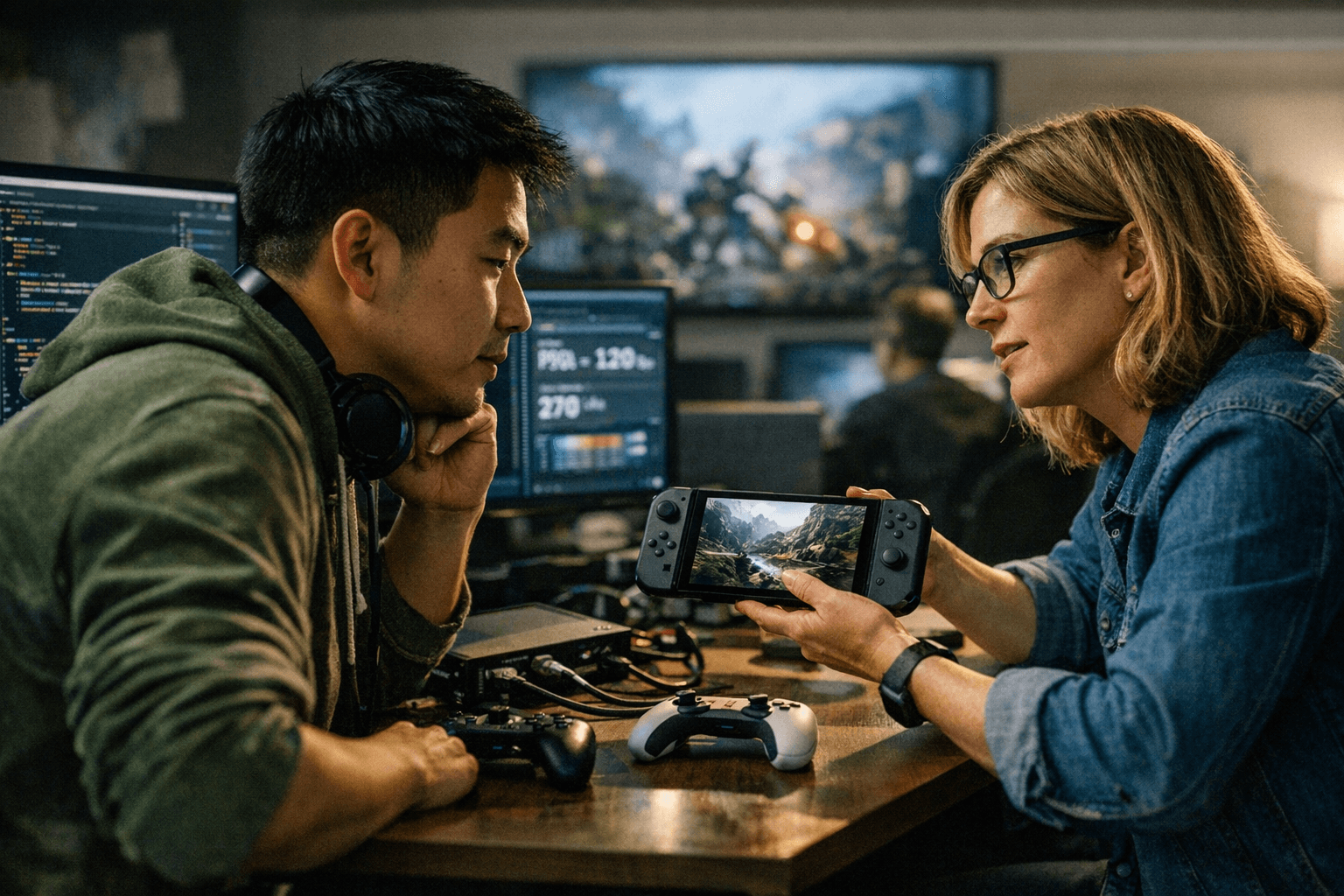
Nintendo Switch 2 turns the spec sheet into a cross-team stress test
Nintendo has built Switch 2 around more than a prettier screen or a faster chip. The system’s 7.9-inch 1080p LCD, HDR10 support, VRR up to 120 Hz, and docked 4K output create a larger technical envelope than the original Switch, while the custom NVIDIA processor, Wi-Fi 6, Bluetooth, two USB-C ports, and 5220mAh battery widen the number of conditions teams have to verify. Add 256GB of internal UFS storage, microSD Express expansion only, magnetic Joy-Con 2 controllers, and mouse-style input in compatible games, and the launch becomes a production exercise as much as a hardware release.
That matters because every one of those features changes the work behind the scenes. Developers now have to think in separate performance lanes for handheld and docked play, plus different targets for 60 fps, 120 fps, and 4K output, which Nintendo says tops out at 60 fps when the dock is pushing 4K. QA has to cover resolution scaling, storage limits, expansion card behavior, charging and port behavior, and the feel of new input methods, all while remembering that the player experience has to stay simple enough to feel like Nintendo.
Performance gains come with a larger testing matrix
Switch 2’s display and output options make visual quality more flexible, but they also make performance validation more fragile. A game can look stable on the 7.9-inch handheld screen and still expose tearing, frame pacing issues, or UI scaling problems once it moves to docked 4K, especially if a team is trying to support both 120 fps modes and the more conservative console standard. For production teams, that means art, engineering, and QA have to align earlier on what “good” looks like across modes, not just in the default configuration.
Storage is another quiet pressure point. The system ships with 256GB of internal storage, but only microSD Express cards are supported for expansion, up to 2TB, which changes how big patches, downloadable content, and installed libraries behave in practice. That is not just a consumer inconvenience. It affects install-time testing, download-error handling, patch size strategy, and the way support teams explain storage requirements to players who expect the new hardware to absorb everything the old system could.
Backward compatibility is a promise with edge cases
Nintendo says Switch 2 is backward compatible with physical and digital Nintendo Switch games, but it also warns that some existing titles may not be fully compatible. That single caveat creates a lot of internal work, because support, QA, and publishing teams have to think about failure states rather than just launch-day enthusiasm. A player who assumes every older game should work perfectly will not care which team owns the problem; they will care whether the game boots, saves correctly, and handles peripherals the way they expect.
The company’s plan to offer free updates or paid upgrade packs for some existing Switch games adds another layer. For development teams, that means the platform is not only a home for new releases, but also a live compatibility surface for older franchises that carry long-term audience expectations. For players, the upside is obvious: better performance or extra content where Nintendo chooses to support it. For internal teams, it means release planning, entitlement logic, and patch coordination have to be managed with more precision than a clean generational break would require.
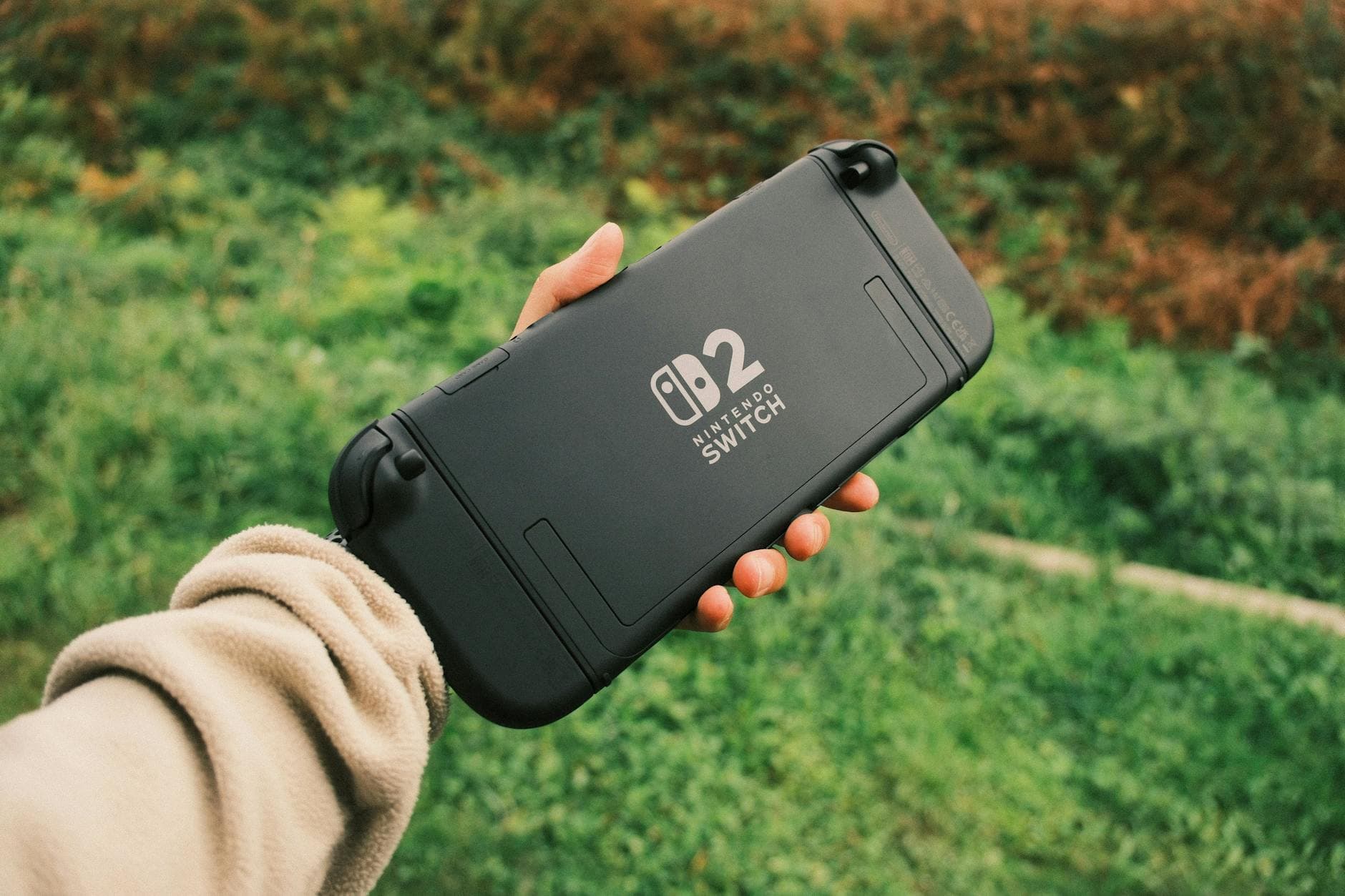
GameChat and GameShare push UX into operational territory
The social features may prove to be the most consequential part of the system from an internal workflow perspective. GameChat requires a Nintendo Switch Online membership and a persistent internet connection, with some regional support pages describing a GameChat Open-Access Period through March 31, 2026. For users under 16, Nintendo says parental controls must be set up through the Nintendo Switch Parental Controls app before GameChat can be used. That turns a feature that sounds casual on paper into a carefully gated service with account, network, and family-management dependencies.
For localization and UX teams, this is where wording matters as much as code. System prompts, error states, age-gating messages, parental-control instructions, and network warnings all have to be clear enough that parents understand what is happening and children do not get stuck in a confusing loop. GameShare adds another layer to that burden because it signals that sharing behavior is now part of the platform itself, which means onboarding, feature naming, and help text have to be consistent across regions and easy enough for a first-time Switch 2 owner to follow without a support call.
Nintendo is shipping a platform, not just a console
Nintendo’s own developer interviews make the internal scope plain. In the Ask the Developer series, Tetsuya Sasaki described Switch 2 as work that involved hardware technology, the software environment for games, and the network services that support them. That framing matters because it shows the launch was designed as a system-level effort, not a hardware refresh bolted onto existing software habits. The work spans engineering, network planning, account systems, storefront logic, and the user-facing rules that govern how people actually interact with the machine.
The business numbers make the stakes even clearer. Nintendo launched Switch 2 in the United States on June 5, 2025 at $449.99, with a Mario Kart World bundle at $499.99. The company later said the system sold more than 3.5 million units worldwide in its first four days, making it Nintendo’s fastest-selling hardware launch ever. That kind of volume compresses every mistake. When millions of new owners are setting up a console at once, even a small issue in onboarding, compatibility messaging, or storage guidance becomes a real support burden.
What Switch 2 ultimately demands from Nintendo is straightforward to say and hard to execute: tighter coordination across development, QA, localization, support, and network operations from the first day of production. The players will feel the promise as a bigger screen, faster output, and easier sharing. The teams inside Nintendo will feel it as a longer checklist, a more complicated compatibility matrix, and a higher standard for making all of it seem effortless.
This article was produced by Prism’s automated news system from verified source data, official records, and press releases, then run through automated quality and moderation checks before publishing. The system is built and supervised by the people who set the standards it runs under. Read our full AI policy.
Did this article answer your question?
