Nintendo turns Mario into a multi-channel brand across products, retail, and consoles
Mario is now Nintendo’s trust test: every new product, retail display, and promotion has to expand the brand without making it feel overworked.
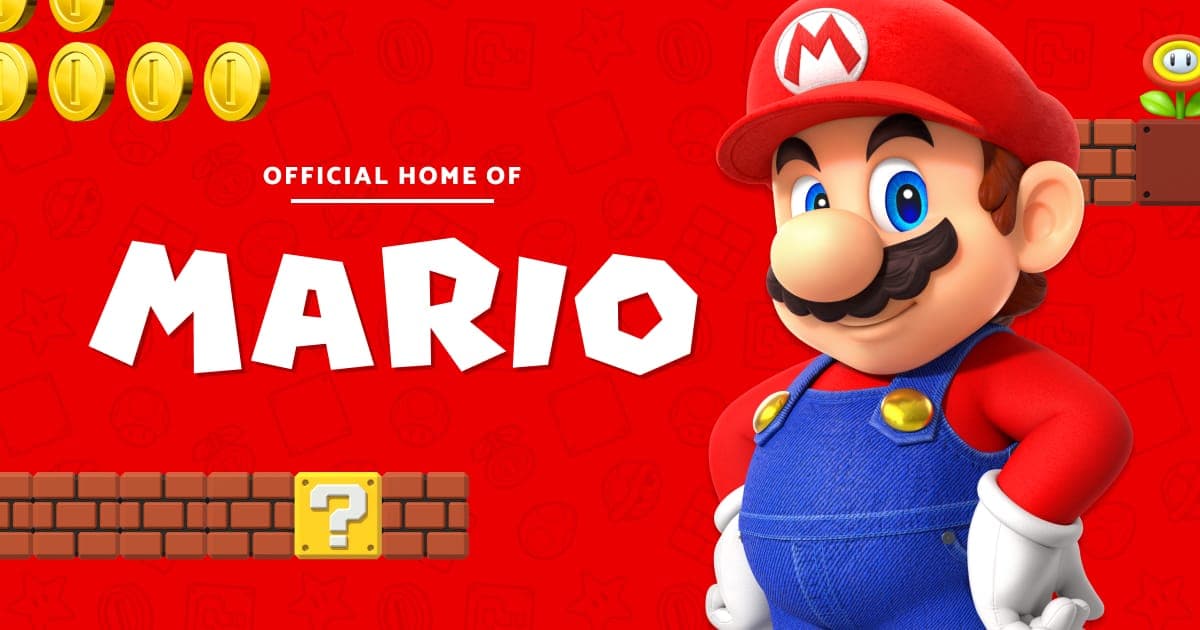
Mario as a brand system, not a single character
Nintendo’s April 9 My Mario announcement and its April 6 limited-time Switch 2 and Super Mario Galaxy promotion show the same thing from two angles: Mario now operates as a multi-channel brand system. One side is built for families and younger audiences through My Mario products and experiences, while the other uses hardware, software, and nostalgia to keep a premium franchise moment in front of shoppers.
For Nintendo teams, that is the real story. Mario is not being stretched randomly across promotions and products. He is being used as a test of whether the company can scale one of its most valuable characters without making him feel scattered, over-marketed, or disposable.
Why consistency matters more than reach
Nintendo’s reputation depends on consistency, and Mario is one of the clearest places that pressure shows up. Every touchpoint has to feel like it belongs to the same universe, whether it appears in a store, on a console, or in a digital news post. That is a higher standard than simple visibility, because the brand has to remain recognizable and affectionate even as it moves into new formats.
That balancing act matters for workers across the company. Creative teams have to protect tone. Licensing teams have to make sure products fit the character’s identity. Legal and merchandising teams have to clear the details. Regional marketing teams have to make sure the message still lands in local markets without losing the core Nintendo feel. The more places Mario appears, the more those groups have to act like one system instead of separate departments.
My Mario is aimed at families, but it still carries brand weight
The My Mario line is designed for families and younger audiences, and that matters because it broadens the character’s reach without shifting him away from his roots. Nintendo is not simply pushing Mario into every possible product category. It is building experiences that keep the character approachable, recognizable, and safe for the audience most likely to encounter him first.
That has workplace implications. For designers and writers, tone is part of the deliverable, not a finishing touch. For operations teams, timing and stock availability are just as important as the creative execution, because a family-facing product loses momentum if it is hard to find or poorly timed. For business teams, My Mario shows how a character can support multiple lines of revenue while still feeling purposeful instead of disposable.
The real value here is trust. Parents are not just buying a product with Mario on it. They are buying into the assumption that Nintendo will handle the character carefully, and that assumption is one of the company’s most durable assets.
The Galaxy promotion shows how nostalgia can still sell hardware
The April 6 Switch 2 and Super Mario Galaxy promotion takes a different route, but it is built on the same logic. Instead of leaning into a younger audience, it uses hardware, software, and nostalgia to keep the franchise visible in a premium setting. That combination makes Mario feel both familiar and current, which is exactly the kind of brand motion Nintendo has to manage when it wants a character to support console strategy as well as consumer products.
This is where the company’s internal discipline becomes visible. A promotion tied to a beloved franchise cannot feel like a cheap reuse of old material, especially for a brand that sells on quality. The opportunity is to make the character pull double duty: remind long-time players why they care, while also giving Nintendo another reason to keep the hardware conversation fresh.
For platform teams, that means the promotion is never just about a game. It is about how a character can help move attention across the entire business, from software visibility to hardware relevance.
IP management inside Nintendo is an operating model
The most important takeaway for employees is that IP management is not a side business at Nintendo. It is part of the operating model. Mario’s role across products, retail, and consoles shows how the company treats character stewardship as a strategic function, not just a licensing decision.
That explains why approval processes can feel strict. When a brand is this central, every new use has to reinforce the core identity instead of diluting it. It also explains why Nintendo can invest so heavily in coordination. The payoff is not only short-term sales, but brand durability, which is one of the company’s most important long-term assets.
The approach also clarifies how Nintendo thinks about growth. Cross-media expansion is not meant to pull the brand away from its foundation. It is meant to reinforce it. Mario can appear in multiple lines of business because the character still serves the same larger purpose: keep the Nintendo universe coherent, trusted, and instantly recognizable.
What this signals about Nintendo’s long game
Taken together, the My Mario rollout and the Galaxy promotion show a company trying to extend one of its most famous characters without flattening him into a generic mascot. That is a difficult balance, especially for a company with a reputation built on polish and restraint. But it is also the reason Mario remains so valuable to Nintendo’s business and culture.
The lesson for the people inside the company is straightforward. Scale only works if affection survives it. If Nintendo can keep Mario feeling like Mario while he appears in stores, on consoles, and in family products, then the brand can keep expanding without losing the trust that makes expansion worth doing in the first place.
This article was produced by Prism’s automated news system from verified source data, official records, and press releases, then run through automated quality and moderation checks before publishing. The system is built and supervised by the people who set the standards it runs under. Read our full AI policy.
Did this article answer your question?
