OPUS: Prism Peak interview highlights narrative photo adventure, Switch 2 porting
OPUS: Prism Peak shows how a small narrative game becomes a Switch 2 strategy test, where porting, pacing, and presentation all matter.
A photo adventure built for adaptation pressure
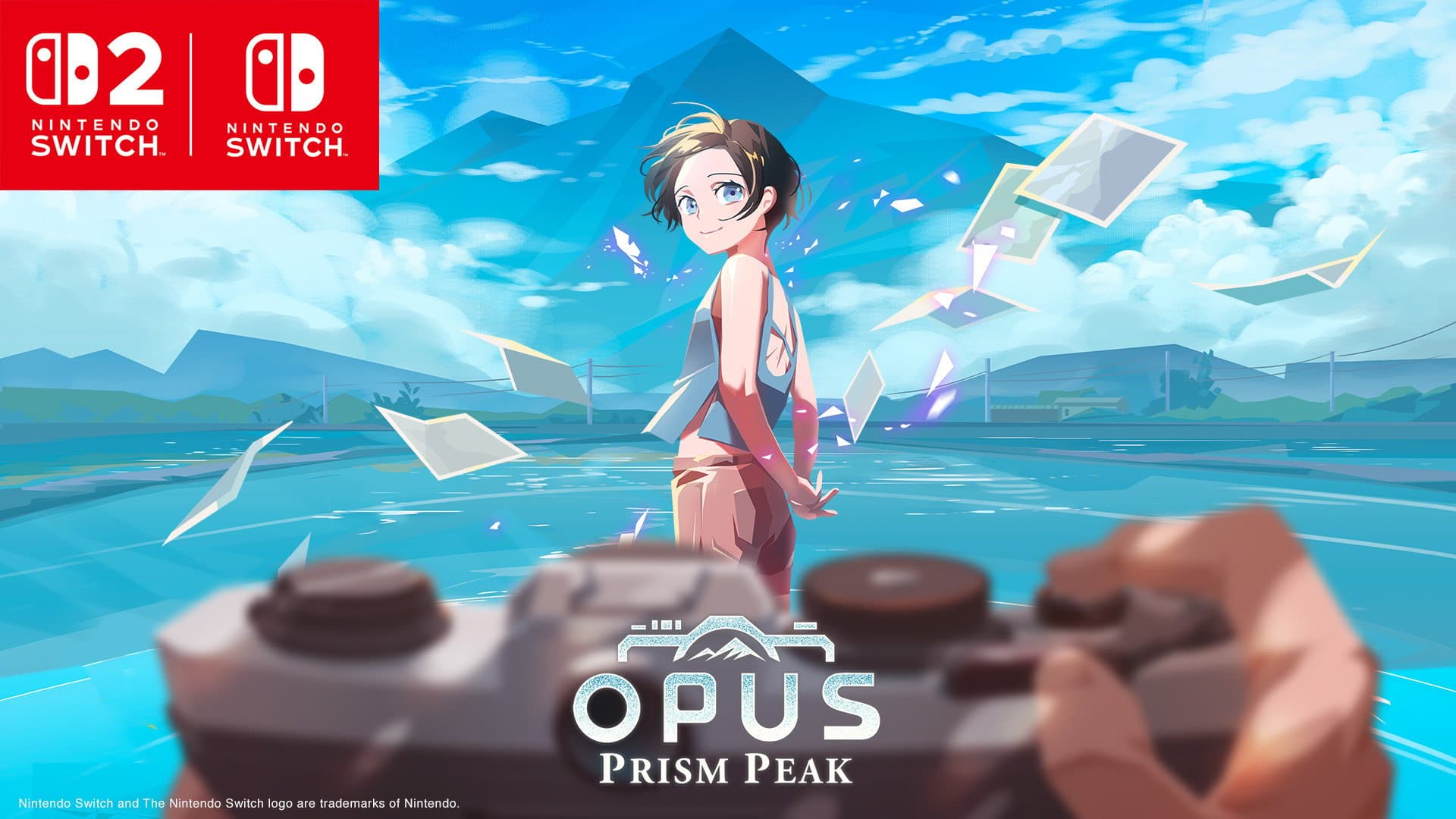
OPUS: Prism Peak is not being sold like a standard indie release, and that is exactly why it matters to Nintendo. The game is framed as a narrative photo adventure, with a story built around Eugene, a weary former photojournalist, and Ren, a mysterious girl in the dreamlike Dusklands where spirits are losing their memories and a camera is the key to moving the plot forward. That structure puts unusual pressure on every team around the game: designers have to make photography feel essential, engineers have to preserve its rhythm across platforms, and publishers have to explain why a quiet, story-driven project deserves attention next to louder blockbusters.
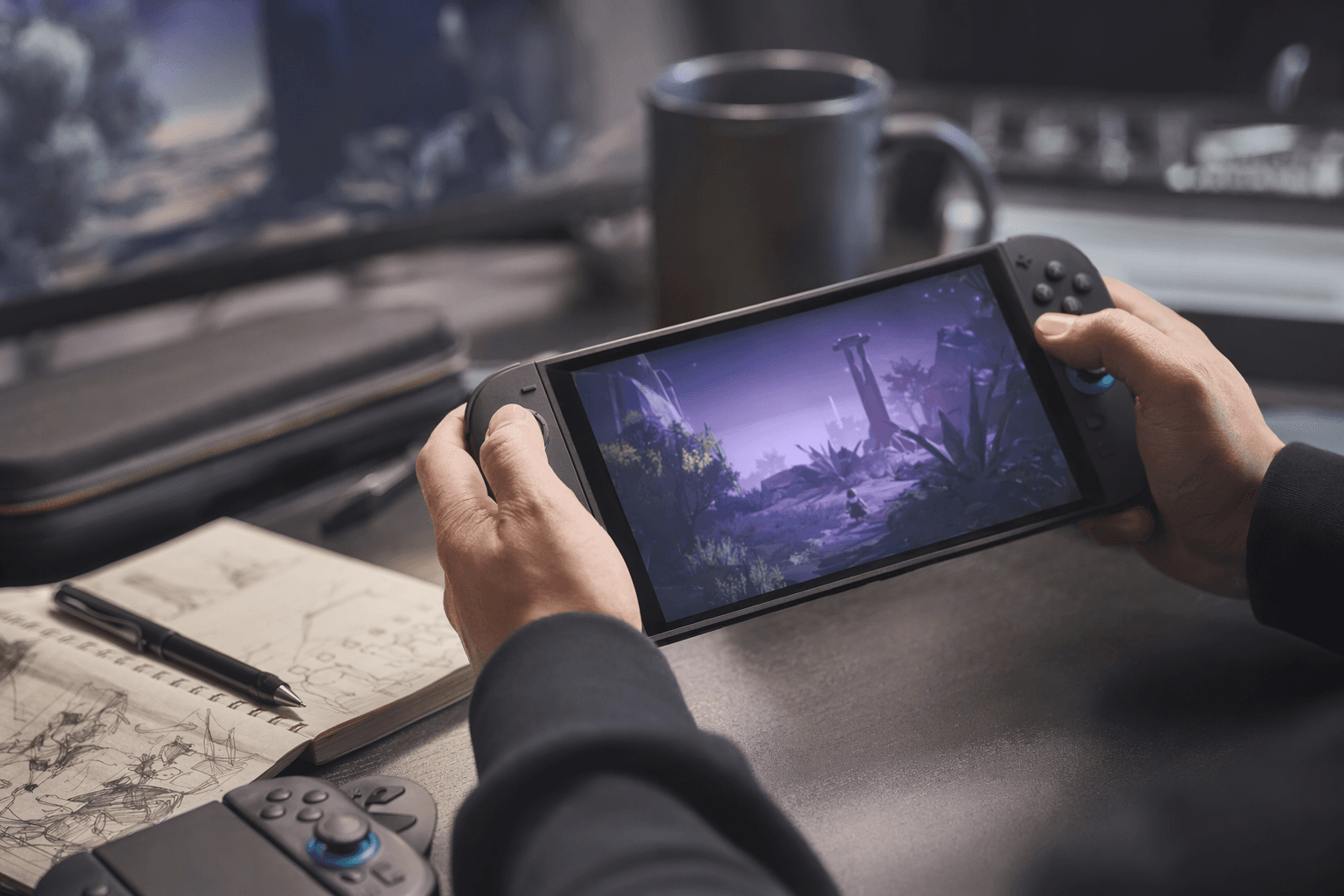
That pressure is useful to watch because it reflects a broader shift in how Switch 2 software gets made and marketed. The strongest indie candidates are no longer only the games that can squeeze onto a handheld, but the ones that can use the system’s larger screen, stronger processing, and flexible controls to present a clearer artistic identity. For a narrative title like OPUS: Prism Peak, those traits are not cosmetic. They shape how players read the game, how long a scene lingers, and whether the emotional beat lands before the next interaction.
What the interview reveals about production, not just promotion
The conversation with SIGONO producer Brian Lee, conducted by Mikhail Madnani, is valuable because it focuses on the work behind the pitch. Rather than treating the game as a generic cross-platform launch, it highlights how narrative, photography, and porting all intersect. That is the real workplace story here: when a game depends on mood and camera-driven interaction, porting stops being a simple technical checklist and becomes an exercise in preserving authorial intent.
For developers and QA teams, that means more than performance tuning. The interface has to remain legible, the pace has to feel right on different hardware, and control schemes have to support the same emotional cadence whether the player is on Switch 2, original Switch, or Steam. A project like this reminds production teams that a successful port is often invisible work, the kind that prevents a small game from feeling like a compromise the moment it changes devices.
Why the release delay actually signals more work, not less
OPUS: Prism Peak launched on April 16, 2026 for Nintendo Switch 2, Nintendo Switch, and Steam, but the path to that date was not smooth. The game was first planned for fall 2025, then moved to March 26, 2026, and then shifted again to April 16 so SIGONO and Shueisha Games could finish cross-platform compatibility testing and certification. That kind of delay can look minor from the outside, but for teams shipping across console and PC it is often the difference between a clean launch and a brittle one.
For Nintendo-facing publishers, the lesson is straightforward: synchronized releases now require far more coordination than simply choosing the same date for every storefront. Certification, platform compatibility, and version parity all become part of the product itself. For localization, marketing, and retail planning, the extra time can be a liability if communication slips, but it can also protect the game’s shelf story if the final package arrives polished enough to justify its positioning.
Switch 2 is changing what a small game can ask for
Nintendo’s own Switch 2 rollout helps explain why a project like OPUS: Prism Peak is worth the extra effort. Nintendo officially announced the system on April 2, 2025 and set its release date for June 5, 2025. The company later said the console sold more than 3.5 million units worldwide in its first four days, making it the fastest-selling Nintendo hardware ever. That kind of early traction changes the math for indies and publishers: there is a real audience to chase, and it is arriving quickly.
The hardware also gives narrative games new tools. Nintendo highlights a 7.9-inch display, Joy-Con 2 mouse-style support for compatible software, and improved processing and graphics power. For a photo adventure, those details matter in concrete ways: a larger screen makes composition and visual detail easier to read, mouse-style input can support more precise camera or cursor interactions, and stronger hardware can help mood-heavy scenes hold together without visible tradeoffs. This is the kind of platform feature set that can make a smaller game feel premium without inflating its scope beyond what the team can actually finish.
Why the game’s presentation choices matter for business teams
SIGONO’s launch materials added two more signals that this was positioned as a serious release, not a side project. The game includes full English voice acting and music by Kevin Penkin, which pushes the presentation toward a more polished, internationally legible package. For business and marketing teams, that matters because clear creative hooks are what let a compact game stand out in stores, storefronts, and press coverage.
The official description also calls OPUS: Prism Peak the latest entry in the award-winning OPUS series, which gives it franchise context even if the audience has not followed every prior installment. That is an important lesson for Nintendo’s partners: a narrative indie can build shelf presence when its identity is easy to explain and its legacy is easy to recognize. In other words, a small game does not need to look small if the pitch is disciplined.
The larger platform lesson for Nintendo
OPUS: Prism Peak shows why third-party experimentation matters to Nintendo’s ecosystem. Big internal franchises will always define the platform’s commercial center, but the breadth of the catalog is what makes a system feel alive between blockbuster launches. A game that leans on memory, photography, and atmosphere expands the audience for Switch 2 in a way that action sequels cannot, and it pushes the platform to support different kinds of creative labor.
That is the career story hidden inside the interview. Designers are being asked to think about mood as interface, engineers are being asked to treat porting as experience design, and publishers are being asked to build a launch plan around clarity rather than noise. On Switch 2, the best small games will not just fit the hardware, they will use its strengths to make their ambition legible, and that is exactly the sort of pressure the platform is now rewarding.
Know something we missed? Have a correction or additional information?
Submit a Tip