Switch 2 Faces Conflicting Signals: Production Cuts Meet Strong Software Sales
Nintendo cut Switch 2 output by a third while Pokopia sent hardware sales up 400%, a contradiction that landed directly on internal planning teams.

The production cut and the sales surge happened within the same month, and the gap between them fell squarely on Nintendo's internal planning teams.
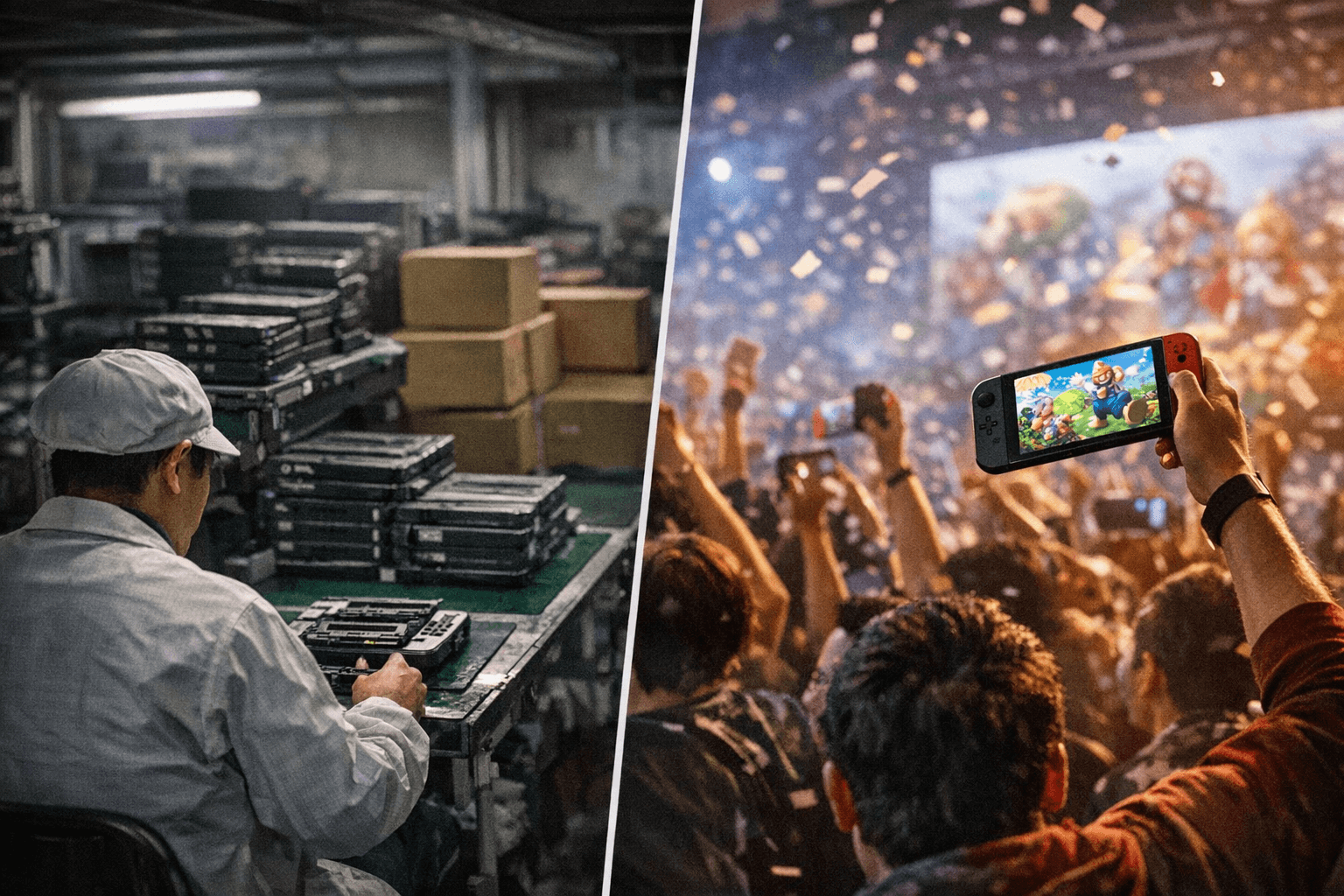
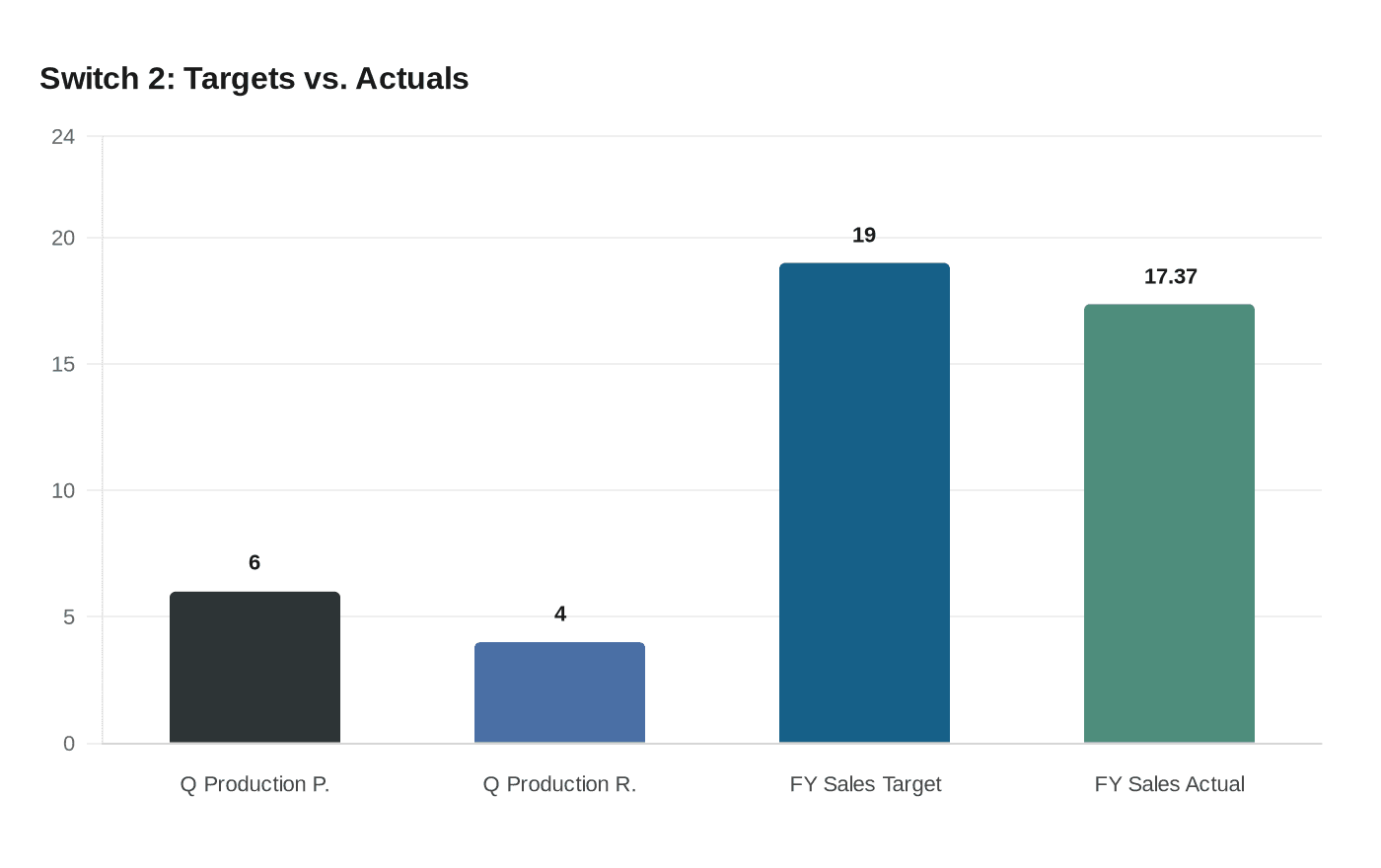
Nintendo reduced its Switch 2 quarterly production target by more than 30 percent, trimming output from a planned 6 million units down to 4 million. The driver was softer-than-expected holiday demand for the $450 console, particularly in the United States, with the reduced rate set to continue into April. That news arrived just three weeks after a sharply different data point: Pokémon Pokopia, a Switch 2 exclusive, sold 2.2 million units globally in its first four days on shelves, including 1 million copies in Japan alone. Hardware sales had spiked more than 400 percent in the week before Pokopia's launch, and Nintendo's share price climbed on the results.
The tension between those two data points is what columnist Rob Fahey called the "Schrödinger's Switch 2" problem in an early April opinion piece: one week the console misses targets, the next it soars on the strength of a single IP release. For teams managing roadmaps, that oscillation is not a narrative quirk; it is a concrete planning hazard.
Pokopia's sales profile tells a clear story. At 2.2 million units in four days and a 400 percent hardware spike, the title confirmed that system sellers drive Switch 2 momentum more decisively than ambient install-base growth. That is useful data. It is also a warning that the platform's trajectory is unevenly distributed across the calendar. Nintendo's own fiscal-year forecast had set a target of 19 million Switch 2 units sold; actual sales reached 17.37 million. That shortfall preceded the production cut and will shape supply availability through at least the current quarter.
For marketing and campaign leads, the implications are immediate. Any promotional plan built against a 6-million-unit supply ceiling now needs to be pressure-tested against 4 million. Bundle performance assumptions, retailer allocation commitments, and campaigns tied to hardware momentum all carry budget exposure if supply guidance moves again before assets lock.
Platform and engineering staff working on the HOME menu, eShop, and GameChat features face a different version of the same problem. Hardware-adjacent development priorities are vulnerable to component availability decisions that arrive downstream with little lead time. Teams with automated build verification and robust handover protocols absorb those changes at lower cost than those relying on informal alignment.
Localization and QA pipelines sit at the sharpest pressure point. When a production schedule compresses or a launch window shifts, certification timelines take the impact first. Pre-checks that are routine under stable conditions become blocking issues mid-sprint.
The questions that leads across product, supply chain, and marketing should be pressing internally right now are specific: What does the attach rate trajectory look like against 4 million units per quarter rather than 6, and has that gap been communicated clearly to retail partners? At what point in the first-party calendar does the next system seller arrive, and has its projected hardware lift been stress-tested against the current supply constraint? Before Grand Theft Auto VI arrives in November 2026 and reshapes the competitive landscape, who owns the go/no-go trigger if supply guidance shifts during an active campaign cycle?
The first-party creative strength that drove Pokopia to 2.2 million units in four days is not in question. What Nintendo's teams are navigating is a planning environment where that creative output and the hardware reality are not yet running on the same track.
This article was produced by Prism’s automated news system from verified source data, official records, and press releases, then run through automated quality and moderation checks before publishing. The system is built and supervised by the people who set the standards it runs under. Read our full AI policy.
Did this article answer your question?
