Tencent beats revenue forecasts as AI spending rises in games industry
Tencent's 9% revenue growth hid a bigger signal for game workers: higher AI spending is already forcing sharper calls on hiring, tooling, and production priorities.
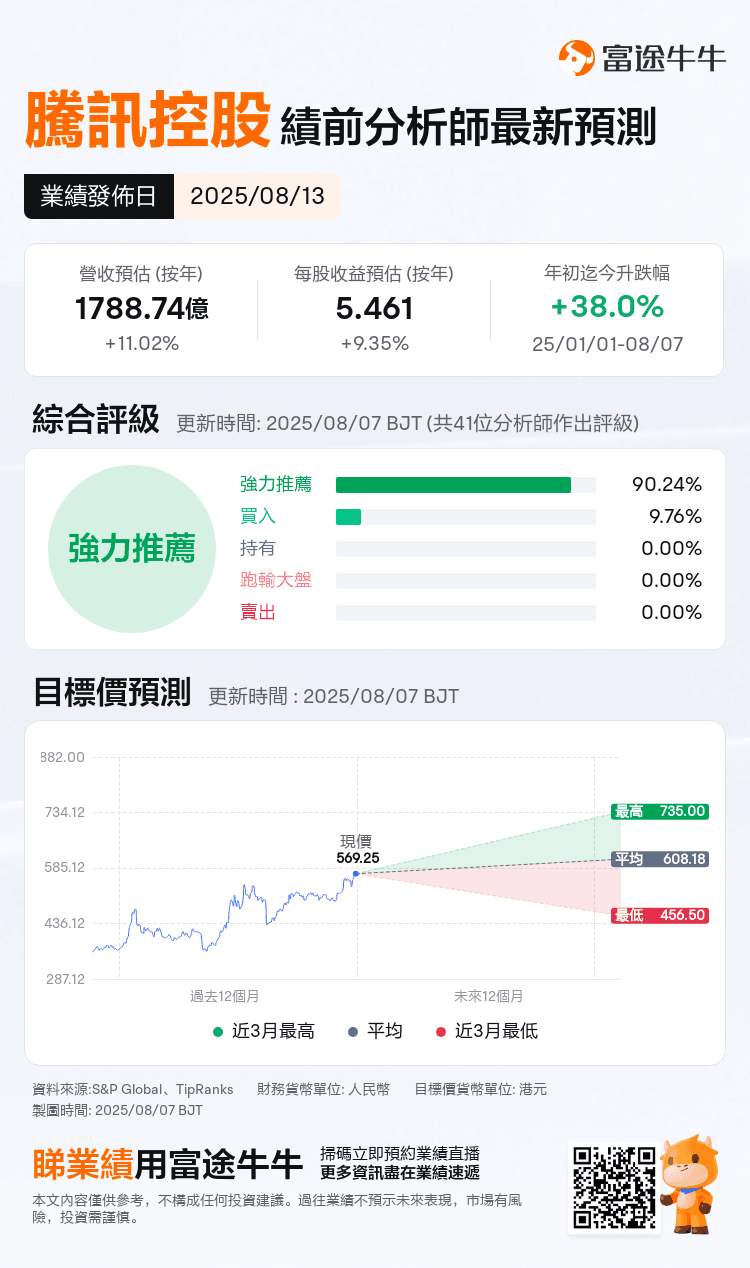
Tencent’s first-quarter revenue rose 9% to 196.5 billion yuan, or $28.94 billion, but the company still fell short of analyst expectations of about 199 billion yuan and reported net profit below forecasts as it stepped up artificial intelligence spending on May 13. In its investor materials, Tencent said it was making “significant progress” in AI capabilities and productivity AI agents, a reminder that the cost of the current technology cycle is landing even at a company with deep gaming reach.
For Nintendo employees, the bigger read is what Tencent’s numbers say about the industry’s spending discipline. Tencent sits at the intersection of games, distribution, platforms and investment, and it remains one of the largest video-game investors in the world. When a company that large is absorbing higher AI costs while trying to protect growth, it can force harder calls on hiring, retraining and which projects keep priority. AI is no longer just a productivity feature. It is a capital-allocation decision that can reshape team structure inside publishers, platform businesses and development organizations.

Nintendo has been pointing in a different direction. In November 2024, Shuntaro Furukawa said, “In order to create very Nintendo products which integrate hardware and software, we must invest in the development environment.” The company has also said its primary development focus is shifting to Nintendo Switch 2, which it announced on April 2, 2025 and set for release on June 5, 2025 at a manufacturer’s suggested retail price of 49,980 yen. That puts the emphasis on hardware-software execution, development infrastructure and franchise quality, not on a public race to outspend rivals in AI.

That contrast matters for developers, QA testers, localization staff and business teams in Kyoto and across Nintendo’s global offices. Tencent’s results suggest the AI push can be expensive before it pays off, which means management teams may become more selective about where the technology actually helps ship games, reduce bottlenecks or support live operations. For a quality-first company like Nintendo, the key question is not whether AI is fashionable, but where it improves production without pulling resources away from the people and pipelines that keep major franchises consistent.
Know something we missed? Have a correction or additional information?
Submit a Tip