DoorDash expands ad platform, changing how Pizza Hut drives demand
DoorDash turned ads into a commerce media platform, with Spotlight and offsite tools aimed at finding new customers and squeezing Pizza Hut's channel mix.
DoorDash is no longer just selling delivery. The company said June 4 that DoorDash Ads is becoming a global commerce media platform, a move that gives the app more power over which brands get seen, which shoppers get reached, and which orders get booked.
The expansion adds new ad formats, offsite reach, campaign automation and measurement tools across DoorDash, Wolt and Deliveroo. DoorDash said the broader ad ecosystem now serves more than 400,000 advertisers globally, and that media dollars through Symbiosys have nearly doubled since it acquired the ad tech platform in 2025. A new homepage placement called Spotlight is central to the push: DoorDash said the immersive format delivered 2x higher click-through rates than banners in testing.

For Pizza Hut, that is more than a digital marketing update. The chain says it has more than 6,000 U.S. locations and offers online delivery and carryout ordering, which makes it heavily exposed to where customers first decide to buy. If DoorDash can shape discovery, capture attention and prove that its ads reach buyers who are ready to convert, Pizza Hut and its franchise operators may have to spend more just to protect share inside aggregator ecosystems.
The stakes run through the entire restaurant operation. For managers, a stronger DoorDash ad stack could mean more traffic during value deals, family meal occasions and sports-driven spikes, but it could also make demand more expensive to win and more dependent on platform campaigns. For kitchen crews and drivers, that can translate into busier rushes when promotions hit, followed by quieter stretches when the algorithms cool off.
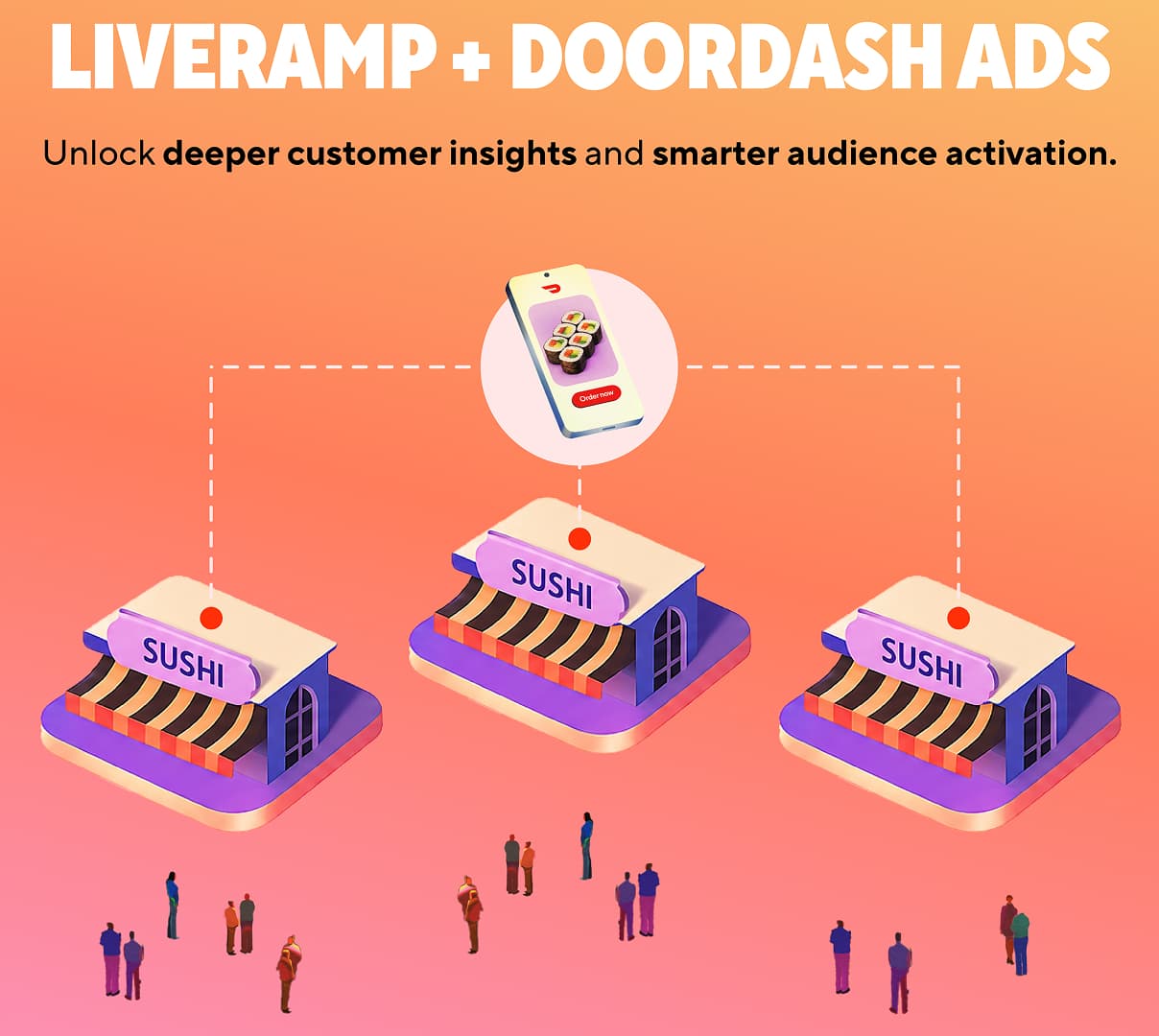
DoorDash also said a LiveRamp partnership found that more than 80% of consumers reached through DoorDash campaigns were new to advertisers’ customer bases. That matters because it frames the platform as a place to find incremental customers, not just steal back existing ones. For Pizza Hut, the problem is familiar across delivery marketplaces: the same app that helps fill orders can also become the gatekeeper that sells the traffic back at a premium.
DoorDash said its Commerce Platform expansion in 2025 was designed to help restaurants grow direct sales and deepen customer relationships across their own channels. The latest ad push suggests the company is still moving in the opposite direction too, building a business that monetizes discovery, delivery and data in one stack. For Pizza Hut, that raises a harder question than who handles the drop-off: who owns the customer after the order is placed.
This article was produced by Prism’s automated news system from verified source data, official records, and press releases, then run through automated quality and moderation checks before publishing. The system is built and supervised by the people who set the standards it runs under. Read our full AI policy.
Know something we missed? Have a correction or additional information?
Submit a Tip