Pizza Hut faces more delivery competition as Favor expands in Texas
Favor’s Texas expansion adds another delivery path to more than 500 locations, raising the stakes for Pizza Hut as customers compare fees, tips and speed across apps.

More Texas pizza orders are being decided by the app screen before a box ever leaves the make line. As Favor adds Auntie Anne’s, Cinnabon, Jamba, McAlister’s Deli and Schlotzsky’s to its Texas delivery network, Pizza Hut workers are facing a market where the real competition is not just between brands, but between platforms fighting to become the default at-home meal choice.
GoTo Foods said on June 18 that the deal would bring more than 500 locations onto Favor, the Texas-only delivery service backed by H-E-B. The companies are keeping those brands on DoorDash, Uber Eats and Grubhub in Texas too, but Favor is being sold as an additional channel with more predictable pricing and lower commission costs than the big national marketplaces. That matters in stores because every added platform can change how orders are routed, how fees are presented and how much time managers spend juggling delivery systems during the rush.
For drivers, the details are blunt. Favor’s delivery pricing includes about a $6 delivery fee, plus a service fee and a driver tip, which makes the checkout screen a major part of the sale. In pizza-heavy markets, customers are used to convenience, but they are also increasingly sensitive to the total cost of getting dinner to the door. When one app makes fees feel lower or tips feel more visible, that can shift where the order lands, and which restaurant gets the business.
The larger delivery market is already squeezing restaurant operators. DoorDash controlled about two-thirds of U.S. delivery market share by the end of 2024, while Uber Eats and Grubhub have been pushing harder on pricing. Uber Eats raised some restaurant delivery commission rates in March 2026, including a 5% increase for certain tiers and a 1% pickup commission increase. Grubhub, meanwhile, has been waiving delivery and service fees on orders of $50 or more and says the move can save customers about $13 per order on average. For franchisees, that kind of competition turns delivery into a margin fight as much as a sales channel.
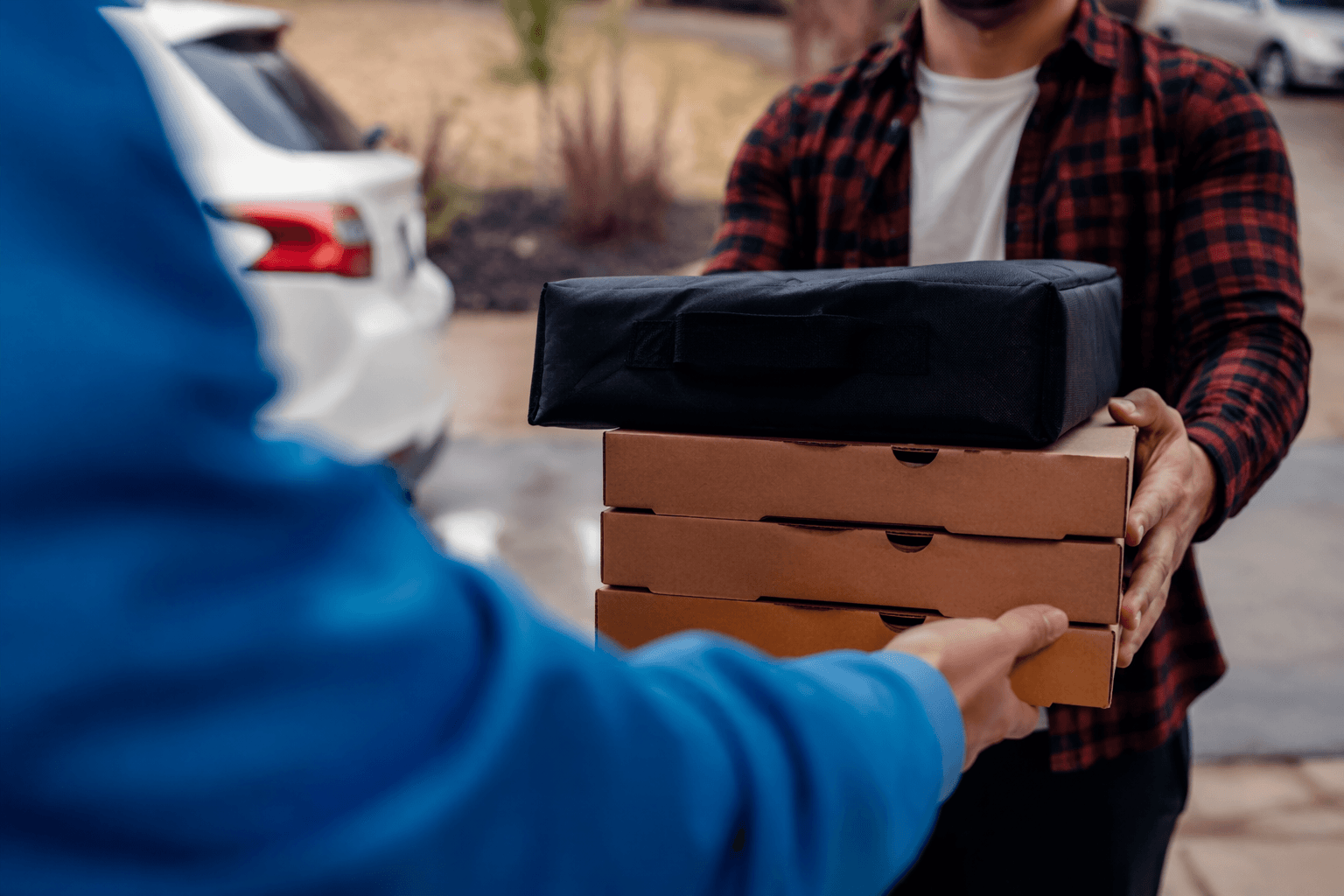
Pizza Hut has been living inside that shift for years. In 2019, the chain said about 90% of its business flowed off-premises, and reporting has shown that close to 90% of new Pizza Hut units were being built as delivery-centric stores. Even with that setup, the brand is under pressure: QSR reported in 2026 that Pizza Hut was projected to close about 250 U.S. locations in the first half of the year as part of Hut Forward, after shuttering 375 domestic units in fiscal 2025. Quick-service pizza sales also turned negative in 2025, with third-party delivery apps cited as one reason convenience is no longer a pizza-chain advantage.
That is why a Favor expansion in Texas matters far beyond the brands on the announcement. Every new platform changes what customers expect from speed, fees and app-based ordering, and the stores that adapt fastest will be the ones better positioned to protect repeat business, keep labor manageable and hold onto delivery sales when the next pricing battle hits.
This article was produced by Prism’s automated news system from verified source data, official records, and press releases, then run through automated quality and moderation checks before publishing. The system is built and supervised by the people who set the standards it runs under. Read our full AI policy.
Know something we missed? Have a correction or additional information?
Submit a Tip