Pizza Hut workers navigate franchise rules shaping career growth
Pizza Hut careers often rise or stall on franchise rules, not just hard work. The people who learn brand systems, training, and local operator priorities usually move fastest.
At Pizza Hut, the path from crew member to shift lead to manager is rarely just about showing up and putting in hours. The bigger force is the franchise system itself, which decides how much authority sits with the local operator, what training looks like, and which skills count most when someone is ready to move up.
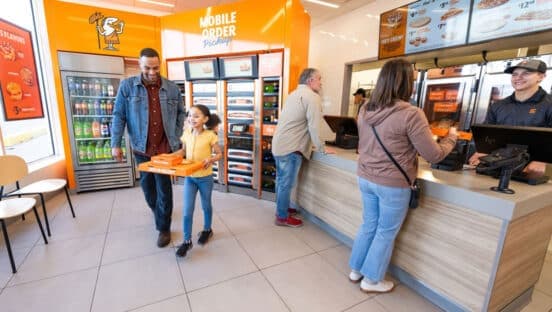
The U.S. Small Business Administration says franchising gives business owners more guidance but less control. That tradeoff matters on the restaurant floor because the brand sets the model, while the franchisee runs the day-to-day operation inside those rules. For workers, that means two stores can feel different in staffing, scheduling, and local culture even when the logo on the door is the same.
Why the same job can look different from store to store
Pizza Hut describes itself as part of the world’s largest restaurant franchise family, with Yum! Brands representing more than 60,000 Pizza Hut, Taco Bell, KFC and Habit Burger & Grill locations worldwide. That scale gives the brand a standardized operating backbone, but it also leaves room for local ownership to shape the experience of working in one store versus another.
Pizza Hut says franchise owners get access to expertise, innovation and supplier relationships through the Yum! system. In practical terms, that means the local operator is not building a restaurant career track from scratch. The brand already supplies much of the playbook, from ingredient standards to operating expectations, and the owner works within that framework. For employees, the real question becomes whether the manager on site uses those systems as a stepping stone for internal development or simply as a way to keep the store running.
Pizza Hut’s restaurant franchise page also lists an initial investment estimate of $579,000 to $2,053,500 for certain restaurant formats. That range underscores how much capital sits behind the counter, and it helps explain why owners care so much about labor efficiency, training consistency and keeping managers who can protect margins while serving customers fast.
What actually gets rewarded on the job
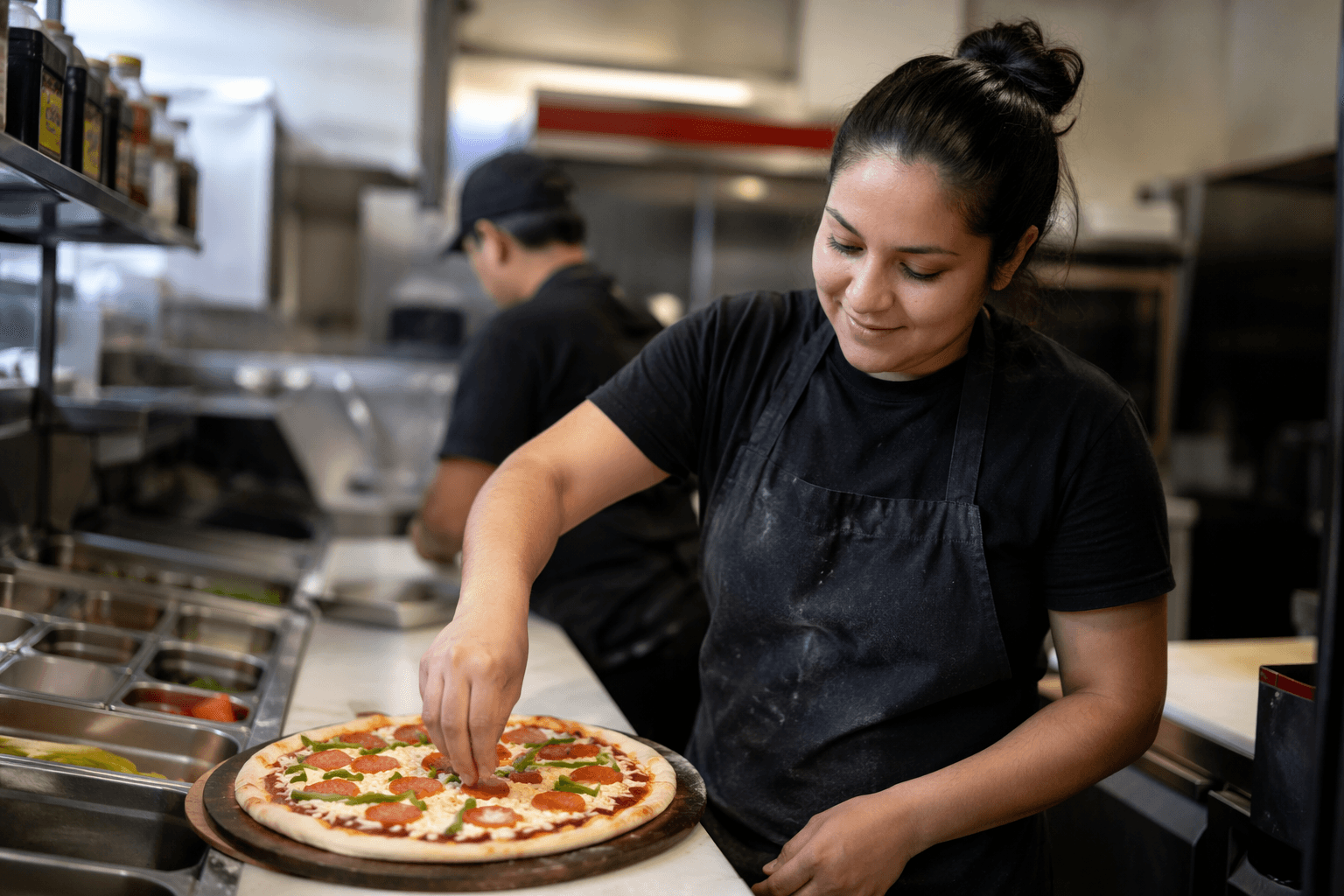
In a franchise restaurant, advancement often comes from mastering the basics that keep the operation stable. That includes punctuality, food safety, speed, guest service, inventory discipline and shift leadership. Those are not flashy skills, but they are the ones that matter when a local operator decides who can close a store, open a store, or eventually supervise others.
For delivery drivers and kitchen crew members, this can be good news. The bar for moving up is often less about formal education and more about proving that you can handle repeatable work under pressure. The U.S. Bureau of Labor Statistics says food preparation workers typically receive short-term on-the-job training lasting several weeks rather than formal credentials, which means the first layer of advancement is usually built inside the restaurant itself.
The same labor outlook points to continued opportunity. The bureau projects about 2.6 million annual openings, on average, in food preparation and serving occupations from 2024 to 2034. For workers who want to climb quickly, that replacement demand can create openings at the exact moment performance starts to stand out.
Training is the hidden career tool
Franchise work can look casual from the outside, but the strongest systems treat education like a job requirement. The International Franchise Association says education is central to success in franchising and offers on-demand courses, live learning and certification programs for people who want to grow in the field.
Its Certified Franchise Executive program is described as the gold standard, and the association says it has 2,500+ active participants. The curriculum covers business development, franchise model management, leadership, legal compliance, operations and marketing. That mix is useful because it mirrors what restaurant managers actually deal with once they move beyond the line or the drive-thru window.
For Pizza Hut employees, that matters in a very specific way. The skills that help someone become reliable on one shift often transfer into broader franchise management later: following systems, coaching others, understanding food cost, and keeping brand standards intact. A worker who learns those habits in one store can often use them in another franchise system, because the underlying language of operations is similar across brands.
Where advancement really comes from
The franchise model rewards people who learn how the system works instead of fighting it. That is especially true in a brand like Pizza Hut, where local ownership matters but the corporate framework still sets the boundaries. Employees who want a long-term career should pay attention to the parts of the job that are easy to overlook: training checklists, inventory counts, sanitation routines, opening and closing procedures, and how managers handle labor coverage during rushes.
For workers trying to move from driver or crew role into shift lead or management, the most practical path is usually straightforward:
1. Learn the store’s operating rhythm, including the rush periods, prep standards and closing routines.
2. Take every training module seriously, because franchise systems often treat consistency as a promotion signal.
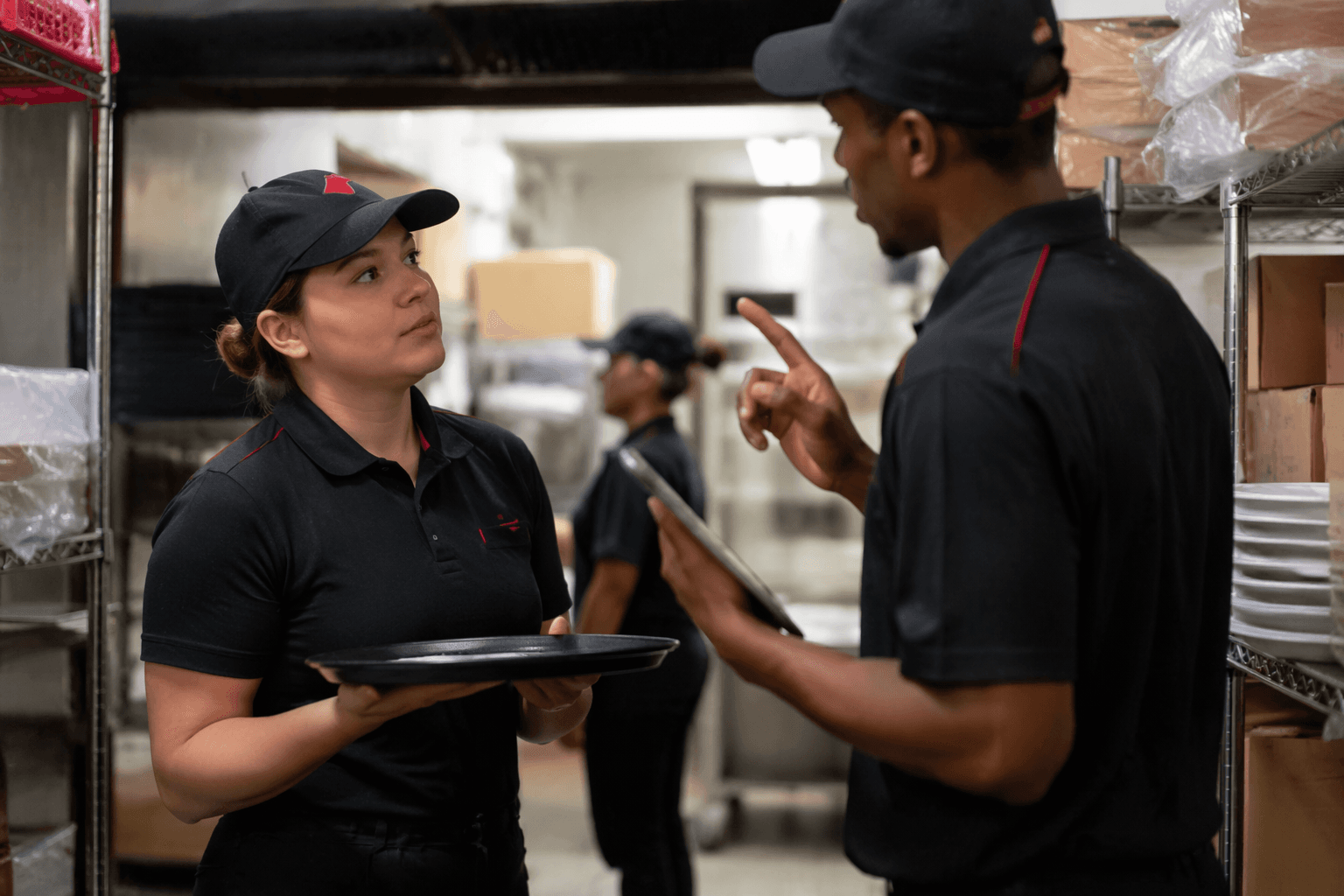
3. Show that you can coach newer workers without losing speed or accuracy.
4. Build trust with the local operator, since franchise owners and store managers often decide advancement based on who can protect the brand and run the shift.
That approach fits the structure Pizza Hut and Yum! Brands use. The company’s system is built to standardize service while leaving execution to local operators. Workers who understand that dynamic can position themselves not just as reliable employees, but as people who can be promoted into the parts of the business that keep franchises running.
The long view for Pizza Hut workers
Restaurant work can feel like a series of shifts, but the franchise model turns each shift into evidence. The more an employee proves they can work inside the brand’s rules, the more valuable they become to a local operator looking for dependable leaders. That is why the best long-term career moves at Pizza Hut often come from fluency in the system itself.
For workers who want to stay in food service, the franchise structure can be an advantage rather than a limit. It creates a common language for training, advancement and management, and it opens doors across a large network of restaurants. In a labor market that keeps generating openings, the people who understand how the franchise machine runs are often the ones who move through it fastest.
This article was produced by Prism’s automated news system from verified source data, official records, and press releases, then run through automated quality and moderation checks before publishing. The system is built and supervised by the people who set the standards it runs under. Read our full AI policy.
Know something we missed? Have a correction or additional information?
Submit a Tip