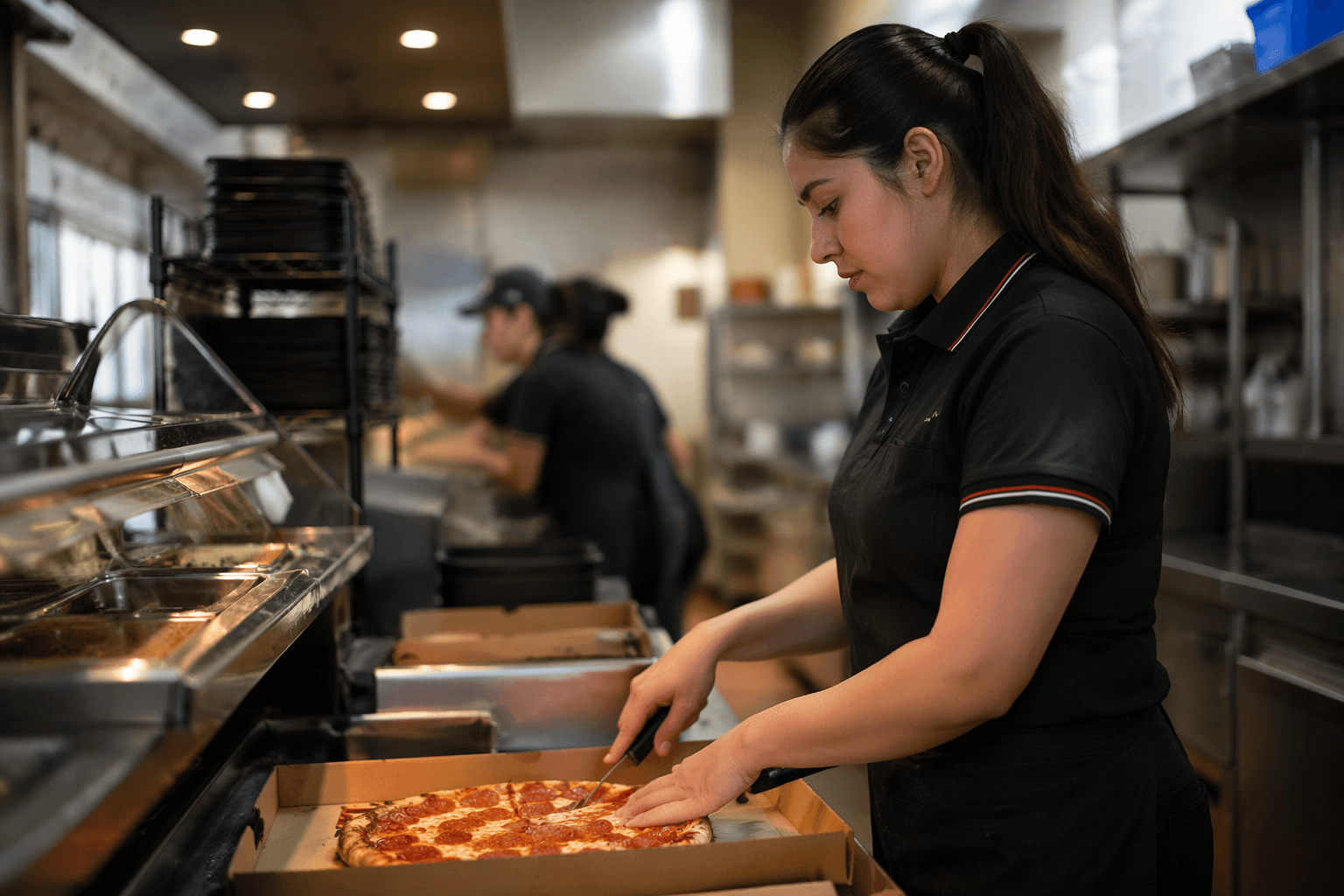
Drone delivery expands, Pizza Hut drivers may feel tipping pressure
Drone delivery is moving into real pizza territory, and the biggest hit for Pizza Hut drivers may be simpler than it sounds: fewer miles, fewer tips, and tighter shift planning.
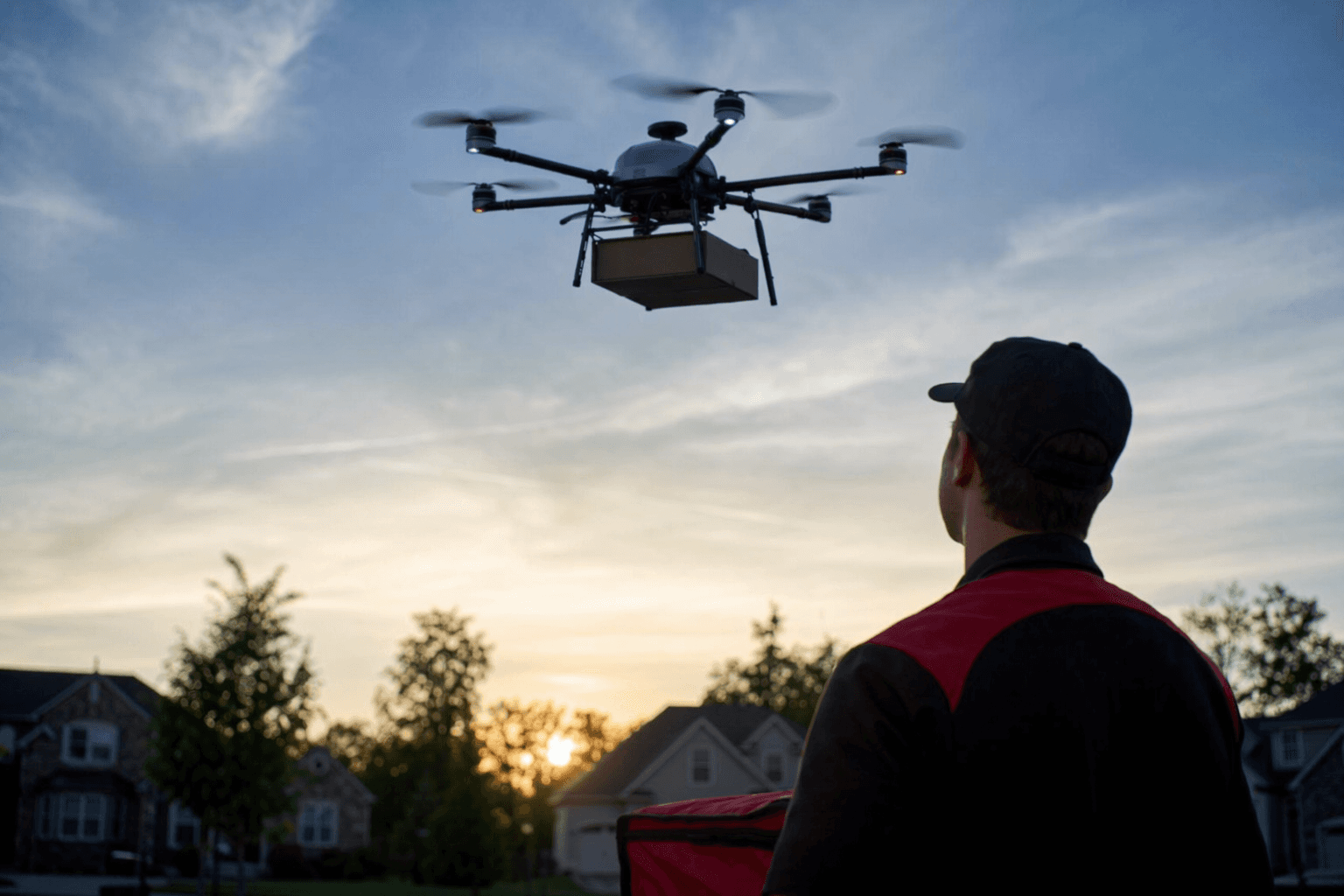
Drone delivery is no longer just a novelty
For pizza teams, the important change is not that drones are replacing every delivery route. It is that a growing slice of orders is starting to move outside the old car-and-driver model, and that changes the economics of every store that leans on delivery. DoorDash and Wing have already taken their partnership from Australia into U.S. markets including Southwest Virginia, Dallas-Fort Worth, and Charlotte, while Wing says it launched America’s first commercial drone delivery service in rural Virginia in 2019 and later brought the model into a major metro through Dallas-Fort Worth.
That matters to Pizza Hut workers because drone delivery attacks the most familiar assumptions in the delivery operation. If an order does not need a driver, it does not need a tip, and it does not carry the same fuel, mileage, and time costs that come with putting a car on the road. For drivers, that is not an abstract industry trend. It is a direct pressure on the pool of orders that make a shift worth working.
Why the pressure shows up first in tips
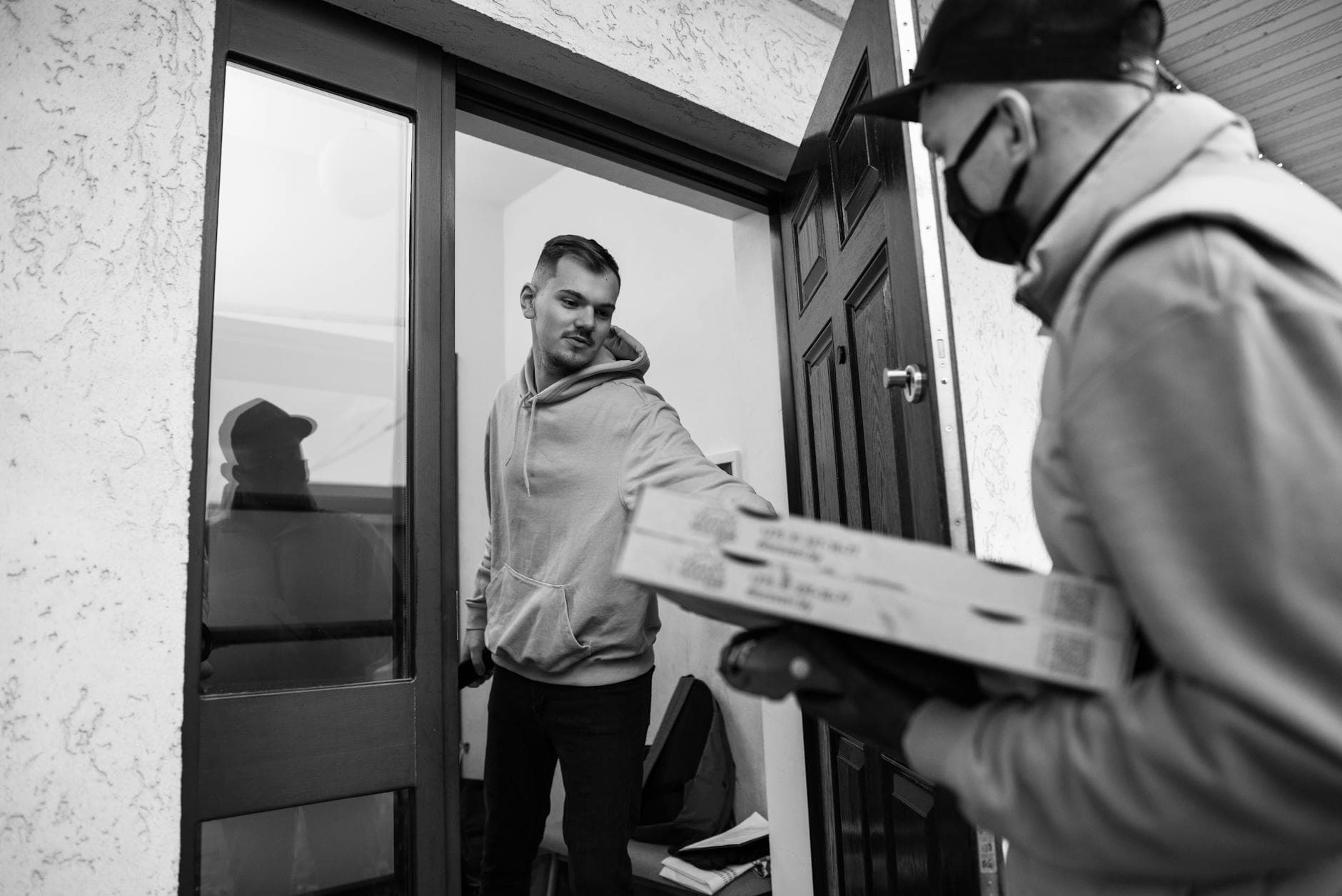
The clearest worker-level change is simple: drone delivery eliminates tipping because there is no driver to reward. That sounds obvious, but it has a real ripple effect in restaurants built around tipped delivery labor, because tips are part of how drivers judge which shifts, zones, and stores are worth their time. If a competitor, or eventually a nearby Pizza Hut franchise, can route even a modest number of orders by air, the remaining human deliveries are left with a different mix of distance, wait time, and payout.
That is why drone expansion should be read less as a futuristic headline and more as a quiet wage and scheduling issue. Drivers may not lose all their work at once, but they can lose the most attractive portion of it, especially in neighborhoods where drones can handle short-hop, suburban drop-offs quickly. In a market where DoorDash, Wing, and now Flytrex are proving that airborne delivery can be part of normal ordering, the old expectation that every delivery mile comes with a tip starts to look less reliable.
The first markets show where drones actually work
The U.S. rollout has not been random. Wing and DoorDash have focused on places where road travel is slower, homes are spread out in workable patterns, and a drone can beat a car on speed without needing a giant network. In Dallas-Fort Worth, the partnership launched in December 2024, and eligible customers can see drone delivery inside the DoorDash checkout flow, which is a strong sign that this is becoming part of mainstream ordering rather than a separate experiment.
Wing has also extended service hours in Charlotte and Dallas-Fort Worth, with the expanded hours first available to eligible customers beginning March 5, 2026. That detail matters because it shows the network is not just growing geographically, it is becoming more operationally mature. For Pizza Hut managers, that is the signal to watch: a delivery method that starts as a pilot can quietly become a real competitor when it gets longer hours, broader coverage, and better integration with the ordering app.
What this means for stores, zones, and labor planning
The operational question for Pizza Hut is not whether drones will replace car delivery everywhere. It is what happens to store planning when a rival can shave off a portion of the delivery workload in the exact areas where pizza has traditionally depended on a driver and a vehicle. That can change how managers think about labor in a few ways:
- Driver schedules may need to flex more around the remaining high-value deliveries, rather than assuming a steady stream of all-distance orders.
- Delivery-zone strategy may become more important, especially if suburban neighborhoods are the places where drone fulfillment is fastest and most reliable.
- Store labor planning could shift as delivery-side hours become less predictable, which affects how much time a location needs on the road versus inside the kitchen.
The pressure is especially relevant in suburban and mall-adjacent zones, which Wing has tied to its Dallas-Fort Worth expansion. Those are the same kinds of areas where pizza chains often rely on car delivery to cover spread-out housing and traffic bottlenecks. When the drone can skip the road entirely, the advantage is not just speed. It is also a different labor structure, one that trims the human workload attached to each order.
Pizza workers should watch the competition, not just the headlines
The strongest evidence that this is moving from concept to operating model came in April 2026, when Flytrex and Little Caesars said they could deliver two large pizzas plus drinks in a single drone trip. Flytrex says its Sky2 drone can carry up to 8.8 pounds, reach up to four miles, and complete the trip in an average of 4.5 minutes from takeoff to delivery. That is a meaningful claim for any pizza chain, because it shows the model can handle a basket that is no longer a novelty-sized snack order.
The same logic is why DoorDash has framed drone delivery as part of a broader autonomous and local commerce strategy, not just a one-off tech demo. DoorDash has also used drone delivery from DashMart in Charlotte, which suggests the company sees airborne delivery as one more layer in its fulfillment stack. For Pizza Hut crews, that means the competition is not just another app or coupon war. It is a different last-mile system, one that can change how many orders reach a driver at all.
The near-term takeaway for Pizza Hut crews
Drone delivery is not about to erase delivery jobs across Pizza Hut stores. Human oversight, maintenance, and regulatory approvals still keep the model from becoming an everywhere, every-order solution. But the direction is clear enough to matter now: delivery is diversifying, and some of the easiest, shortest, most suburban orders are the ones most likely to migrate first.
That has real consequences for driver earnings, store staffing, and how managers think about the balance between in-store labor and road labor. If even a small share of orders moves off the road, the stores that depend on delivery will feel it in the mix of tips, the length of shifts, and the number of human miles the operation needs to pay for. For Pizza Hut workers, drone delivery is less a science-fair story than an early warning about how fast the economics of pizza delivery can change once the road is no longer the only route to the door.
This article was produced by Prism’s automated news system from verified source data, official records, and press releases, then run through automated quality and moderation checks before publishing. The system is built and supervised by the people who set the standards it runs under. Read our full AI policy.
Did this article answer your question?