Labor Department proposal could reshape Pizza Hut franchise accountability
A new Labor Department rule could make Pizza Hut’s franchisor or franchisee answer for payroll and scheduling mistakes, reopening who pays when workers are shorted.
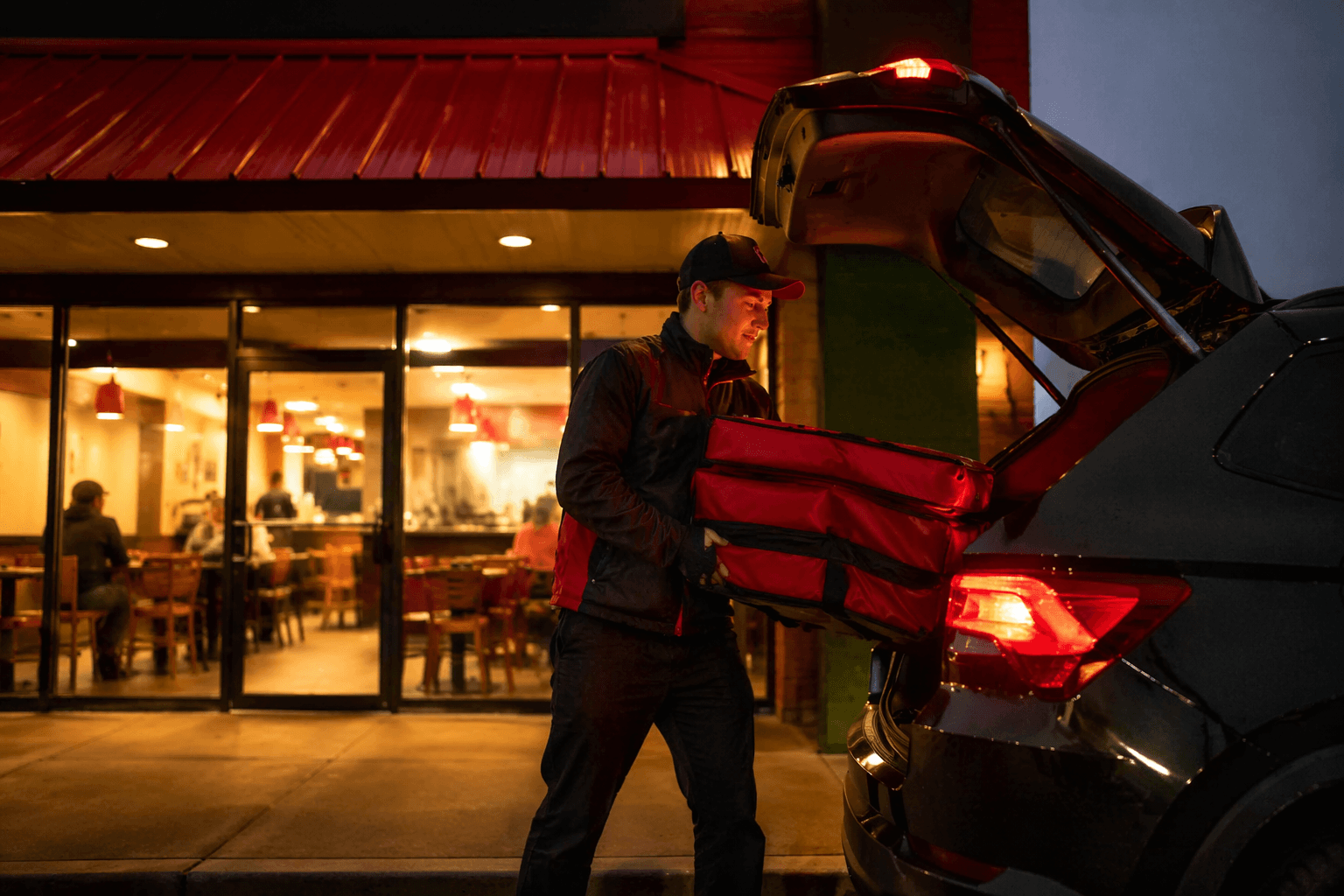
Pizza Hut workers could see the line between the brand and the franchisee matter in a much more concrete way if the Labor Department’s new joint-employer rule takes hold. The proposal is about legal responsibility, but for delivery drivers, kitchen crews and restaurant managers, it comes down to ordinary questions on the clock: who sets the schedule, who trains the shift lead, who fixes payroll errors, and who gets sued when wage-and-hour rules are broken. Under the department’s framework, joint employment means two or more employers share legal responsibility for the same worker, including wage-and-hour protections.
The Labor Department announced the proposal on April 22, 2026, and the comment deadline is June 22, 2026. The rule would apply under the Fair Labor Standards Act, the Family and Medical Leave Act and the Migrant and Seasonal Agricultural Worker Protection Act, giving the department one standard for multiple workplace laws instead of a patchwork of tests. That matters in franchises because a more expansive standard can pull more corporate oversight and compliance pressure upstream to the brand, while a narrower one can leave workers trying to sort out responsibility store by store. The department also rescinded its prior joint-employer rule in 2021 after the 2020 version took effect on March 16, 2020, which shows how often this issue has swung with changing administrations.
Pizza Hut is especially exposed because it is overwhelmingly franchised. Pizza Hut’s franchise page says Yum! Brands represents over 60,000 Pizza Hut, Taco Bell, KFC and Habit Burger & Grill locations around the world. Another industry count put Pizza Hut at 19,942 restaurants worldwide, 6,600 in the United States, and 99% franchised as of December 2023. Flynn Group, one of the biggest operators in the system, says it entered Pizza Hut in 2021 with the acquisition of 900-plus U.S. restaurants and now calls itself the largest Pizza Hut franchisee in the world. After a 45-store acquisition in Alabama, Georgia and Tennessee, Flynn said in March 2025 that its U.S. Pizza Hut total reached 1,027.
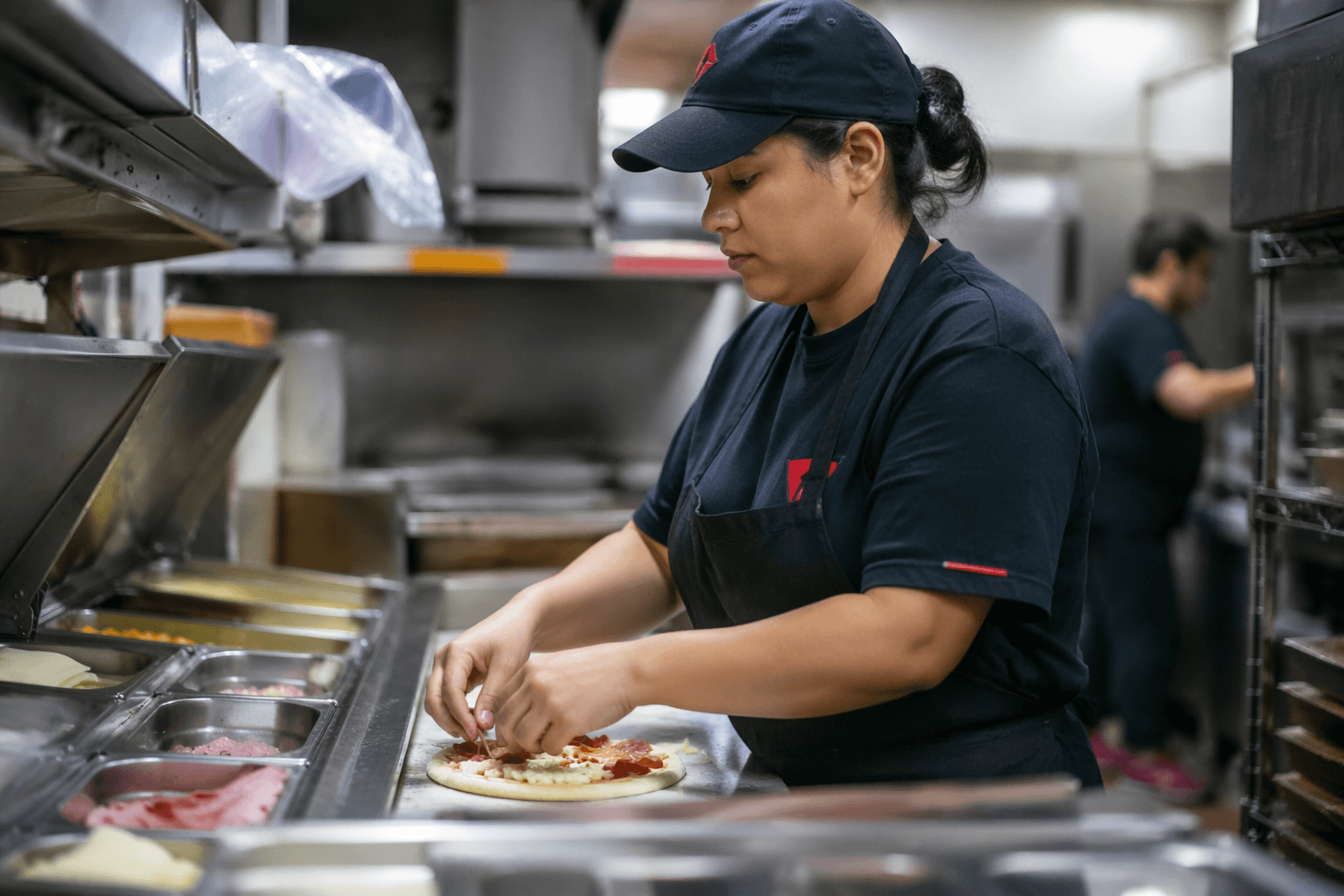
That scale matters because one franchisee’s mistake can ripple across a lot of paychecks. A Pizza Hut franchisee agreed in 2024 to pay $4.75 million to settle a delivery-driver FLSA dispute over unreimbursed gas and vehicle costs that allegedly pushed pay below minimum wage, a reminder that driver pay is still a live issue in a business already squeezed by DoorDash, Uber Eats and thin-margin delivery economics. Restaurant trade groups are pushing back. The National Restaurant Association supports a narrow “direct and immediate” joint-employer standard, and Congress has seen the bipartisan American Franchise Act introduced to codify that approach. For Pizza Hut workers, the legal fight is not abstract: the bigger the brand’s hand in policy, training and systems, the harder it becomes to pretend labor problems stop at the franchisee’s door.
This article was produced by Prism’s automated news system from verified source data, official records, and press releases, then run through automated quality and moderation checks before publishing. The system is built and supervised by the people who set the standards it runs under. Read our full AI policy.
Know something we missed? Have a correction or additional information?
Submit a Tip