Tax-free tips reshape Pizza Hut delivery incentives and order acceptance
Tax-free tips make big Pizza Hut runs look better, and drivers are voting with their acceptance taps.
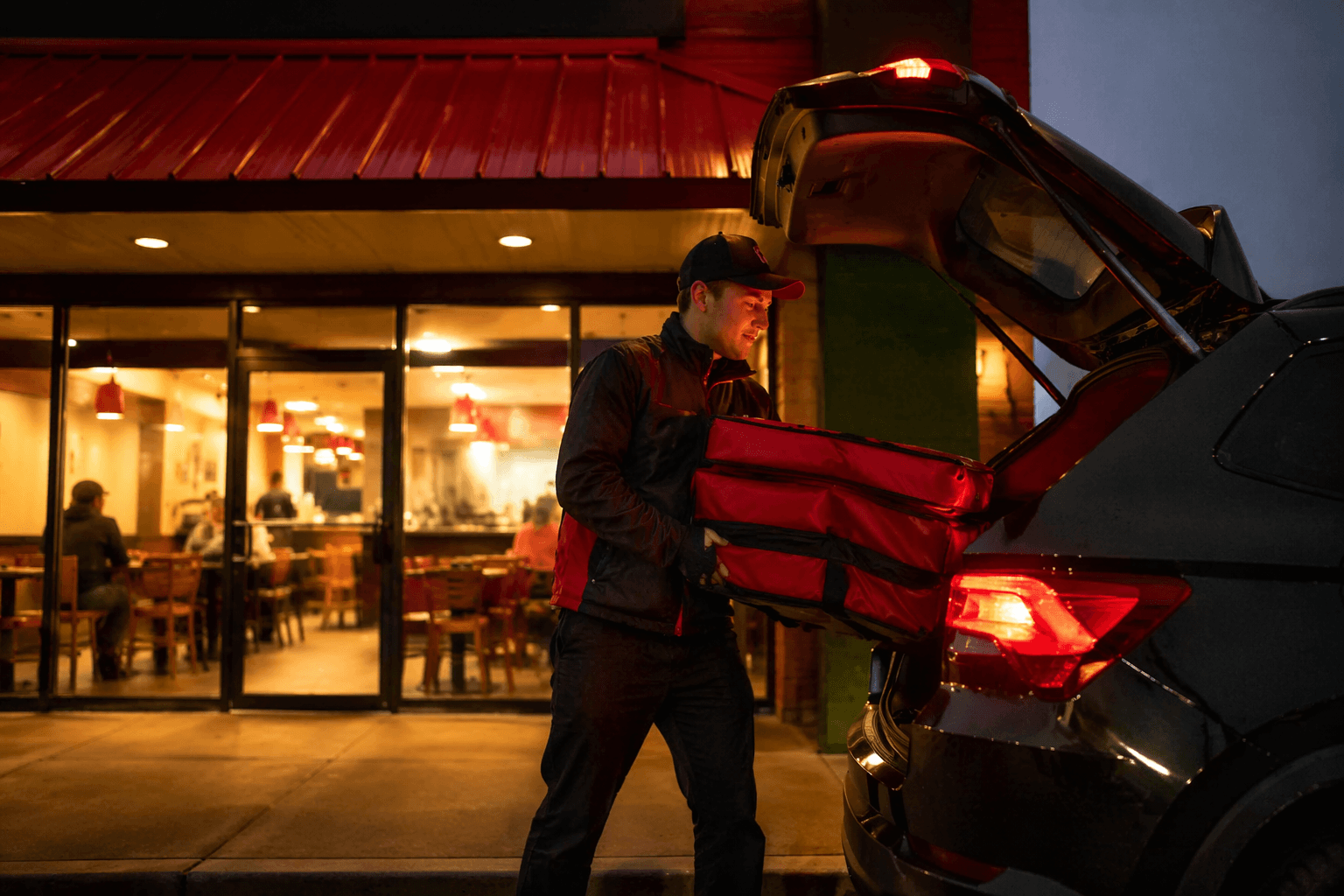
Drivers are chasing the clearest money, not just the shortest drive
Pizza Hut delivery has always been a numbers game, but the math is changing in plain sight. Gig drivers have long been selective about which orders they accept, and the new tax treatment of tips makes that selectivity sharper, not softer. When a higher-value order comes with a visible gratuity, it can rise to the top of the queue fast, while a low-pay or unclear offer can linger.
That matters because the average catering tip cited in the reporting was $43. With tips now tax-free under the IRS guidance for eligible workers in tax year 2025, that kind of tip translates into significantly more take-home income than it did before. For a Pizza Hut driver deciding between runs, that difference can outweigh a few extra miles, especially once fuel, maintenance, and vehicle wear enter the picture.
The result is a clearer hierarchy in the delivery stack. Orders that look profitable become more attractive, and orders that feel vague or underpaid become harder to move. For a store, that means acceptance behavior is no longer driven only by distance or timing. It is also shaped by how transparent the payout looks before the driver taps accept.
Why payout visibility now matters as much as mileage
The most important shift for Pizza Hut managers is that drivers are reading the offer before they are reading the map. If the platform or store gives a clear view of expected payout, gratuity, and ticket size, the trip feels easier to justify. If the driver has to guess, the order competes with alternatives from DoorDash, Uber Eats, and other gig platforms that are constantly pulling at the same labor pool.
That is where order mix becomes a staffing issue, not just a sales issue. High-value catering runs, especially those with obvious gratuities, are more likely to move quickly. Lower-value tickets can sit longer, which can slow makeline flow, stretch dispatchers, and create a ripple effect that affects customer satisfaction well beyond the one delayed order.
This is why transparency is as important as distance. A long run can still get accepted if the payout is strong enough, while a short trip can be rejected if the economics look weak. The lesson for restaurant teams is simple: drivers respond to perceived value, and visible compensation is part of that value.
Pizza Hut’s labor problem has been building for years
The pay issue is layered on top of a broader staffing problem Pizza Hut has already been dealing with. In 2021, Nation’s Restaurant News reported that the chain’s U.S. same-store sales fell 6% in the quarter ended March 31, with staffing shortages centered mainly on drivers. That is a reminder that weak delivery staffing does not stay behind the wheel. It shows up in sales, service speed, and the day-to-day pressure on the rest of the team.
By 2023, QSR Magazine was reporting that Pizza Hut and Domino’s were both feeling the effects of a broader delivery-driver shortage, and chains were responding with higher wages and more perks. That is the economics of labor in this part of the business: if one store cannot get a driver, the whole operation absorbs the delay, from the kitchen line to the customer callback.
Pizza Hut’s own leadership has also framed the problem as a human one, not a mechanical one. COO Chequan Lewis said in 2022 that labor problems should be treated as a human problem with a personalized solution. That matters because the delivery issue is not just about posting a wage number. It is about designing a workday that feels fair enough to keep drivers engaged in a market where gig competition is always one swipe away.
The reimbursement fight shows how fragile delivery economics are
The tax-free tip story lands in a workplace that is already under legal and financial pressure over driver compensation. In 2024, a Pizza Hut franchisee that had owned more than 300 locations nationwide agreed to pay $4.75 million to settle delivery-driver claims over alleged FLSA violations. The claims centered on drivers not being fully reimbursed for gas, vehicle upkeep, and related driving costs.
That settlement came after other reported legal fights as well. Restaurant Business said in 2023 that a Pizza Hut operator was sued over alleged under-reimbursement tied to personal-car use. For drivers, those cases reinforce a core point: base pay and tips are only part of the story. If mileage and car costs are not covered well enough, an order can look profitable on paper and still feel like a losing trip in real life.
For managers, this creates a fairness problem as much as a staffing problem. A store can get into trouble when one driver repeatedly gets the best runs, while another absorbs the long, low-tip, wear-and-tear-heavy deliveries. Over time, that can create resentment, slower acceptance, and more turnover. Dispatch fairness is not a soft issue in delivery. It is part of the pay structure.
What Pizza Hut managers should watch on the floor
The practical takeaway is that order design now affects labor behavior just as much as labor availability does. If the restaurant wants faster acceptance and smoother service, it has to think about how orders are bundled, how payout is shown, and how the mix of catering, carryout, and smaller delivery tickets is distributed across the shift.
A few things matter most:
- Make payout as transparent as the system allows, so drivers can judge value without guessing.
- Watch how often low-value orders sit longer than high-value catering runs.
- Track whether fuel-heavy or wear-heavy routes are repeatedly landing on the same people.
- Balance the day so one driver is not left with all the weak offers while another gets the best tips.
- Treat mileage reimbursement and tip structure as part of retention, not just accounting.
The IRS guidance on the tips deduction also gives this conversation a broader frame. Treasury and the IRS said the proposed regulations identify nearly 70 tipped occupations, grouped into eight categories, including beverage and food service. That means tipping policy is not a side issue for the restaurant world. It is part of how labor gets priced, how work gets assigned, and how workers decide which jobs are worth taking.
For Pizza Hut, the signal is clear. Delivery is no longer won only by moving food fast. It is won by making the trip feel worth taking, and that starts with the economics a driver can see before the car leaves the lot.
This article was produced by Prism’s automated news system from verified source data, official records, and press releases, then run through automated quality and moderation checks before publishing. The system is built and supervised by the people who set the standards it runs under. Read our full AI policy.
Know something we missed? Have a correction or additional information?
Submit a Tip