Pizza Hut drivers, tip-credit rules shape pay and compliance
The 80/20 rule is gone, but Pizza Hut stores still need tight tip, side-work and recordkeeping systems. For drivers, the pay math still depends on tips, state law and local managers.
What changed, and what did not
The federal 80/20/30 rule is no longer the line managers have to draw for tipped employees. On August 23, 2024, the U.S. Court of Appeals for the Fifth Circuit vacated the Department of Labor’s 2021 rule in a case brought by the Restaurant Law Center and the Texas Restaurant Association, saying it did not fit the FLSA. What remains is the older tip-credit framework: employers can count tips toward minimum wage and overtime obligations, but they still have to make up the difference when tips and direct cash wages do not get a worker to the federally required floor, or when state law requires more.
That is the key compliance point for Pizza Hut operators. The DOL says a tipped employee is someone who customarily and regularly receives more than $30 a month in tips, and the federal tipped minimum wage is $2.13 an hour so long as tips make up the gap to at least $7.25 an hour. The DOL also says tipped-employee records are required, and its rules still cover tip pooling, dual jobs and overtime calculations. The old rule may be gone, but the payroll obligation to track and document tipped work is not.
Why Pizza Hut feels this in driver pay
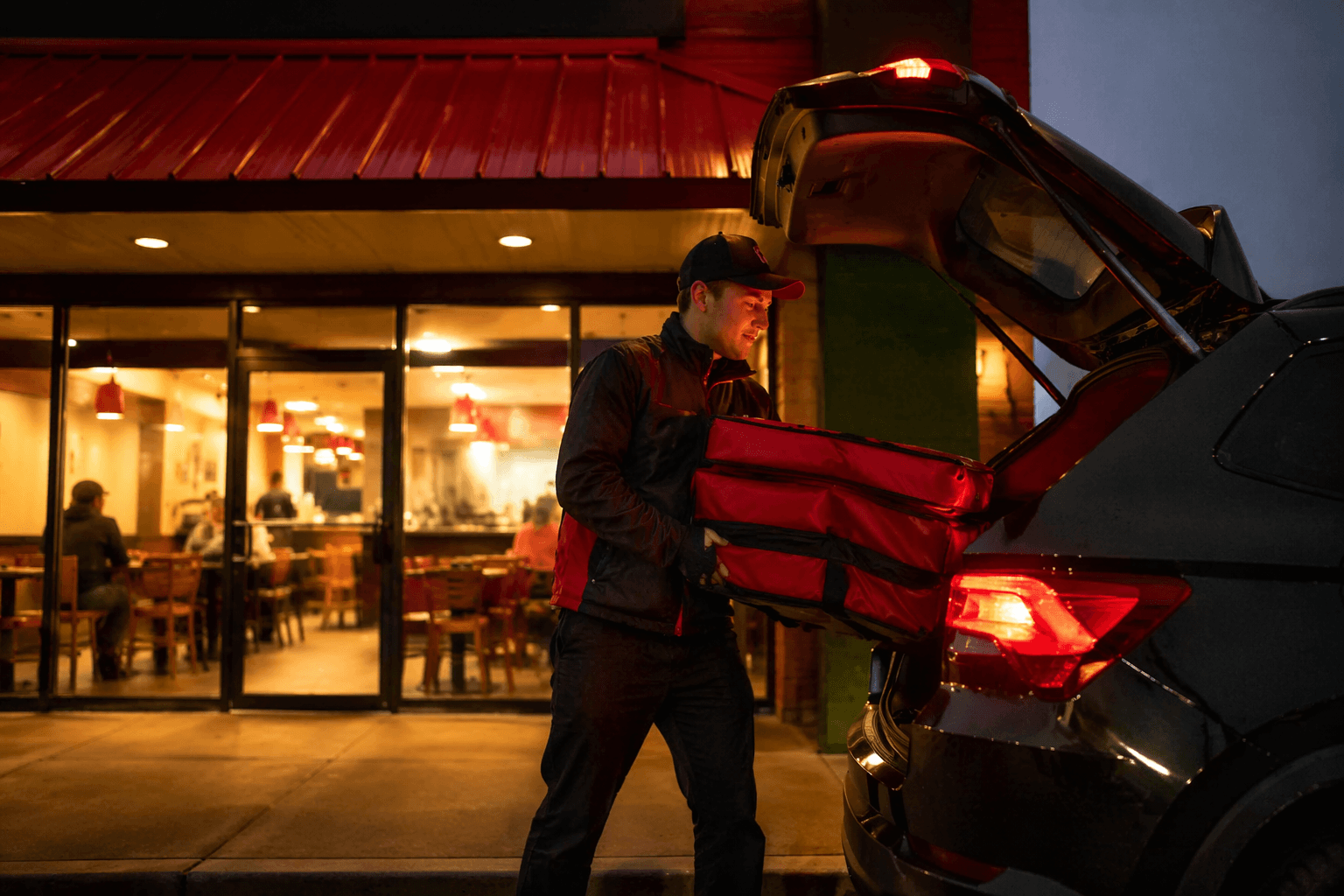
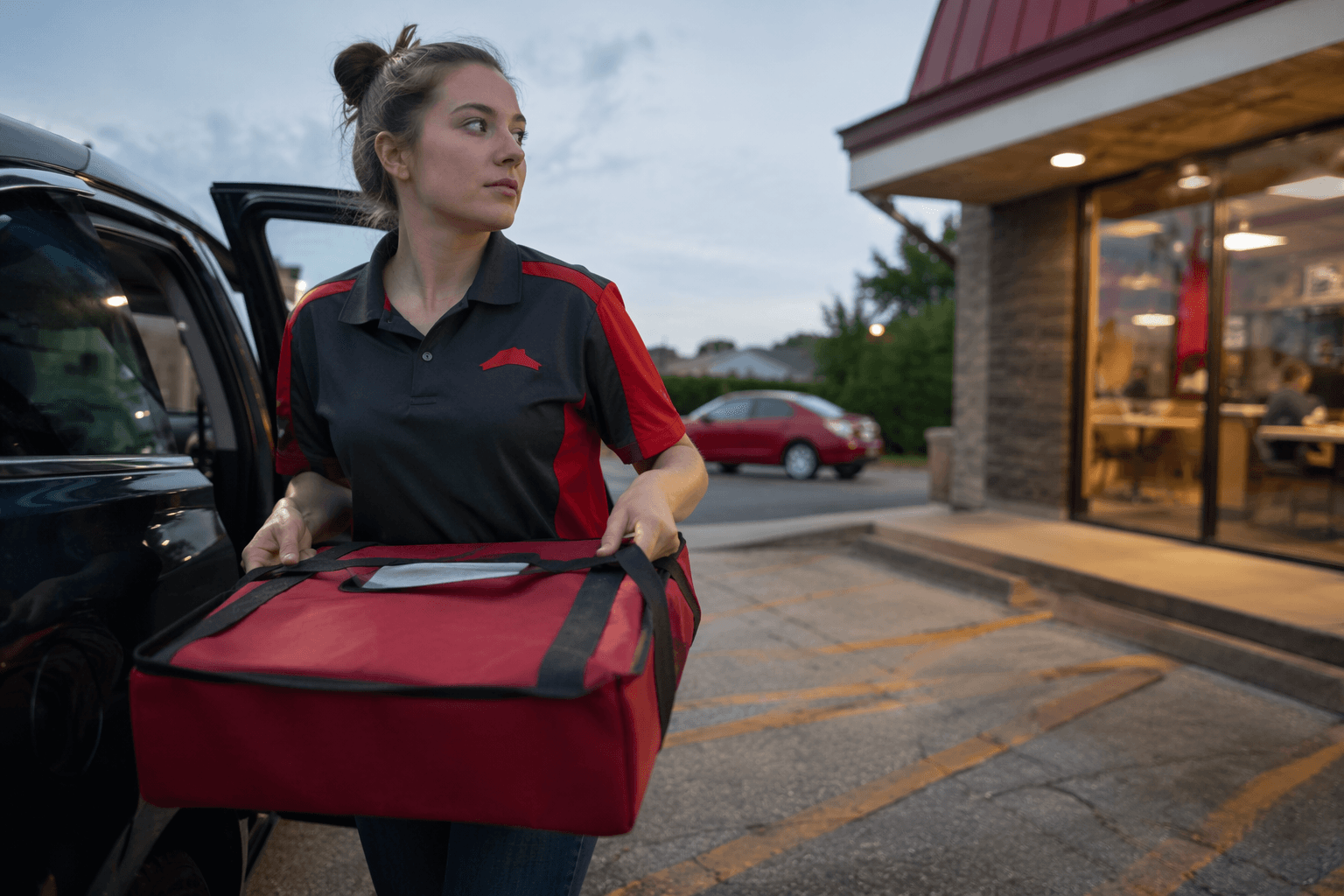
Pizza Hut’s own delivery-driver posting in Hanover, Pennsylvania makes the stakes concrete. The role is advertised as hourly wage plus tips, lists compensation of $4.85 to $8.00 an hour, and requires a valid driver’s license, insurance and a reliable vehicle. The company also says the delivery charge is not a driver tip, which matters because drivers are often paid in a system where customers may assume every fee on the receipt is going to the person at the door.
That mix of hourly pay, tips and fees sits right in the middle of the delivery business Pizza Hut is trying to defend against DoorDash, Uber Eats and the broader gig economy. Drivers want predictable money, not accounting tricks. Franchisees want a labor model that keeps stores staffed without blowing up margins. The tip-credit rules are where those two pressures meet, especially in a chain where local managers and independent franchise owners may set different practices from one market to the next.
Where managers can still get into trouble
The end of the 80/20 framework does not give managers a free pass to schedule tipped workers however they want. It simply removes the specific federal restriction that had been used to police how much non-tipped side work a tipped employee could do before the tip credit was supposed to fall away. If a Pizza Hut driver is spending part of the shift on prep, cleanup, box handling, front-counter help or other store duties, management still has to know whether that time belongs to a tipped job, a different job or a non-tipped assignment that should be paid differently.
That is where recordkeeping becomes more than paperwork. The DOL’s rules still cover dual jobs and overtime calculations, so a driver who also works inside the store can create wage problems fast if the schedule is sloppy or if hours are blurred together. Tip pooling can also raise issues if the store is sharing tips among staff, because the manager still has to make sure the pool is lawful and the records show who got what, when and why. The federal change narrowed one rule, but it did not remove the need for clean timekeeping.
State law is now the real trap door
The biggest missing piece for many Pizza Hut workers is state law. The DOL’s January 1, 2026 state tipped-wage table shows that a lot of states require higher cash wages or do not allow a tip credit at all, including Alaska, California, Minnesota, Oregon and Washington. In those states, the federal $2.13 tipped wage is not the full story, and in some places it is irrelevant.
That matters because Pizza Hut is a franchise system, and the company says independently owned franchised or licensed locations may have different requirements. A driver in one state may be on a very different wage structure than a driver in another state, even if the shirt, the menu and the delivery app look the same. Pennsylvania and Florida also have their own tipped-minimum-wage frameworks, which is why a national franchise cannot run payroll off one simple rule and hope it works everywhere.
What good compliance looks like in a Pizza Hut store
For operators, the safest approach is not complicated, but it has to be disciplined. The store needs a schedule that reflects what people actually do, not just what the shift was supposed to be. It also needs records that show tipped hours, non-tipped hours, tips received, cash wages paid, overtime worked and any tip-pooling arrangement.
A practical system usually means:
- Keeping delivery shifts and inside-work shifts separate when a worker does both jobs.
- Tracking side work, prep and cleanup so managers know when a tipped employee is doing something beyond the tipped occupation.
- Making sure direct cash wages plus tips meet the federal minimum wage, and the overtime calculation is done correctly.
- Training managers that the delivery charge is not a driver tip.
- Auditing records regularly, especially in states with their own tipped-wage rules.
For Pizza Hut drivers, the issue is not whether tips matter. They do. The issue is whether the store can prove, on paper and in payroll, that the work was scheduled and paid the way the law requires. The 80/20 rule is gone, but compliance now depends on something more basic and more demanding: matching every hour on the clock with the right job, the right wage and the right record.
This article was produced by Prism’s automated news system from verified source data, official records, and press releases, then run through automated quality and moderation checks before publishing. The system is built and supervised by the people who set the standards it runs under. Read our full AI policy.
Know something we missed? Have a correction or additional information?
Submit a Tip