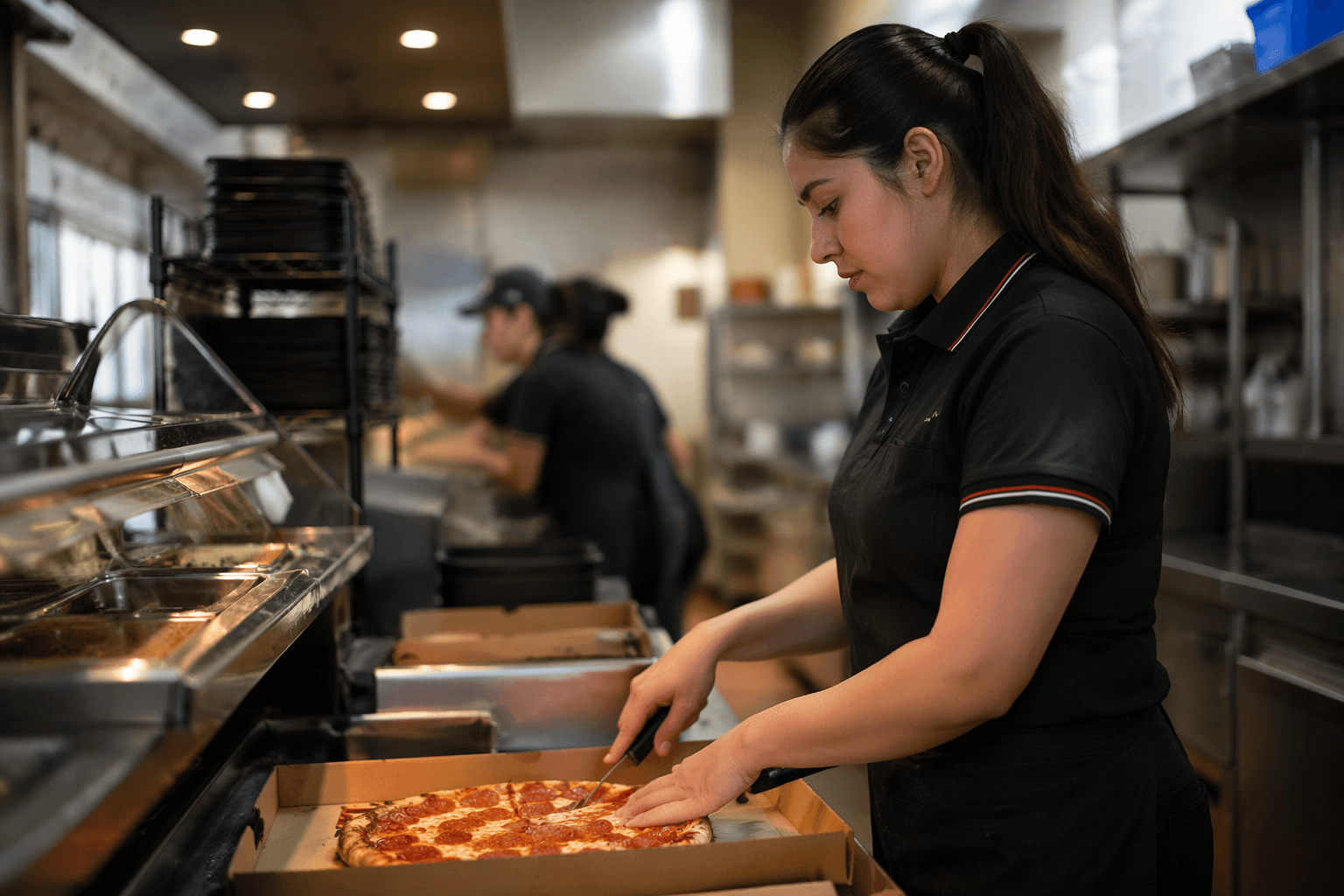
Labor Department proposal could shield Pizza Hut from franchise wage liability
A Labor Department rule would make it harder for Pizza Hut workers to reach Yum! Brands in wage cases, pushing more accountability to local franchise operators.
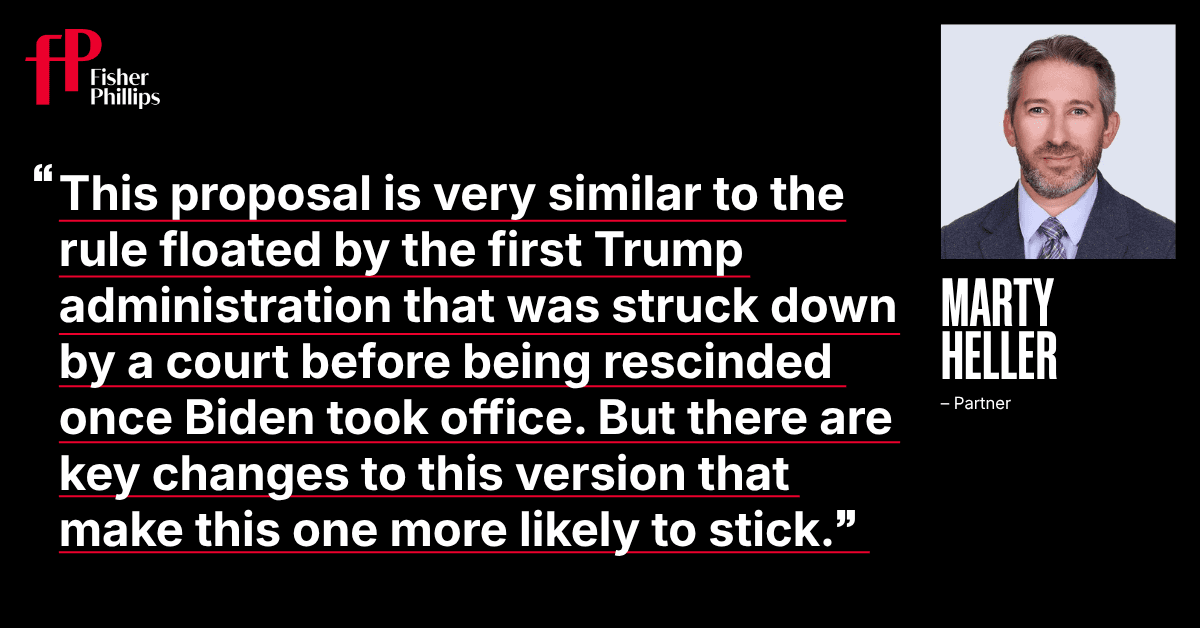
A Labor Department proposal released April 22 could make it harder for Pizza Hut crew members to pull Yum! Brands into wage disputes when pay, overtime or break rules go wrong at the store level. The rule was published in the Federal Register on April 23, opened a public comment period that runs through June 22, and could produce a final version later in 2026.
The draft would narrow when a company counts as a joint employer under the Fair Labor Standards Act, the law that covers minimum wage and overtime, and it would also extend through conforming changes to the Family and Medical Leave Act and the Migrant and Seasonal Agricultural Worker Protection Act. Instead of a broader control test, the department proposed a four-factor vertical standard focused on whether a company hires or fires the worker, supervises or controls the schedule or working conditions to a substantial degree, sets the rate and method of pay, or maintains employment records. It also said that franchisees sharing the same franchisor are not, by themselves, enough to create horizontal joint employment.
For Pizza Hut workers, that matters because the brand runs through a deeply franchise-heavy system. Yum! Brands says it has about 1,500 franchisees operating more than 61,000 restaurants in more than 155 countries and territories, and Pizza Hut U.S. operates on the Byte digital ordering platform alongside KFC U.S. and Taco Bell U.S. That means scheduling, payroll, tip handling, mileage reimbursement and timekeeping can all be managed at the local level, even when the parent brand sets the wider operating system.
If this proposal becomes final, a common wage dispute would likely stay closer to the franchisee that actually ran the store. A delivery driver challenging unpaid gas, vehicle wear, insurance or cellphone costs may still sue the local operator first, but the parent brand would have a narrower path to being treated as the responsible employer. For crews and managers, that makes records matter more, not less. Time punches, tip-outs, mileage logs and written instructions about off-the-clock work can determine whether a payroll problem stays confined to one store or becomes a broader chain-level fight.
The stakes are easy to see in a recent Pizza Hut case. A former franchisee and former operator agreed to pay $4.75 million to settle claims by more than 1,000 delivery drivers who said they were not properly reimbursed for out-of-pocket costs. The case covered work at 321 locations across multiple states between June 21, 2019, and Sept. 27, 2021.
The department said it was trying to bring clarity after years of legal whiplash. In 2021, it rescinded a Trump-era 2020 joint-employer rule, saying that rule was contrary to the statute and congressional intent. That history helps explain why franchise groups are welcoming a narrower standard and worker advocates are warning that it could leave large brands benefiting from control over work conditions without sharing the liability. For Pizza Hut workers, the practical shift is straightforward: the local franchisee would sit even more squarely at the center of any wage fight, while the parent brand would have more room to stay on the sidelines.
This article was produced by Prism’s automated news system from verified source data, official records, and press releases, then run through automated quality and moderation checks before publishing. The system is built and supervised by the people who set the standards it runs under. Read our full AI policy.
Did this article answer your question?