Marco's Pizza Plans 80-Plus New Locations, Tightening Labor Market for Rivals
Marco's Pizza announced 80-plus new locations for 2026, targeting ghost kitchens and delivery-first formats that could tighten hiring and dilute driver tips in local markets.
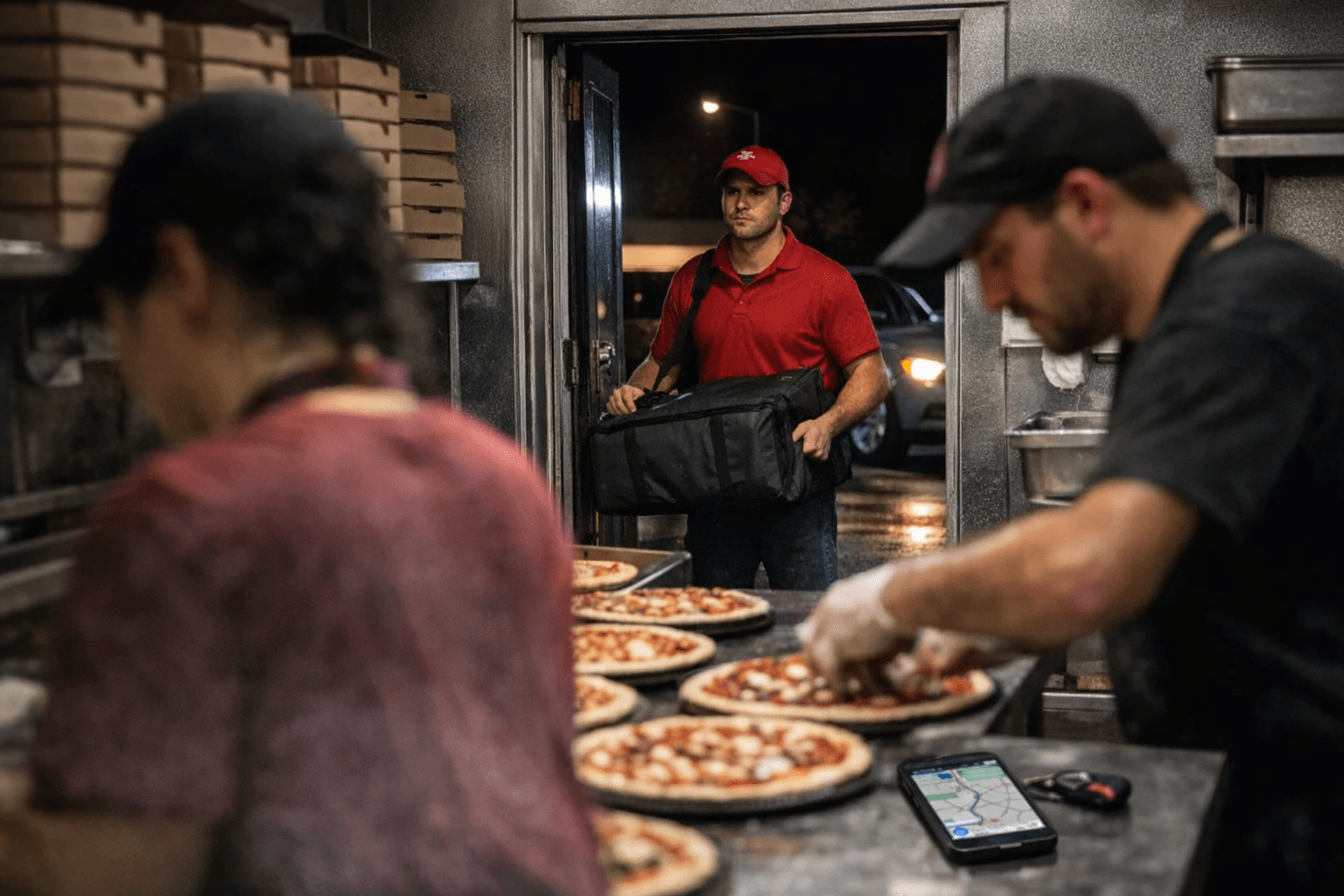
Marco's Pizza, the Ohio-based franchise chain, announced plans to open more than 80 new restaurants in 2026, targeting ghost kitchens and delivery-first formats alongside traditional locations. The move adds competitive pressure to a labor market where Pizza Hut drivers, kitchen crews, and managers already navigate gig-economy headwinds and franchise-level wage decisions.
The expansion, which Marco's development leaders characterized as "thoughtful, scalable growth supported by improved technology and stronger franchisee infrastructure," includes investments in digital ordering tools designed to accelerate unit-level operations. That combination of physical growth and technology investment is the detail worth watching from inside a Pizza Hut kitchen.
For Pizza Hut's hourly labor pool, 80-plus new locations concentrated in suburban and mid-sized markets means additional demand for the same pool of drivers, cooks, and shift leads. When a competitor opens nearby and posts hiring ads, applicants arrive with higher wage expectations shaped by competing offers. Franchised Pizza Hut operators will feel that pressure first at the starting-pay line, before it shows up in turnover numbers.
Delivery drivers face a more specific calculation. Marco's emphasis on ghost kitchens and delivery-first formats means more delivery volume concentrated in local markets. More restaurant outlets chasing the same delivery geography typically means more couriers competing for the same orders, which can dilute per-shift tip totals even as overall delivery demand stays flat. Third-party drivers already move fluidly between apps; a new ghost-kitchen competitor operating in the same zip code is another stop on that circuit.
The broader pizza category has been reshuffling through 2025 and into 2026. Some legacy chains have trimmed underperforming dine-in locations while leaner franchised brands push unit growth and digital upgrades. For hourly workers, that creates an uneven market: more job openings in some areas, but operators competing on different wage and scheduling terms.
For Pizza Hut managers, the practical read is straightforward. Candidates who know what Marco's is paying locally will show up in interviews. Reviewing starting wages, shift flexibility, and referral incentives before a competitor opens is cheaper than addressing the resulting turnover after. On the driver side, tracking tip patterns by neighborhood and adjusting in-house scheduling or incentives accordingly rarely gets attention until margins start slipping.
Marco's 80-plus-unit target is a franchise development goal, and not every market will see new competition. But in the cities and suburbs where that growth lands, the labor dynamics will shift before the paint dries on a new Marco's sign.
This article was produced by Prism’s automated news system from verified source data, official records, and press releases, then run through automated quality and moderation checks before publishing. The system is built and supervised by the people who set the standards it runs under. Read our full AI policy.
Did this article answer your question?

