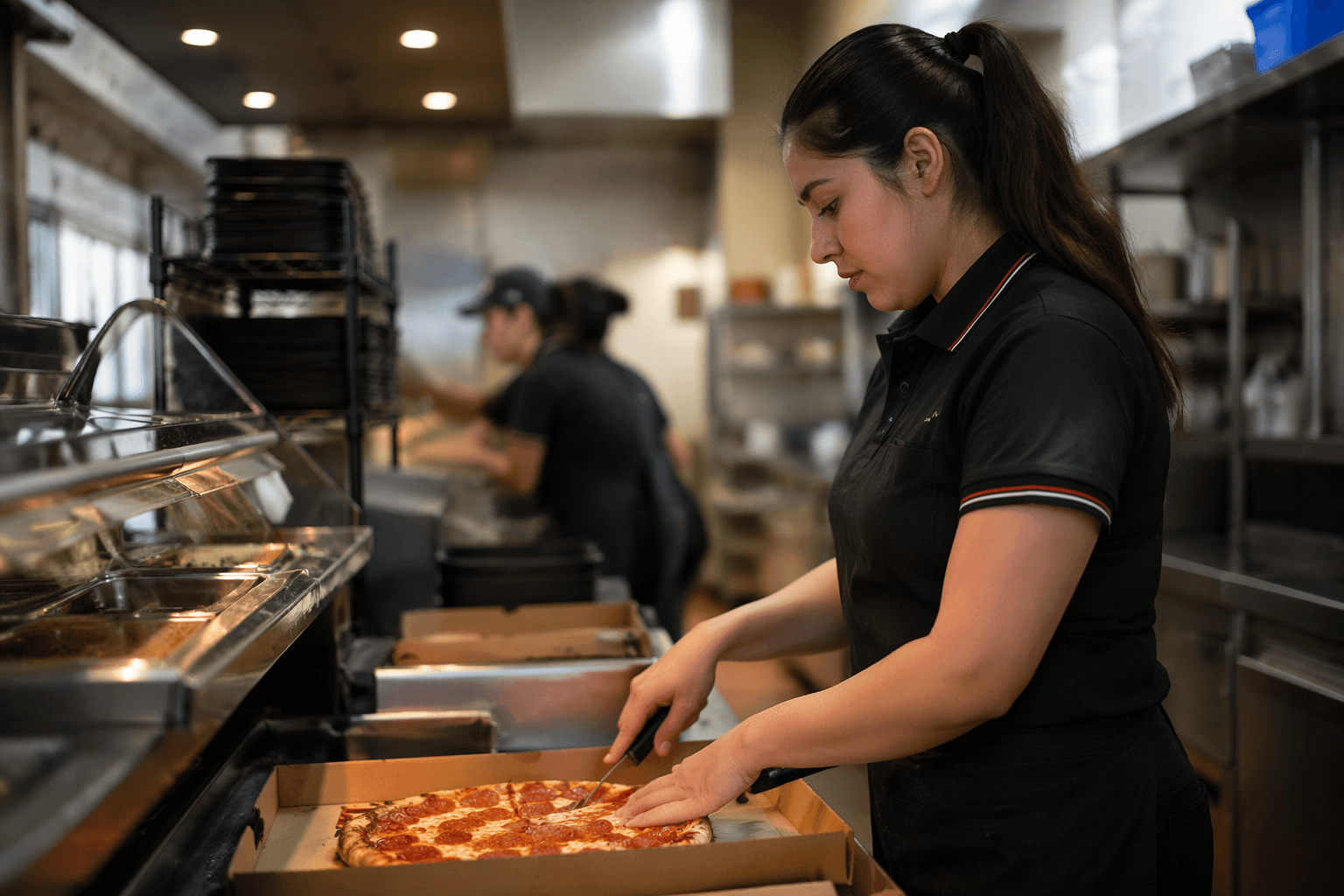
New Year Delivery Action Has Limited Impact on Pizza Hut Orders
Planned New Year’s Eve action by sections of India’s gig and platform delivery workforce had only a limited impact on overall deliveries, with major platforms reporting record volumes on Dec. 31 and pizza among the top ordered categories. The episode highlights ongoing tensions between gig workers and platforms and underscores operational risks for Pizza Hut franchisees that depend on third-party delivery networks during peak dates.
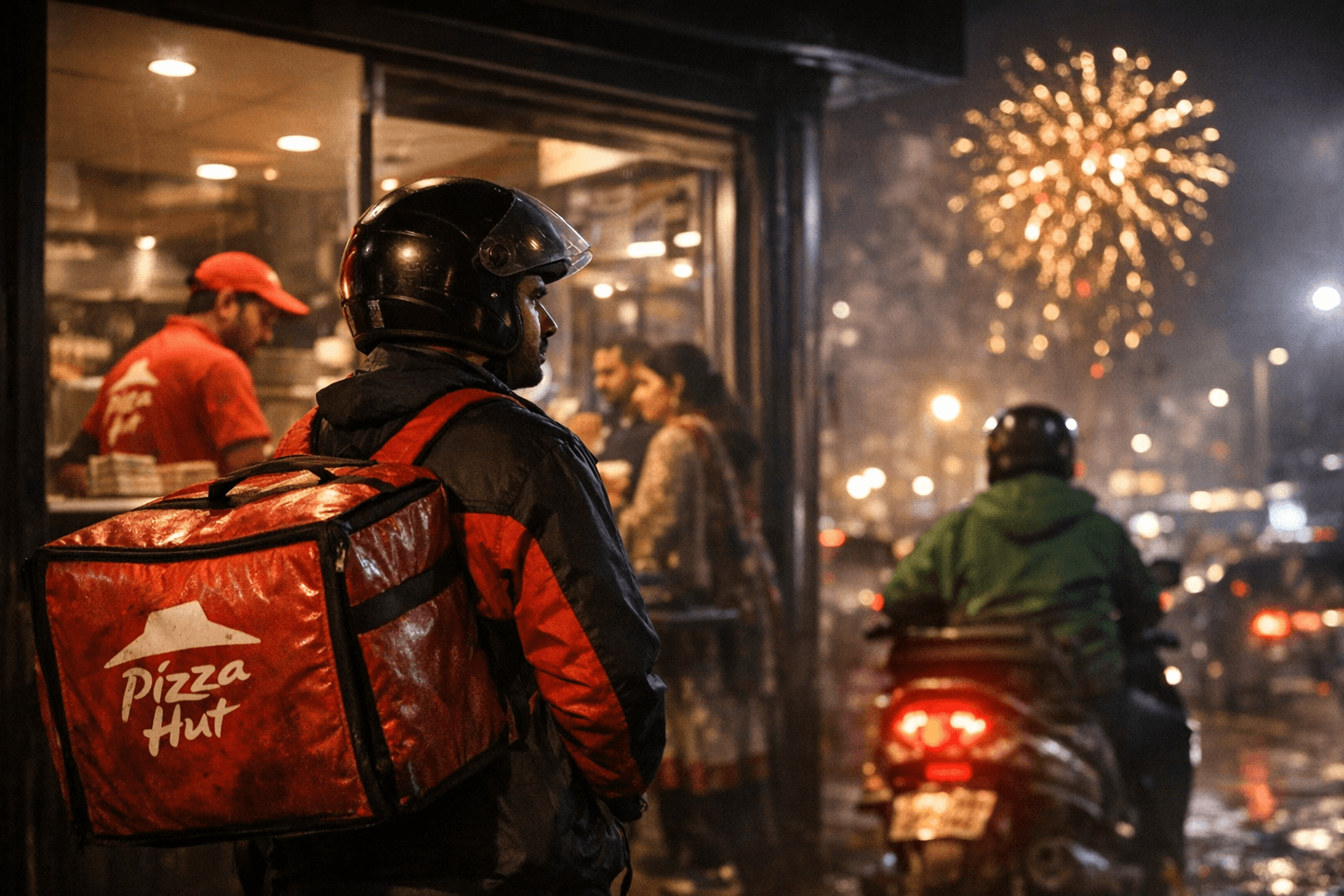
Major food-delivery platforms reported that Dec. 31 saw record order and delivery volumes despite calls for an action by sections of the gig and platform delivery workforce. Swiggy, Zomato and other services said large numbers of delivery partners continued to work through New Year’s Eve, enabling high throughput and keeping pizza among the day’s most-ordered categories.
The action was organized by gig-worker unions pressing for higher pay, improved safety measures and broader social protections for delivery partners. While organizers sought to disrupt peak demand and draw attention to labor conditions, platform statements indicated the operation had limited effect on their ability to serve customers, and restaurants that rely on aggregators reported steady fulfillment through the evening.
For Pizza Hut franchisees and managers, the incident underscored a structural vulnerability: heavy reliance on third-party delivery networks exposes restaurants to fluctuations in gig-worker availability and to organizing actions that can materialize quickly. During peak moments such as holiday nights, the difference between smooth service and order backlogs often hinges on whether delivery capacity remains intact. Franchise operations that depend primarily on aggregators saw their throughput sustained on this occasion, but the episode serves as a reminder that contingency planning matters.
The dynamics also affect workers on multiple fronts. Delivery partners who worked through high-volume periods face heightened workloads and safety risks during long shifts on congested evenings. The unions’ demands reflect persistent concerns about pay, protections and predictable earnings under algorithm-driven work models. Platforms’ ability to maintain service during a labor action can reduce organizers’ leverage, while also reinforcing platform dependence for restaurants in search of reliable last-mile fulfillment.
Franchisees and corporate operators responding to this reality will likely weigh options that include ramping in-house pickup and delivery staffing, negotiating alternative arrangements with multiple aggregator partners, and setting clearer contingency protocols for holidays and peak days. Operational planners must balance the cost of redundancy against the potential reputational and financial hit from service disruption.
The New Year episode did not produce widescale delivery failure, but it brought into sharp relief how platform labor tensions intersect with restaurant operations. For Pizza Hut locations that rely on gig networks to meet surge demand, the lesson is clear: uninterrupted service on peak dates depends as much on labor dynamics off the premises as on kitchen efficiency inside them.
This article was produced by Prism’s automated news system from verified source data, official records, and press releases, then run through automated quality and moderation checks before publishing. The system is built and supervised by the people who set the standards it runs under. Read our full AI policy.
Did this article answer your question?