NLRB Clarifies Pizza Hut Workers’ Rights to Discuss Pay, Safety, Scheduling
Pizza Hut crews can raise pay, safety and schedule problems together, and the NLRB says managers cannot punish that group action.
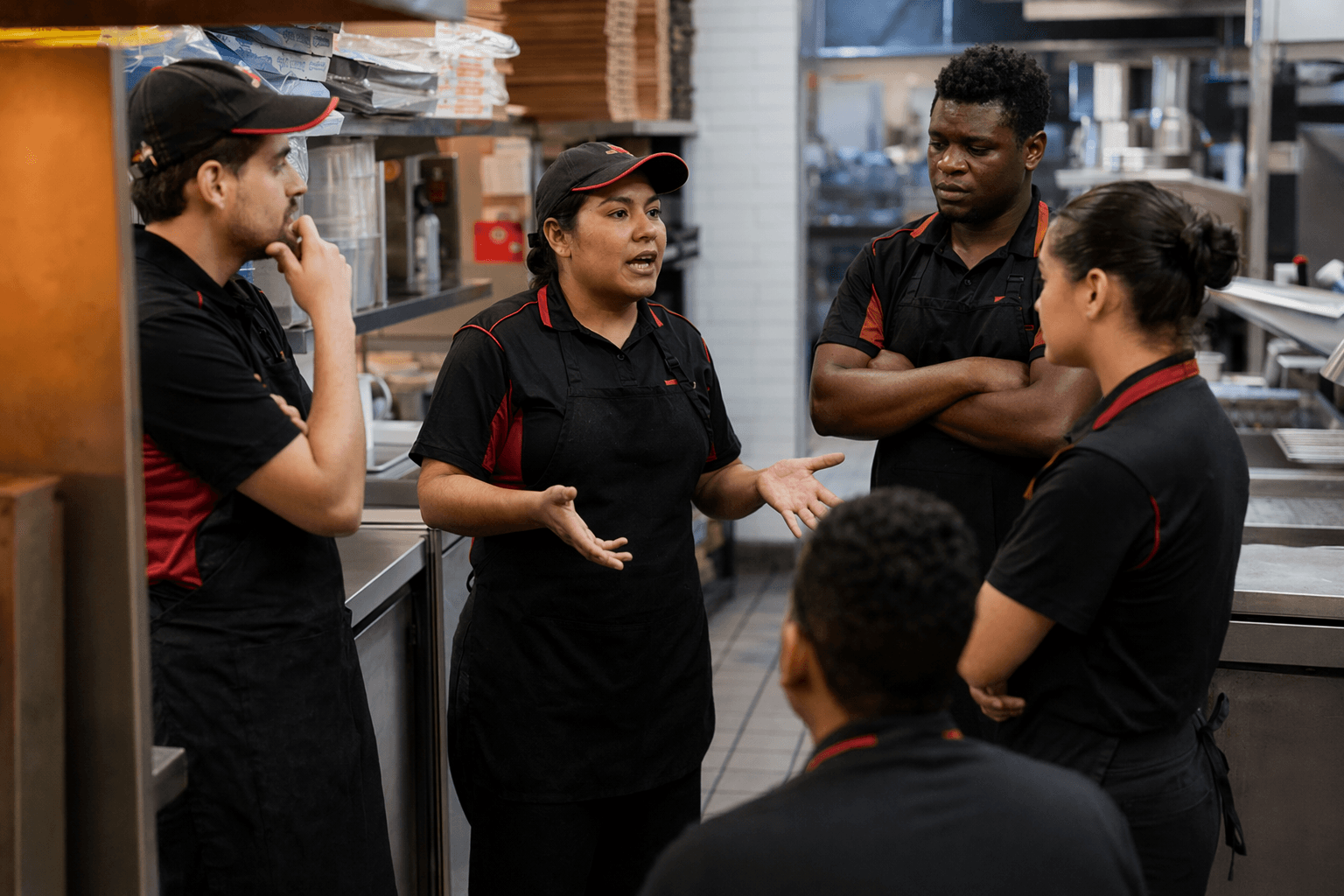
Pizza Hut crews do not need a union to talk about pay, hours or safety together. The National Labor Relations Board says most private-sector employees have the right to join together to improve wages and working conditions, and that right covers restaurant workers comparing pay, circulating petitions for better hours, refusing unsafe work together and bringing group complaints to management.
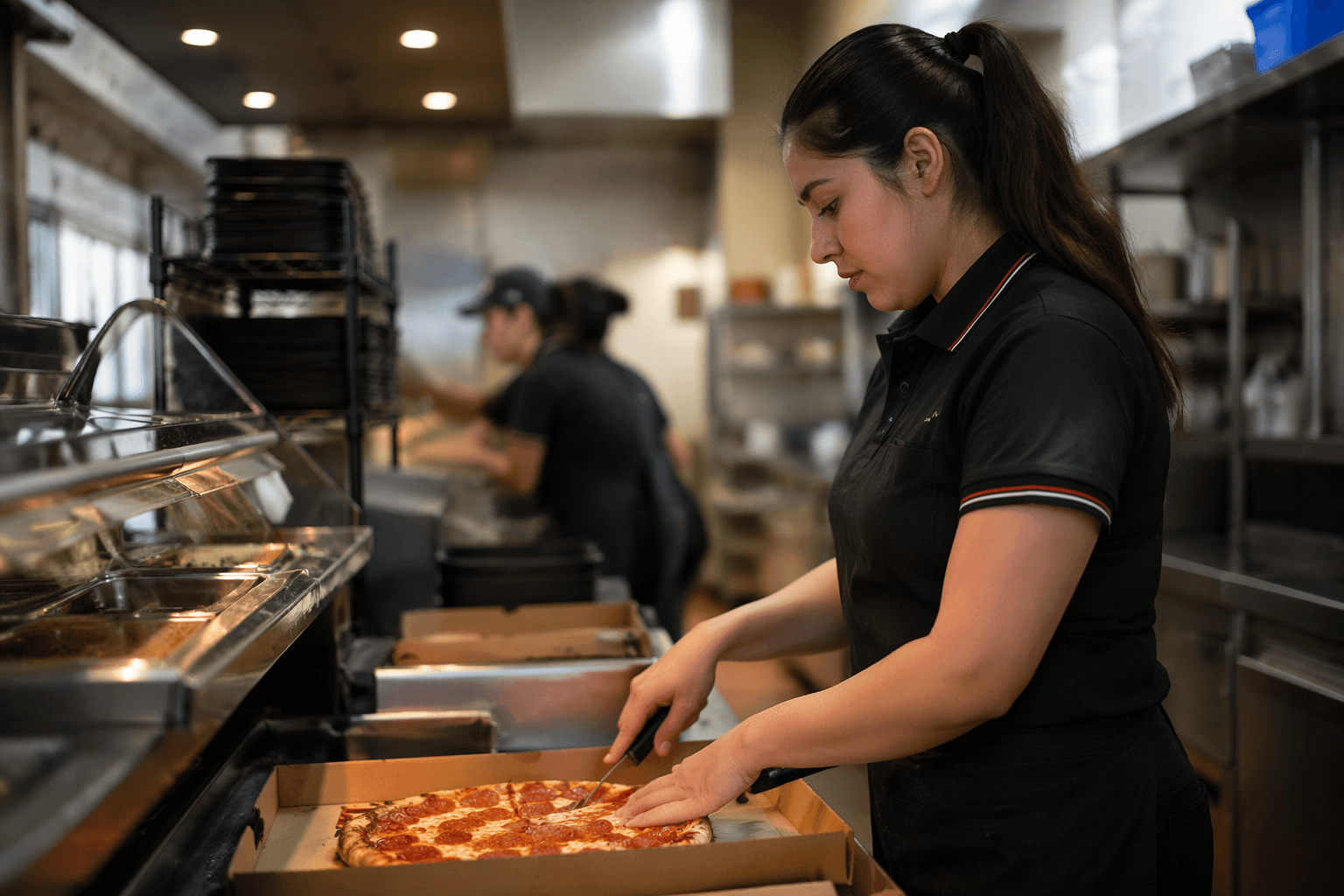
That distinction matters on a Pizza Hut shift, where one cashier, driver or cook asking about a personal problem may be making an individual complaint, but two or more workers pressing the same issue can cross into protected concerted activity. The board says employees may act with co-workers, talk to employers or government agencies about workplace problems, and seek help from a union if they choose. It also says employers cannot discharge, discipline, threaten or coercively question workers for that protected activity.
For delivery drivers and in-store staff, the practical line often shows up around the issues that drive tension in fast food: short staffing, changing schedules, missed meal breaks and safety concerns on delivery runs or inside a busy kitchen. The NLRB says a single employee can still be protected when acting on co-workers’ authority, bringing a group complaint, trying to induce group action or preparing for group action. That means a crew member who organizes a shared complaint about late shifts, unpaid time or unsafe conditions is not automatically outside the law.
The board’s enforcement data shows why these disputes rarely stay theoretical. It receives about 20,000 to 30,000 charges a year, and many are resolved within a 7-to-14-week investigation window through settlement, withdrawal or dismissal. If a case moves forward, remedies can include reinstatement, back pay and notice posting.
Pizza Hut workers have already used those tools in real disputes. In March 2024, workers at a Los Angeles store owned by Southern California Pizza Co. staged a three-day strike over lost meal breaks, overtime and paid sick leave. The store had five employees seeking about $81,000 in back pay and penalties. Around the same time, PacPizza and Southern California Pizza Company said they were cutting more than 1,200 delivery-driver jobs ahead of California’s fast-food wage increase to $20 an hour on April 1, 2024.
Those fights show what the NLRB’s rules mean in a Pizza Hut setting: when workers compare notes, organize together and push back as a group, the law can protect them.
This article was produced by Prism’s automated news system from verified source data, official records, and press releases, then run through automated quality and moderation checks before publishing. The system is built and supervised by the people who set the standards it runs under. Read our full AI policy.
Did this article answer your question?