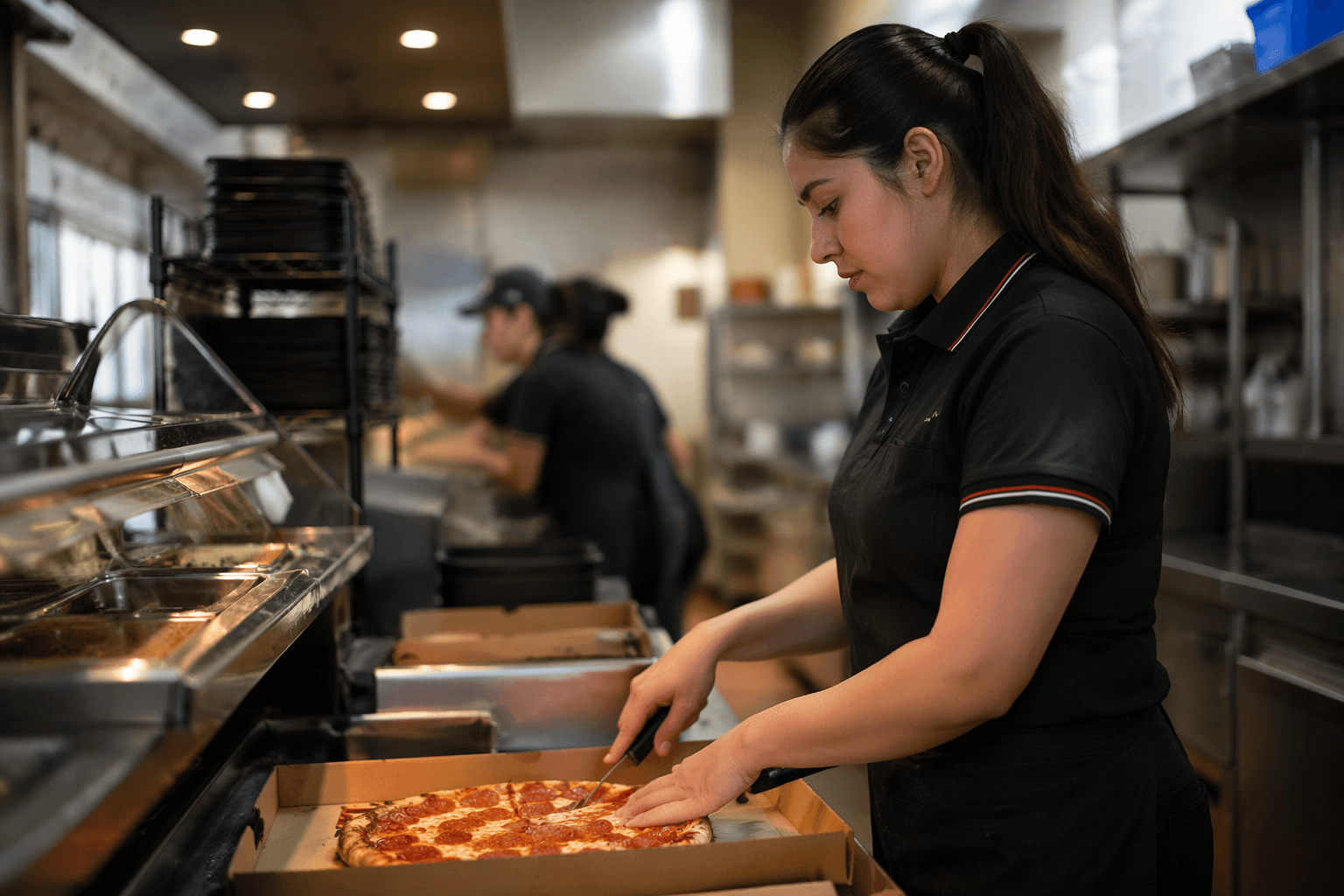
Occupied Higginsville Pizza Hut with 20-Year NNN Lease Listed For Sale
A freestanding Pizza Hut in Higginsville, Missouri was listed for sale with a 20-year absolute NNN lease, a move that could foreshadow ownership or operational changes affecting staff.
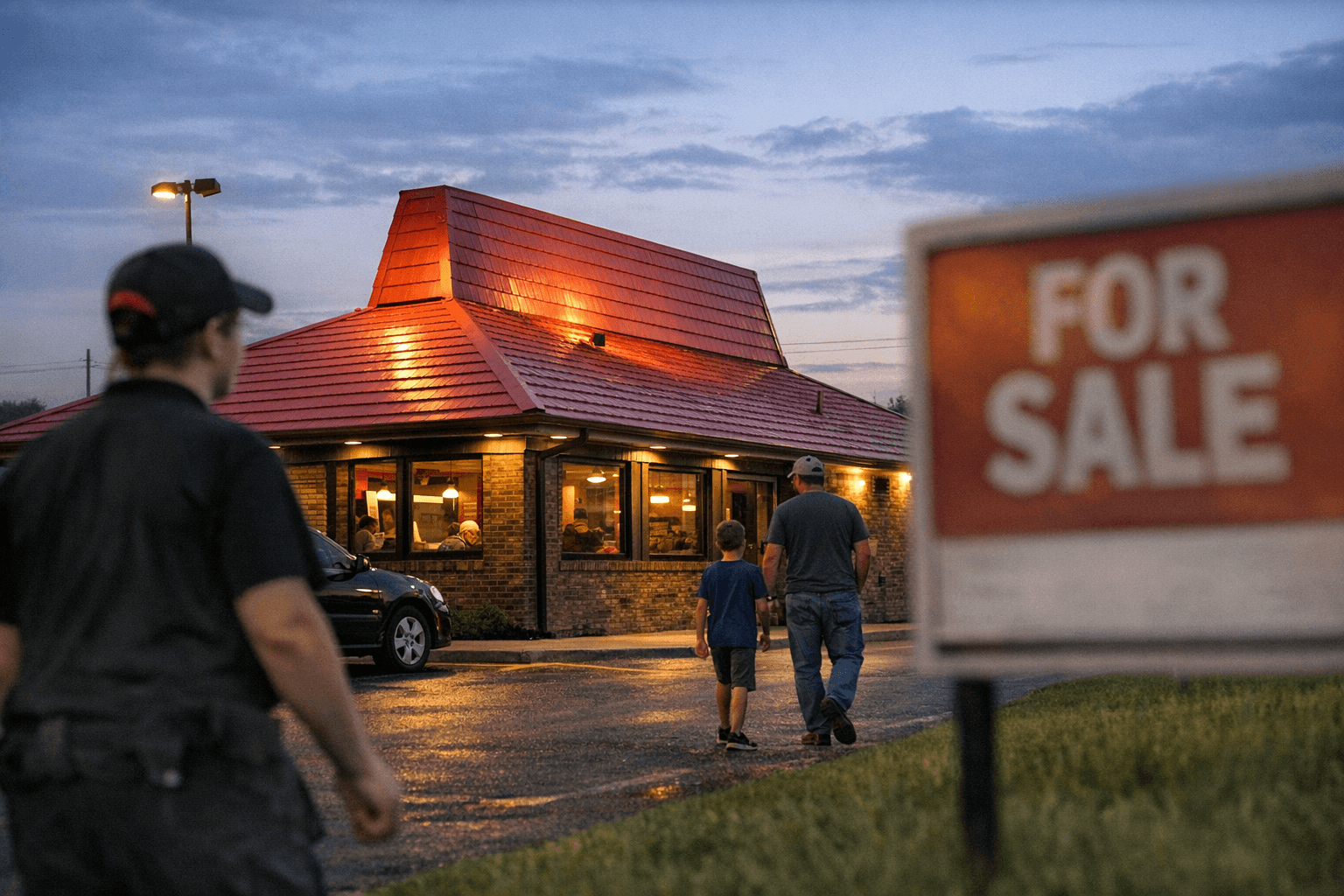
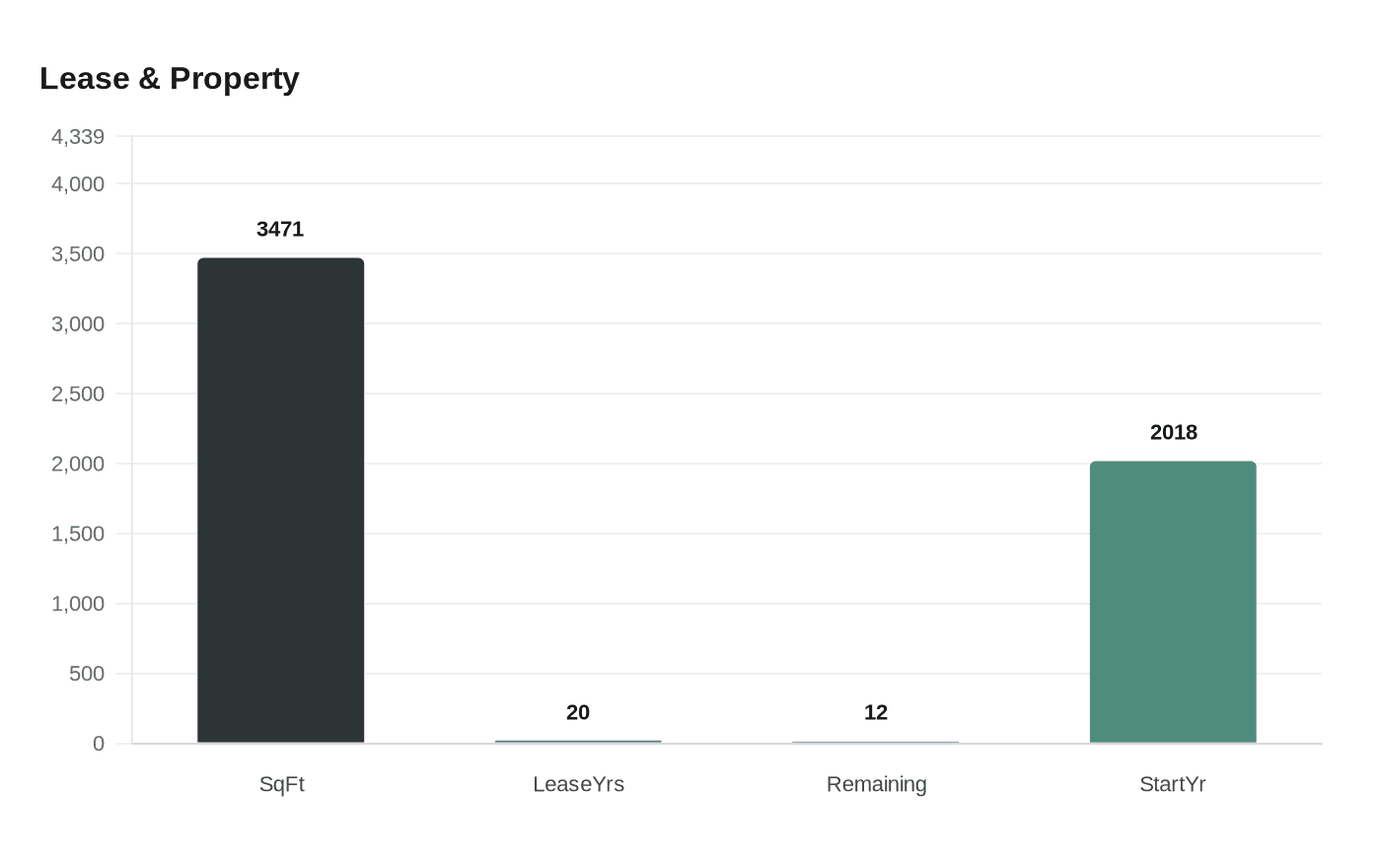
An occupied Pizza Hut building in Higginsville, Missouri was placed on the market on Jan. 20, 2026, offering an investment tied to a long-term tenant and raising questions for employees about continuity and working conditions. The commercial listing describes a freestanding, single-tenant Pizza Hut property of 3,471 square feet with a 20-year absolute NNN lease that began in 2018.
Because the lease commenced in 2018, the contract runs through 2038, providing a contractual revenue stream for the owner and a legally binding occupancy arrangement for the operator for roughly 12 more years. The listing includes standard investment metrics that institutional and private investors use to evaluate deals - annual rent, net operating income, and cap rate - along with an asking price, photos of the property, tenant and lease facts, and listing broker contact information.
For employees and managers at the Higginsville store, the practical implications hinge on the nature of the sale and the lease structure. An absolute NNN lease obligates the tenant to pay property taxes, insurance, and maintenance, which commonly makes the owner a passive investor. That structure often means day-to-day operations remain in the hands of the tenant or franchisee, reducing the likelihood of immediate staffing changes solely because of a transfer of ownership. At the same time, a sale can presage changes further down the line: a new landlord may seek lease amendments, different operational arrangements, or ultimately sell to a buyer with other plans.
Workers should note that a property-for-sale posting does not necessarily indicate a short-term threat to hours or employment. The existing lease term creates a legal expectation of tenancy, but ownership transitions can produce uncertainty around schedules, repairs, capital investments, and local management priorities. Franchisees who operate the restaurant may retain autonomy over hiring, scheduling, and day-to-day policies, but any renegotiation or early lease termination would be a material development for staff.
Employees and shift leaders concerned about the listing should monitor internal communications from store management or the franchise owner, document any changes to schedules or written employment terms, and ask managers directly about continuity plans. The listing gives prospective buyers a direct contact in the form of the broker, and those commercial discussions typically move on a different timeline than retail operations.
For now, the lease’s remaining term provides a level of stability, but staff should stay informed. If the property is sold, the pace and nature of any operational effects will depend on the buyer’s strategy and whether the current operator remains in place through the lease’s 2038 expiration.
This article was produced by Prism’s automated news system from verified source data, official records, and press releases, then run through automated quality and moderation checks before publishing. The system is built and supervised by the people who set the standards it runs under. Read our full AI policy.
Did this article answer your question?