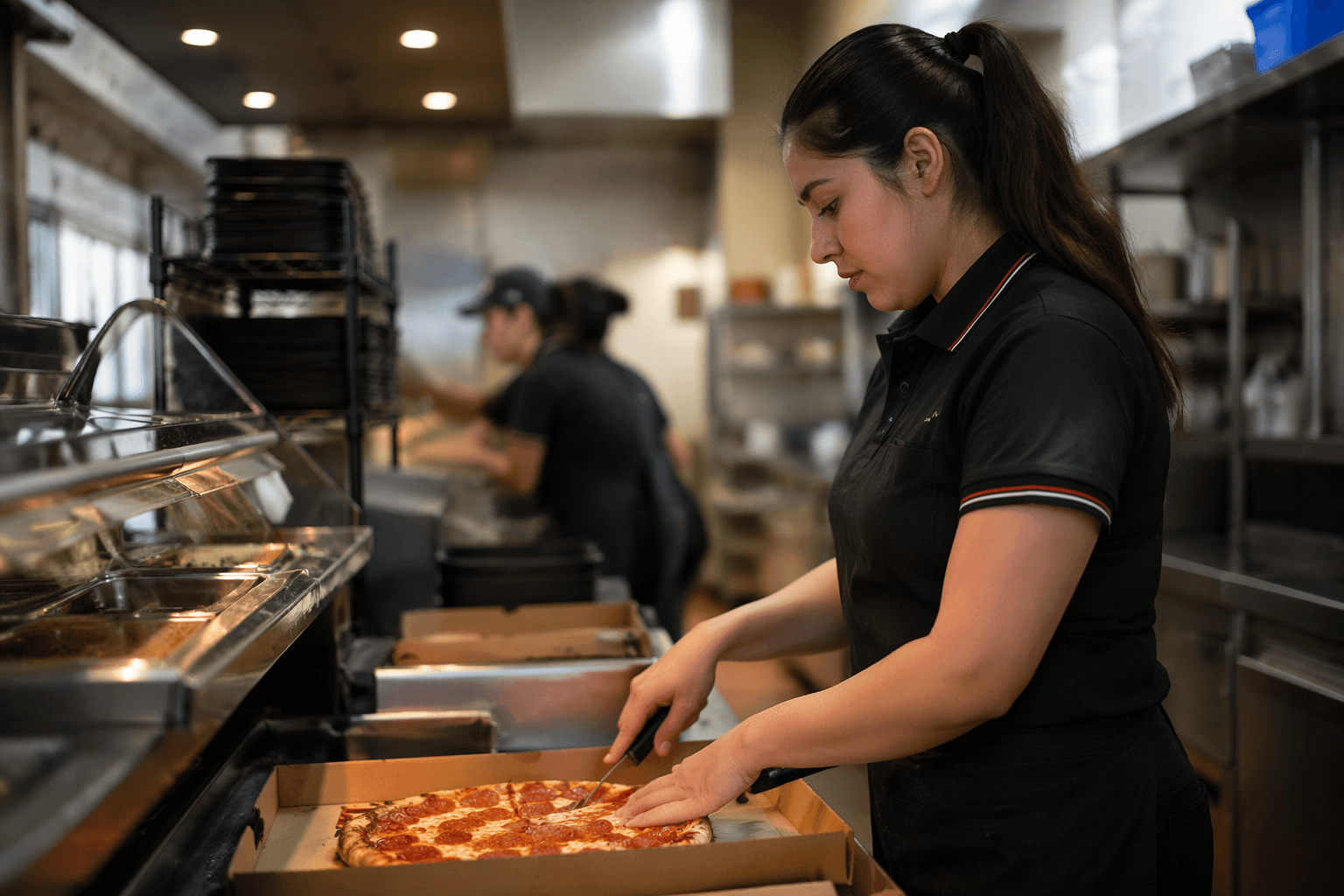
OSHA warns Pizza Hut kitchen crews on heat stress risks
Pizza Hut kitchens can turn heat stress into a medical emergency fast. OSHA says crews and managers need to spot warning signs early, not wait for collapse.
Heat risk is now a shift issue, not just a summer issue
OSHA’s warning lands at a time when Pizza Hut kitchens are already running hot in every sense. The agency has put heat safety under a National Emphasis Program, has proposed a federal heat rule that would cover indoor and outdoor work settings, and has already taken public comment through a hearing process that stretched into 2025. For a brand with more than 19,000 restaurants in 108 countries and territories, that is not a paperwork issue. It is a daily kitchen hazard that can interrupt service, sideline workers, and turn a routine rush into a medical emergency.
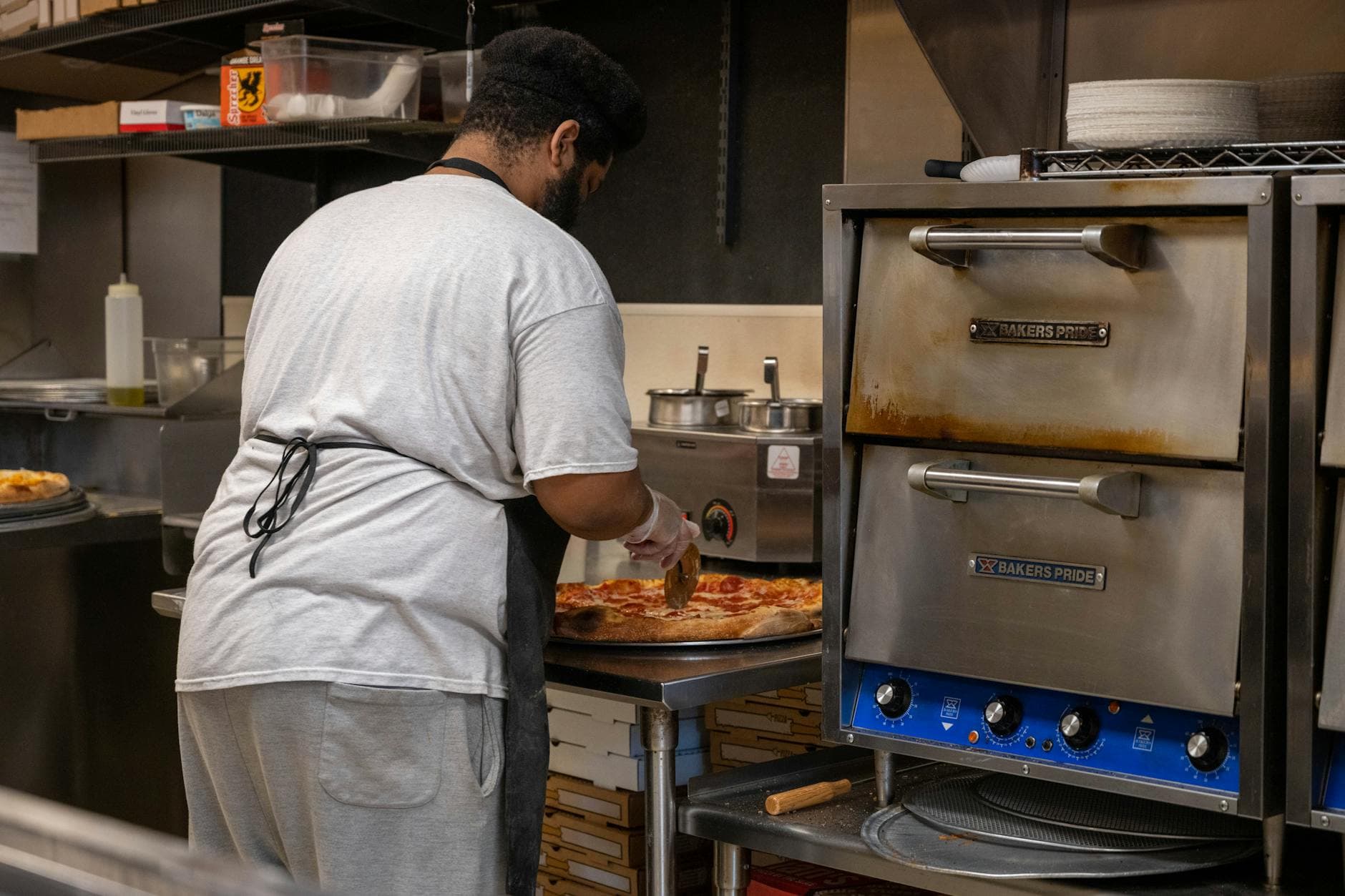
The risk is bigger than a vague complaint about a hot line. OSHA says worker exposure to excessive heat in commercial kitchens can lead to heat stress-related illnesses, including heat exhaustion and heat stroke. The CDC makes the same point in broader terms: outdoor and indoor workers in hot environments can experience occupational heat stress when metabolic heat, environmental heat, and clothing or PPE combine to raise body heat storage. In a Pizza Hut store, that means the ovens, dish area, hot prep line, delivery returns, and summer rushes can stack up before anyone realizes a crew member is in trouble.
What heat looks like on a Pizza Hut shift
The dangerous part of kitchen heat is that it often looks like ordinary shift fatigue until it does not. A worker may feel dizzy, see blur, get nauseated, or collapse, and a busy crew can mistake that for being tired, under-hydrated, or simply behind on the ticket board. OSHA warns that heat stroke is more serious because the body stops sweating and can no longer dissipate heat. Once that happens, the issue has moved far beyond “push through it.”
That is why Pizza Hut crews need to think about heat as a service problem and a safety problem at the same time. A worker who starts overheating slows the line, makes mistakes, and can go down altogether if the warning signs are ignored. For drivers, the risk can follow them from a hot car into a hot kitchen, especially when they are bouncing between deliveries and trying to hold onto tips in a market shaped by DoorDash and Uber Eats competition. The pressure to keep moving can make a cooling break feel optional. It is not.
Warning signs crews should not brush off
The symptoms OSHA highlights are simple enough that no one on the shift should have to guess.
- Dizziness
- Blurred vision
- Nausea
- Collapse
- Stopping sweating, which can signal heat stroke
The practical rule is straightforward: drink water before you feel thirsty, and do not wait for the body to send a louder signal. The CDC also advises workers and supervisors to pay attention to signs and symptoms, first aid, and basic prevention steps like drinking enough water and monitoring urine color and amount. In a kitchen, that means noticing when a coworker is suddenly slower, pale, shaky, or unable to keep up with the normal rhythm of the line.
If heat stroke is suspected, OSHA says to treat it as an emergency. In a restaurant, that cannot mean finishing the order first or waiting for a manager to circle back after the rush. Move the person to a cooler, well-ventilated area, get help right away, and stop framing the episode as a minor work complaint.
What managers have to build into the shift
OSHA’s guidance makes clear that heat safety is not supposed to be a summer add-on. Managers are expected to train employees and supervisors to recognize early heat illness, keep cool water available, and use engineering, work-practice, and administrative controls to reduce the hazard. In plain store terms, that means ventilation, break planning, staffing, and emergency response have to be part of normal operations.
For Pizza Hut managers, the hardest part is often not knowing what to do. It is acting before the line becomes too thin. Task rotation matters when one person is trapped at the oven or dish pit too long. Acclimatization matters when a new hire, or a returning worker, is dropped into a hot kitchen without time to adjust. So does staffing, because understaffing makes missed cooldown breaks almost inevitable. The rule of thumb should be simple: if somebody starts to overheat, rotate the work, get water in hand, and report the symptoms immediately.
OSHA’s broader heat guidance underlines why this matters. The agency says millions of U.S. workers are exposed to heat each year, and thousands become sick from occupational heat exposure. It also says lack of acclimatization is a major risk factor for fatal outcomes, with 50% to 70% of outdoor fatalities occurring in the first few days in warm or hot environments. That statistic comes from outdoor work, but the lesson carries into a Pizza Hut kitchen: a worker who has not adjusted to the heat is at higher risk when a rush, a heat wave, or a staffing gap hits all at once.
Why regulators are turning up the pressure
The policy backdrop helps explain why kitchen heat is getting more attention now. OSHA placed heat safety under a National Emphasis Program in April 2022. On August 30, 2024, the agency published a proposed rule, Heat Injury and Illness Prevention in Outdoor and Indoor Work Settings, that would apply to workplaces where OSHA has jurisdiction. OSHA also held an informal public hearing on the proposal from June 16 through July 2, 2025.
There is also state-level precedent that matters to restaurant workers. OSHA says California’s heat illness prevention standard requires training, water, shade, and planning, and that 80°F triggers the requirements. Minnesota’s heat standard applies to indoor places of employment. That tells crews in kitchens like Pizza Hut’s that indoor heat is increasingly being treated as a legal hazard, not just a comfort issue.
The labor pressure behind the warning
Worker advocates have pushed hard for enforceable protections because heat complaints rarely stay quiet for long. SEIU said in July 2024 that the proposed federal heat rules would require employers to create heat injury and illness prevention plans and would save lives. OSHA also held a listening session with Restaurant Opportunities Centers United focused on indoor heat in the restaurant industry. That kind of organizing is not abstract. Restaurant reporting has already pointed to worker actions, including a one-day Taco Bell strike in San Jose over extreme heat and rallies by QSR workers demanding breaks, water, and air conditioning.
That history matters for Pizza Hut because it shows how fast a “tough shift” can become a labor issue when workers feel ignored. Crews do not need to wait for a collapse to prove the point. If the kitchen is hot enough that people are getting dizzy, nauseated, or unable to sweat normally, the operation is already in trouble.
The best Pizza Hut stores will treat heat the same way they treat any other serious operational risk: identify it early, train for it, plan for it, and stop pretending that pushing through is the same thing as staying safe.
This article was produced by Prism’s automated news system from verified source data, official records, and press releases, then run through automated quality and moderation checks before publishing. The system is built and supervised by the people who set the standards it runs under. Read our full AI policy.
Did this article answer your question?