Pizza Hut Delivery Drivers Sue Franchisees Over Vehicle Reimbursement Shortfalls
Drivers at Pizza Hut franchises CFL Pizza and Chaac Pizza Midwest earned as little as $1.24/hr after unreimbursed car costs, a lawsuit claims.
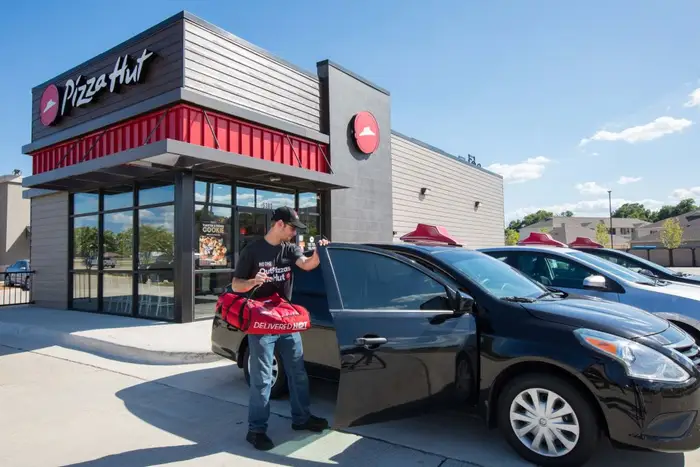
Former delivery drivers have sued two Pizza Hut franchise operators, alleging the companies shortchanged them on vehicle reimbursement to the point where their take-home pay effectively fell below the federal minimum wage.
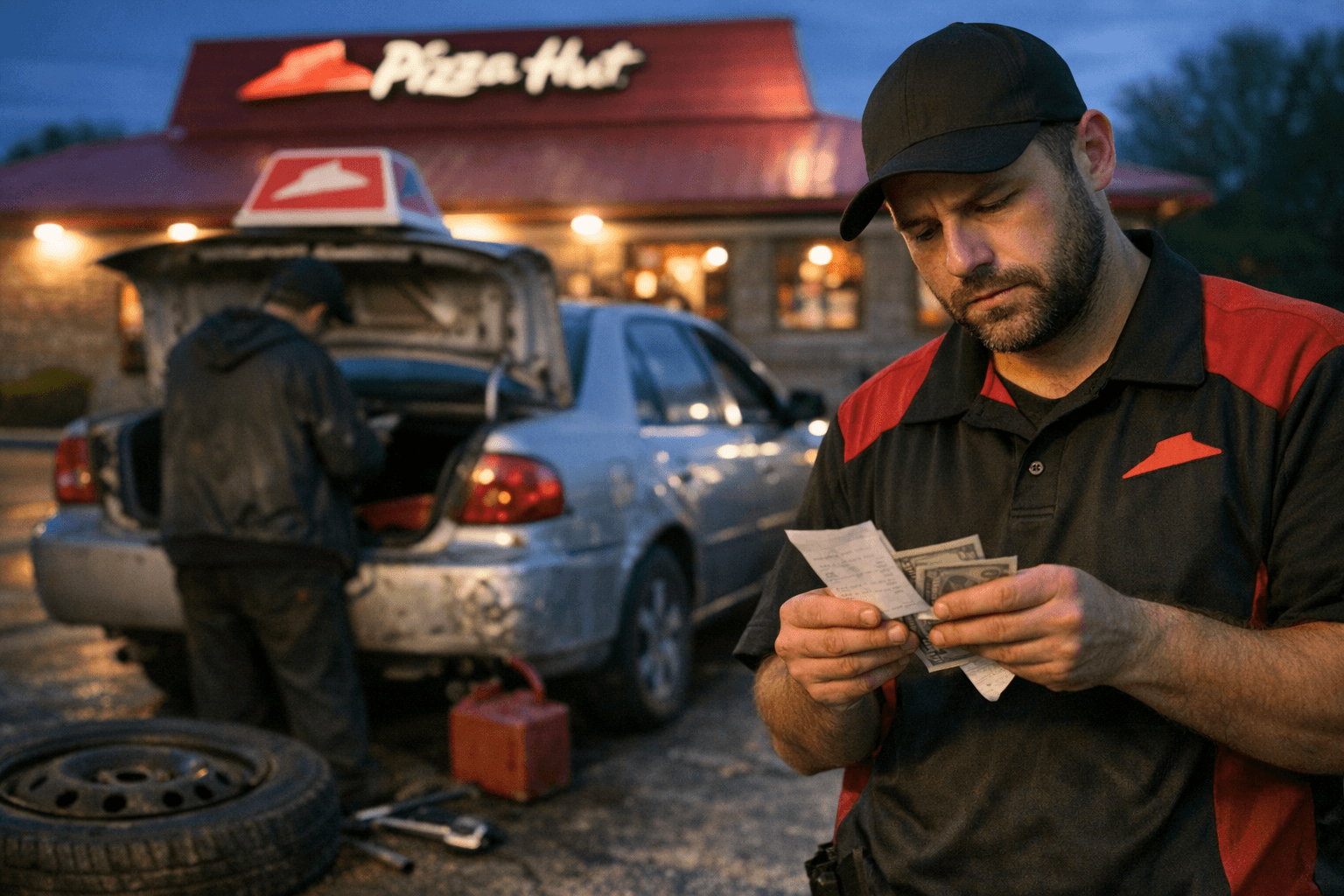
The drivers are seeking unpaid wages and damages, with the suit asserting claims against franchise operators CFL Pizza, LLC, Chaac Pizza Midwest, LLC, and their individual owners. The case was filed in Ohio, according to court records. The plaintiff, who worked at the defendants' Harrison, Ohio store since 2016, says he was reimbursed between $0.25 and $0.35 per mile throughout his employment. Taking into account unreimbursed delivery expenses, the lawsuit estimates he earned approximately $1.24 per hour.
According to the case, Pizza Hut delivery drivers are required to drive their own vehicles for deliveries, and workers are responsible for paying vehicle-related expenses such as gas, depreciation, maintenance and repairs, insurance, financing charges, licensing and registration costs, cell phone costs, GPS charges and the costs of any other equipment used in the performance of their delivery duties. Drivers are paid minimum wage, or close to it, for their hours, which means any unreimbursed car cost directly cuts into wages already at the legal floor.
The plaintiffs' legal theory draws on two options they say the company was required to choose between: track and reimburse each driver's actual vehicle expenses, or pay at the IRS standard business mileage rate. The lawsuit alleges that although Pizza Hut reimburses drivers on a "cents per mile driven" basis, the reimbursement payments "had no connection to the actual expenses incurred" by drivers on the road. The gap between what was paid and what plaintiffs say they were owed is the damages figure at the center of the case, along with additional claims under federal and state law.
The plaintiffs' framing under the Fair Labor Standards Act is pointed: by pocketing the difference between the rate actually paid and the full cost of operating a personal vehicle for business, the franchisees were effectively extracting a financial benefit from their own workers. When there are no deliveries, drivers are also required to perform duties around the restaurant, such as stocking, doing dishes, and cleaning. Despite the fact that these tasks are unrelated to delivery work, the lawsuit claims they are wrongfully paid the minimum wage minus a tip credit.
The broader legal debate over reimbursement methods is not new. A U.S. Court of Appeals found that the IRS standard rate was imperfect, tending to overpay in states with low gas taxes and underpay in states with high gas taxes, while the "reasonable approximation" method could also result in underpaying minimum wage employees in violation of the FLSA. "If an employer requires a minimum wage employee to provide his own 'tools' for work, the employer must reimburse him for 100% of the cost of doing so," the Sixth Circuit found.
The CFL Pizza and Chaac Pizza Midwest lawsuit fits into a pattern of similar litigation targeting Pizza Hut franchise operators across the country. The lawsuit is described as similar to other "pizza delivery driver lawsuits" filed by the plaintiffs' firm in recent years; since 2018, the firm claims to have helped drivers recover over $28,000,000 in unpaid wages, damages, attorneys' fees, and costs. A separate Pizza Hut franchisee dispute reached a significant resolution last year: a franchisee that owned more than 300 Pizza Hut locations nationwide agreed to pay $4,750,000 to resolve delivery drivers' class-action lawsuit alleging violations of the Fair Labor Standards Act.
For drivers currently working those routes, the IRS standard business mileage rate now stands at 70 cents per mile as of January 1, 2025, up 3 cents from the prior year. That figure is considerably higher than the $0.56 per mile the plaintiffs cited as the benchmark in their filing, and substantially above the $0.25 to $0.35 range the Harrison, Ohio driver says he actually received. The distance between those numbers is, in practical terms, the cost being passed from the franchise to the driver with every delivery run.
This article was produced by Prism’s automated news system from verified source data, official records, and press releases, then run through automated quality and moderation checks before publishing. The system is built and supervised by the people who set the standards it runs under. Read our full AI policy.
Did this article answer your question?