Pizza Hut faces rising pressure as rivals chase traffic with new menu items
Rivals are stealing attention with drinks, bundles, and loud limited-time items. For Pizza Hut crews, the real fight is faster execution, clearer value, and fewer menu misses.
The fastest way a Pizza Hut store gets squeezed is by letting rivals set the menu pace. When customers can grab a new drink, a value bundle, or a flashy limited-time item somewhere else, your store has to win on speed, clarity, and consistency or lose the sale before the order is even placed.
A May 14 menu tracker from Nation’s Restaurant News makes that pressure easy to see. The list runs through Taco Bell, Starbucks, Carl’s Jr., Carvel, Cousins Subs, Kura Sushi, Smoothie King, Ziggi’s Coffee, and others, which is a reminder that the competition is not just other pizza chains. It is every brand fighting for the same spending decision: eat here, buy now, and come back soon.
What the tracker is really saying
The big signal is not the exact products. It is the pattern behind them. Chains are using a steady stream of menu news to create reasons for customers to return, post, try a deal, or trade up for something that feels new for a short window. That matters for Pizza Hut because pizza is often the backup plan for a family meal, a delivery night, or a quick shareable order, and that decision can be lost to a drink launch, a breakfast item, or a limited-time bundle that feels easier or cheaper to justify.
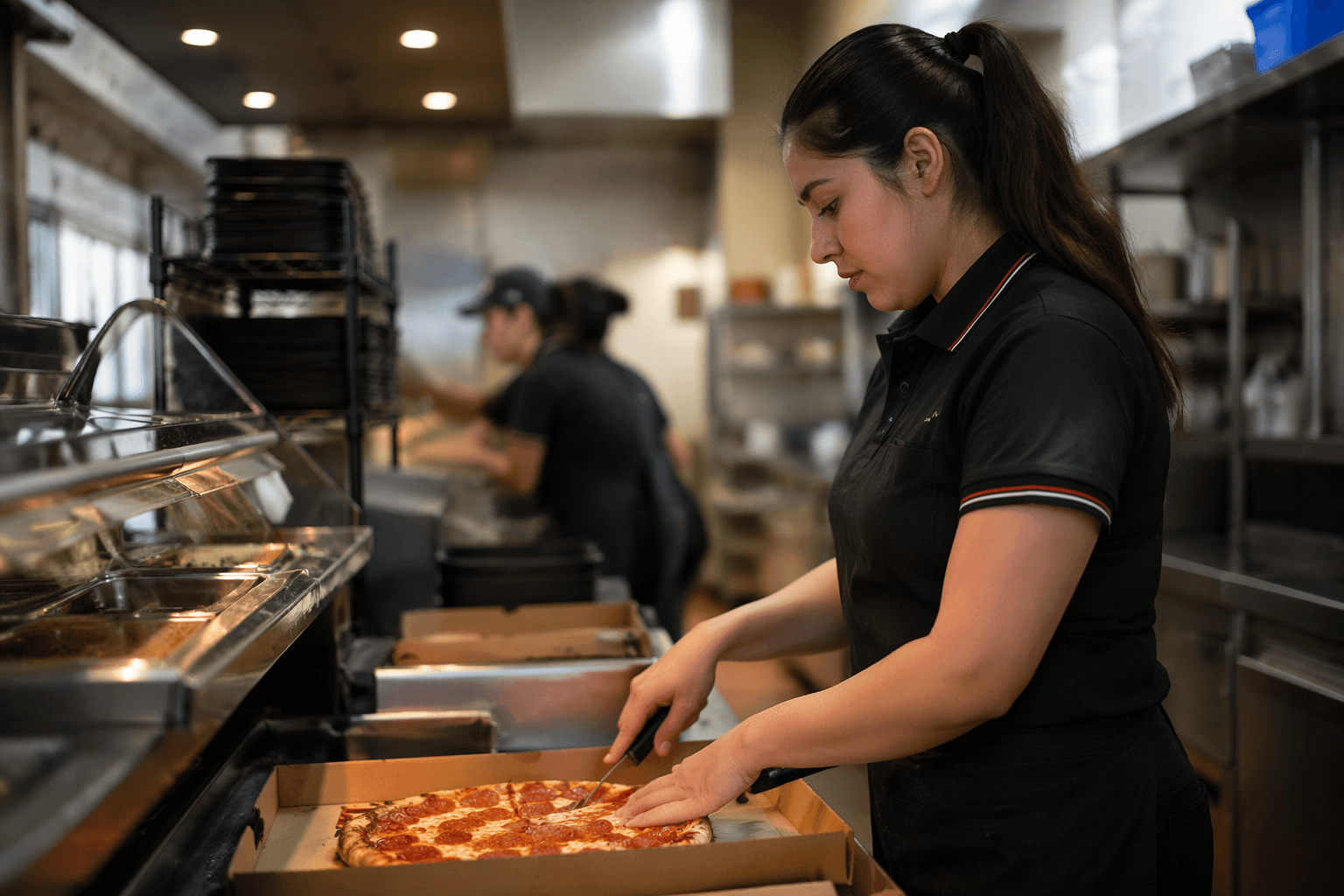
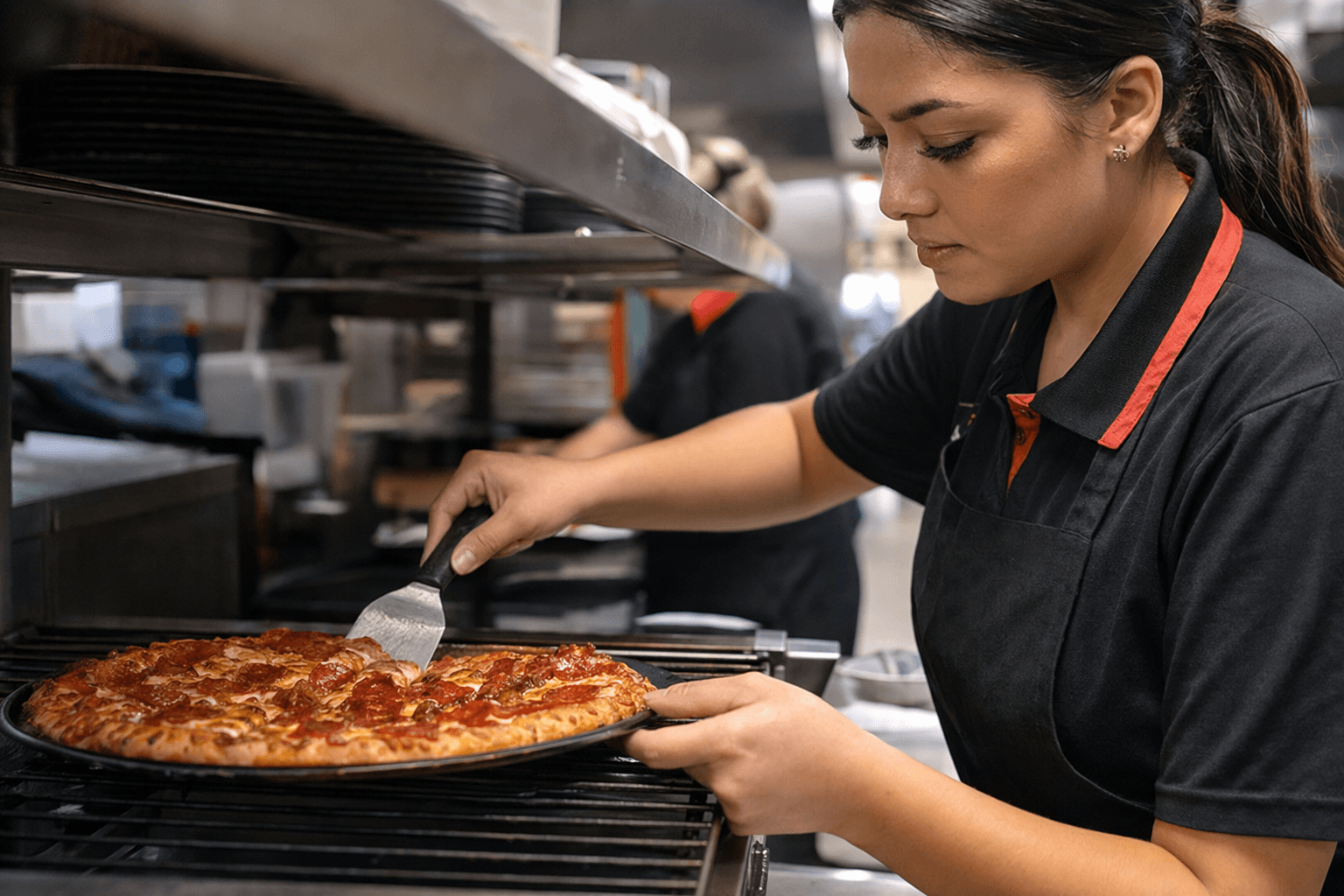
For workers on the line, that means the menu war is showing up as a labor war too. Drivers feel it when ticket times get tighter and customers compare a pizza order against the kind of fast, novelty-driven offer they can get elsewhere. Kitchen crew feel it when speed and accuracy become part of the brand promise, not just a back-of-house metric. Managers feel it when local merchandising has to do more work with less room for confusion.
The four tactics winning attention right now
Value bundles
Value is still the cleanest hook in the market. A bundle tells the customer exactly what they are getting, how much they are saving, and why this order is worth making today instead of later. That is why Pizza Hut’s own 2025 moves matter: Hut Lover’s Pizzas offered four large pizzas priced at $12.99, a straightforward message built to stop customers from drifting to another chain or a delivery app.
On the front line, value bundles have an operational meaning too. They are easier to explain in one sentence on the phone, easier to train at the counter, and easier to sell when the store is busy. If the deal is too complicated, the labor savings disappear and the store spends more time untangling questions than making food.
Drinks and snackable add-ons
Beverages and small add-ons are doing more traffic work than many operators expected a few years ago. Starbucks still shows how powerful drink-led menu news can be, and the tracker’s inclusion of chains like Smoothie King and Ziggi’s Coffee underlines how much attention beverage innovation can pull away from traditional meal occasions. The customer is not always looking for a full dinner; sometimes they are looking for a reason to stop in, spend a little, and feel like they got something new.
For Pizza Hut, that is a warning about missed upsell opportunities. If guests are primed by other chains to expect a quick add-on or a special drink with their order, your store has to be ready to suggest sides, desserts, and bundled extras without slowing the line. A weak add-on program leaves money on the table, but a confusing one creates friction at exactly the point where the guest expects speed.
Convenience and easy execution
A lot of the smartest menu tactics now are built around simplicity, not complexity. That is the hidden edge in the tracker: brands are trying to make the menu feel fresh without making operations harder. For Pizza Hut teams, the lesson is to favor items that can be explained quickly, assembled cleanly, and delivered without extra hand-holding.
That matters because convenience is now a customer expectation, not a bonus. Whether the guest is comparing your store with DoorDash, Uber Eats, or a competitor’s carryout offer, the bar is the same: fast, clear, and predictable. If the promotion creates more questions than it solves, the store loses the convenience battle even if the food is good.
Visually loud limited-time offers
The market still rewards items that look different enough to spark curiosity. Taco Bell, Carl’s Jr., Carvel, and Kura Sushi all show how important visual novelty has become, whether the item is playful, unusual, or designed to travel well on social feeds. The point is not just taste. It is attention.
Pizza Hut has been playing that game too. In June 2024, the chain unveiled Chicago Tavern-Style Pizza and what it called the biggest toppings menu overhaul in more than a decade. In April 2025, it introduced Pizza Caviar, a pepperoni-flavored, caviar-inspired novelty. In August 2025, it launched Crafted Flatzz, a limited-edition lineup priced at $5 before 5 p.m. in the United States. Those are not random stunts; they are attempts to stay visible in the same attention economy as everyone else.
Why Pizza Hut keeps leaning into the same race
Pizza Hut’s history helps explain why this is familiar territory. The brand says it was founded in 1958 in Wichita, Kansas, and that it handled the first online food order in 1994. That combination tells a simple story: this is a chain that has long tried to pair tradition with the next thing customers notice.
That balance is exactly what store teams have to manage now. If the company keeps launching new items, the store has to be ready to execute them cleanly without letting the core menu slip. If the company pushes value, the team has to keep the offer easy enough to explain and fast enough to fulfill. If the company chases novelty, the kitchen still has to protect ticket times, because customers forgive a plain promotion more easily than they forgive a slow one.
What store teams should watch
The practical decoder is simple:
- If the offer is a value bundle, it should be easy to repeat, easy to ring up, and easy to build without mistakes.
- If the offer is a drink or add-on, the store needs a fast upsell path that does not slow the main order.
- If the offer is a convenience play, the real test is whether it reduces friction for drivers, cooks, and guests.
- If the offer is a limited-time item, it has to be visually distinct enough to get attention but operationally simple enough to survive a rush.
That is where the pressure lands for Pizza Hut workers. Rivals are not just launching new items; they are training customers to expect constant change, clear value, and instant payoff. In that market, the stores that win are the ones that can make the menu look new without making the job harder.
This article was produced by Prism’s automated news system from verified source data, official records, and press releases, then run through automated quality and moderation checks before publishing. The system is built and supervised by the people who set the standards it runs under. Read our full AI policy.
Did this article answer your question?