Pizza Hut Franchisors Face Shifting Legal Standards on Joint Employer Liability
Joint employer rules keep shifting, and Pizza Hut franchisors could face direct liability for wage and scheduling violations they didn't personally commit.
The legal question of who is actually responsible for a Pizza Hut worker's wages, schedule, or working conditions has no stable answer right now, and that uncertainty carries real consequences for both franchisors and the people who work in their stores.
At the center of the issue is the joint employer doctrine, a legal standard that determines whether a franchisor, such as the entity that owns or operates the Pizza Hut brand, can be held liable for labor violations committed at the franchise level. When a franchisee underpays workers, violates scheduling laws, or retaliates against union organizers, the question of whether corporate bears any responsibility hinges entirely on which version of the joint employer test a court or agency applies.
The standard has shifted multiple times in recent years. The National Labor Relations Board has moved the threshold back and forth depending on the administration in power, alternating between a broader test that considers indirect or reserved control over workers and a narrower one that requires direct, immediate control. The broader standard is more likely to rope in franchisors; the narrower one insulates them.
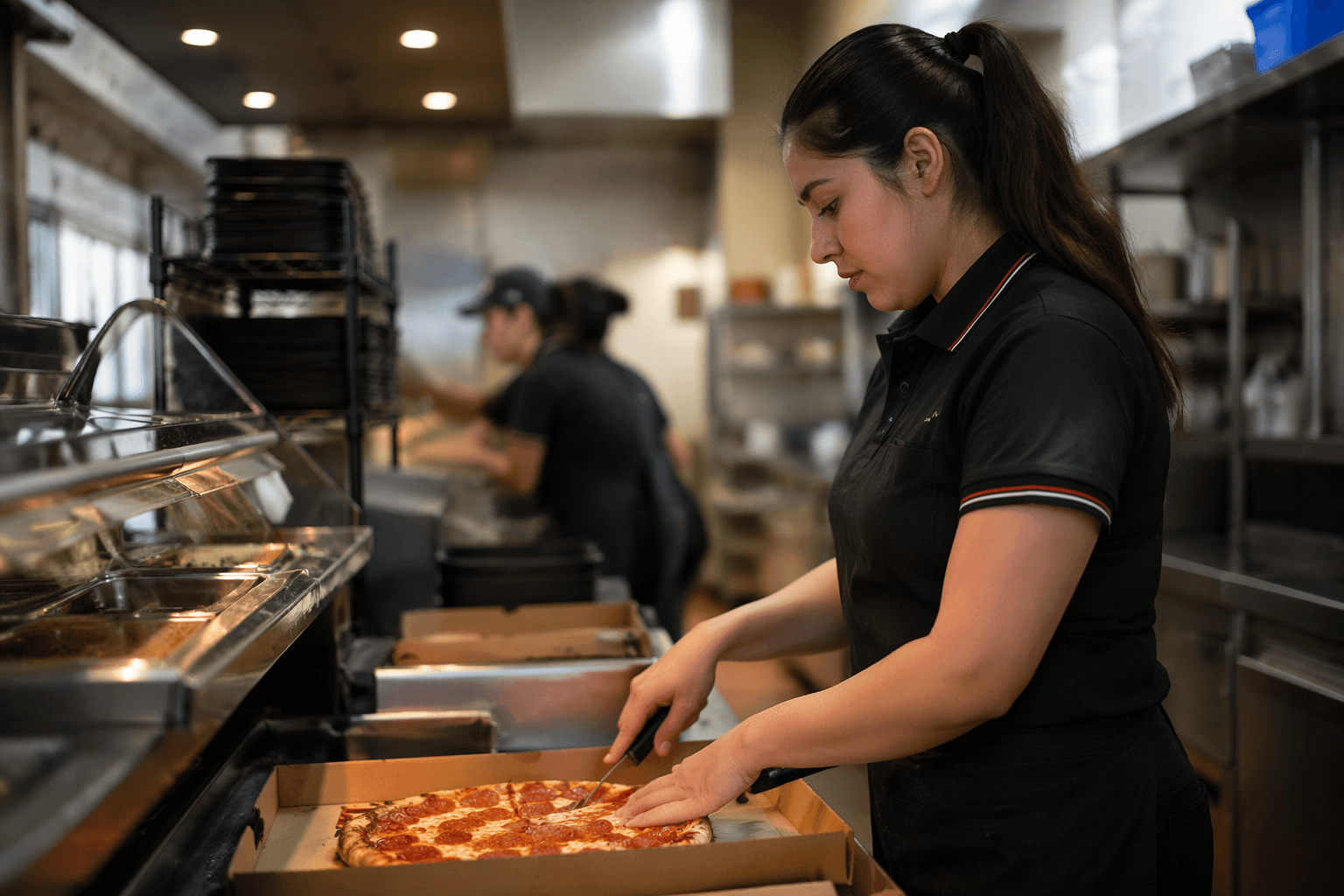
For Pizza Hut's franchise system, which spans thousands of locations operated by independent franchisees, the stakes are significant. Franchisors who exercise influence over hiring templates, scheduling software, training requirements, or wage bands could find themselves named in labor complaints even if a franchisee made the specific decision that led to a violation.
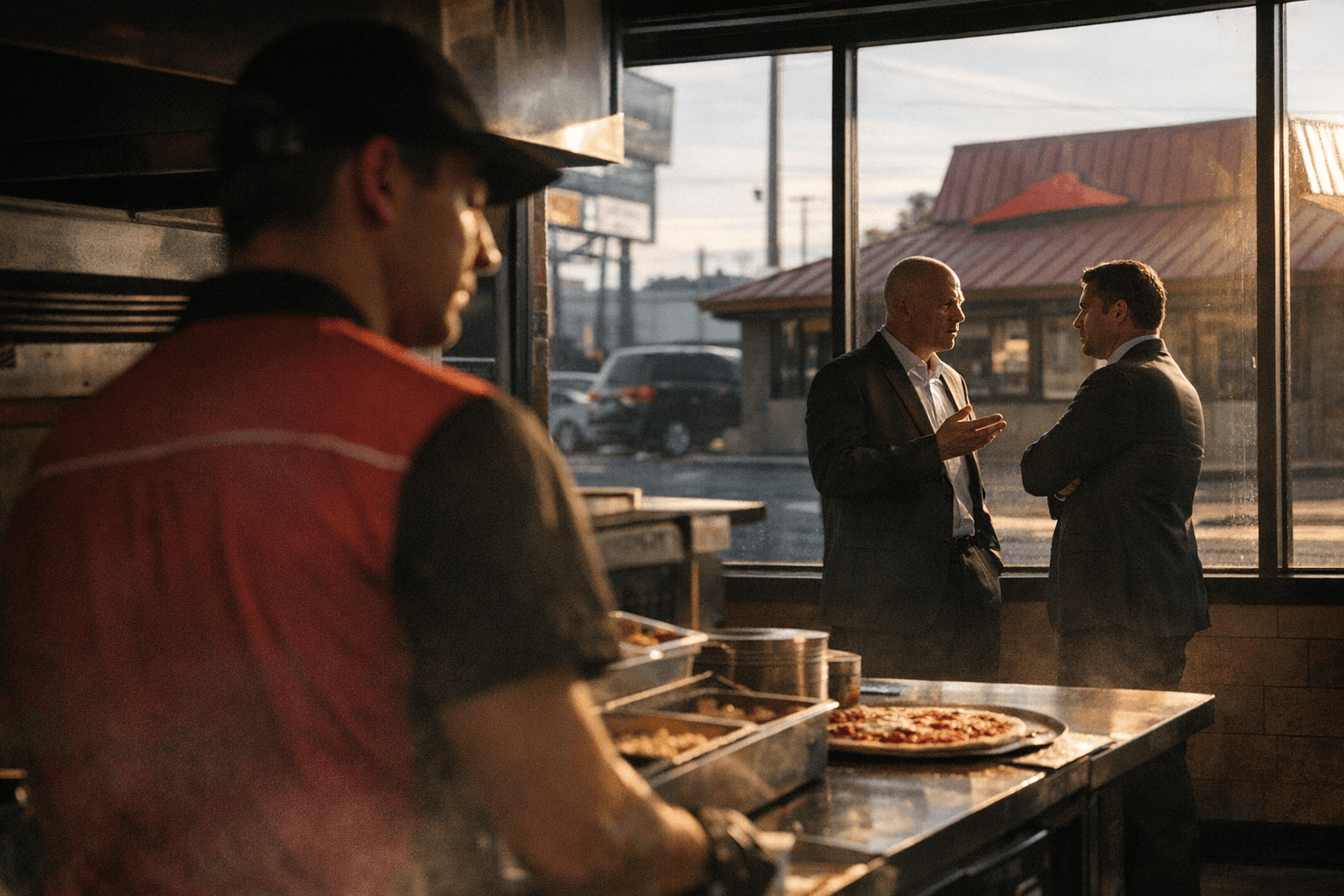
The practical implication for franchisee operators is equally sharp. If the standard tightens again and corporate entities are held more directly accountable, expect increased scrutiny of the control mechanisms baked into franchise agreements, from required point-of-sale systems to mandated staffing ratios.
Workers in this system often have the least clarity of all. When a shift manager at a franchise location denies a break or miscalculates overtime, the worker's ability to seek remedy depends partly on whether the franchisor is considered a co-employer, and right now that depends on jurisdiction, the current regulatory posture of the NLRB, and how a given court has interpreted the most recent controlling case law.
The legal landscape is unlikely to stabilize soon. Litigation over the NLRB's rulemaking authority on joint employment continues, and Congress has not passed legislation to set a uniform standard. For anyone operating within or working inside a Pizza Hut franchise, the answer to "who is your employer" remains, in a real legal sense, unsettled.
This article was produced by Prism’s automated news system from verified source data, official records, and press releases, then run through automated quality and moderation checks before publishing. The system is built and supervised by the people who set the standards it runs under. Read our full AI policy.
Did this article answer your question?