Pizza Hut job posting touts flexibility, tips and safety for drivers
Pizza Hut is pitching Houston driver jobs as flexible, tip-driven work, but the pay story still hinges on customer generosity and steady store volume.
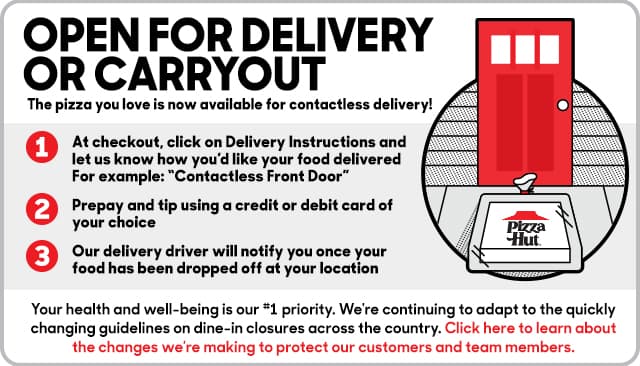
Pizza Hut is pitching its Houston delivery-driver role as a flexible way to earn, whether someone wants a side hustle or a full schedule. That promise comes with clear guardrails: drivers must be at least 18, have a clean driving record, a valid license, auto insurance and a reliable vehicle.
The posting leans hard on tips as part of the job’s appeal. Pizza Hut says a smile and a kind word can affect how much a driver takes home, a blunt reminder that customer service is still tied directly to earnings. The company also says training is provided and highlights safety practices such as contactless delivery and screening protocols, signaling that the job is about more than getting food from the store to the door.
Pizza Hut is also careful to separate driver pay from the delivery fee itself. On its jobs page, the company says the delivery charge is not a driver tip and that 100% of the delivery fee is retained by the restaurant. For workers, that makes tipping central to the real value of the job. For managers, it underscores how much of the recruiting pitch depends on keeping customers happy enough to add more at the door or on the app.
The compensation picture is uneven outside Pizza Hut’s own posting. Indeed says the average Pizza Hut delivery-driver wage in the United States is about $15.34 an hour, based on 18,907 past and present job postings. PayScale lists an average hourly rate of $8.07 for a Pizza Hut pizza delivery driver in 2026. Glassdoor estimates total pay for a Yum! Brands delivery driver at Pizza Hut at $26 to $41 an hour, including base pay and additional pay such as tips.
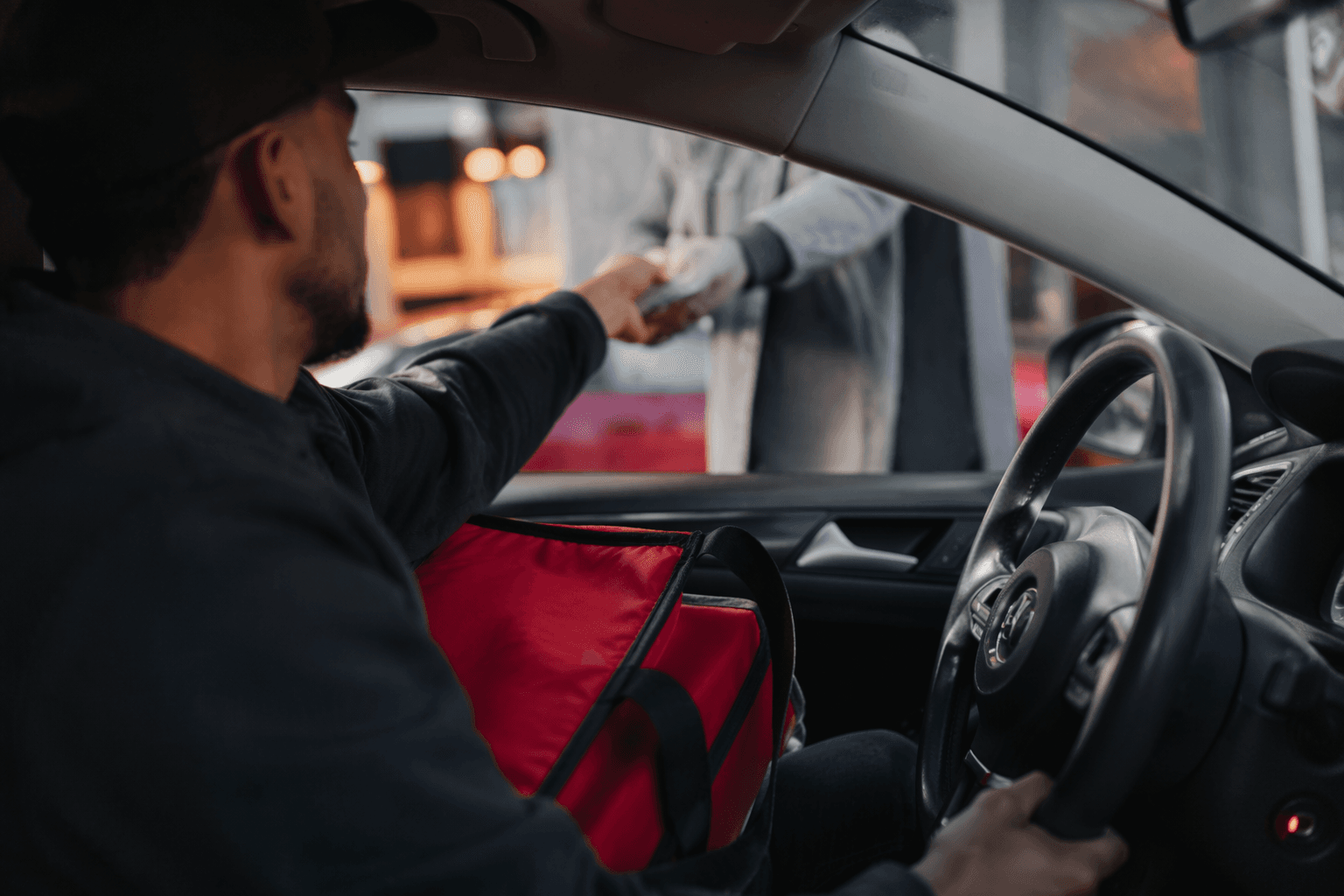
That spread is the real staffing challenge. A job that promises flexibility and safety can attract applicants, but retention depends on whether the dinner rush is steady enough to turn those promises into reliable take-home pay. Pizza Hut’s own presentation suggests the company knows that the mix of hourly wages, tips and a car-based schedule is its best answer to competition from delivery apps and gig work.
The brand’s labor model has deep roots. Pizza Hut was founded in 1958 in Wichita, Kansas, by Dan Carney and Frank Carney, and Wichita State University’s Pizza Hut Museum says the chain expanded quickly before the original building was preserved on campus. That history helps explain why delivery remains central to the business. In markets like Houston, the company is still selling the same proposition: keep the shifts flexible, keep the customer experience positive and hope the tips do the rest.
This article was produced by Prism’s automated news system from verified source data, official records, and press releases, then run through automated quality and moderation checks before publishing. The system is built and supervised by the people who set the standards it runs under. Read our full AI policy.
Know something we missed? Have a correction or additional information?
Submit a Tip